 By Daily Fitness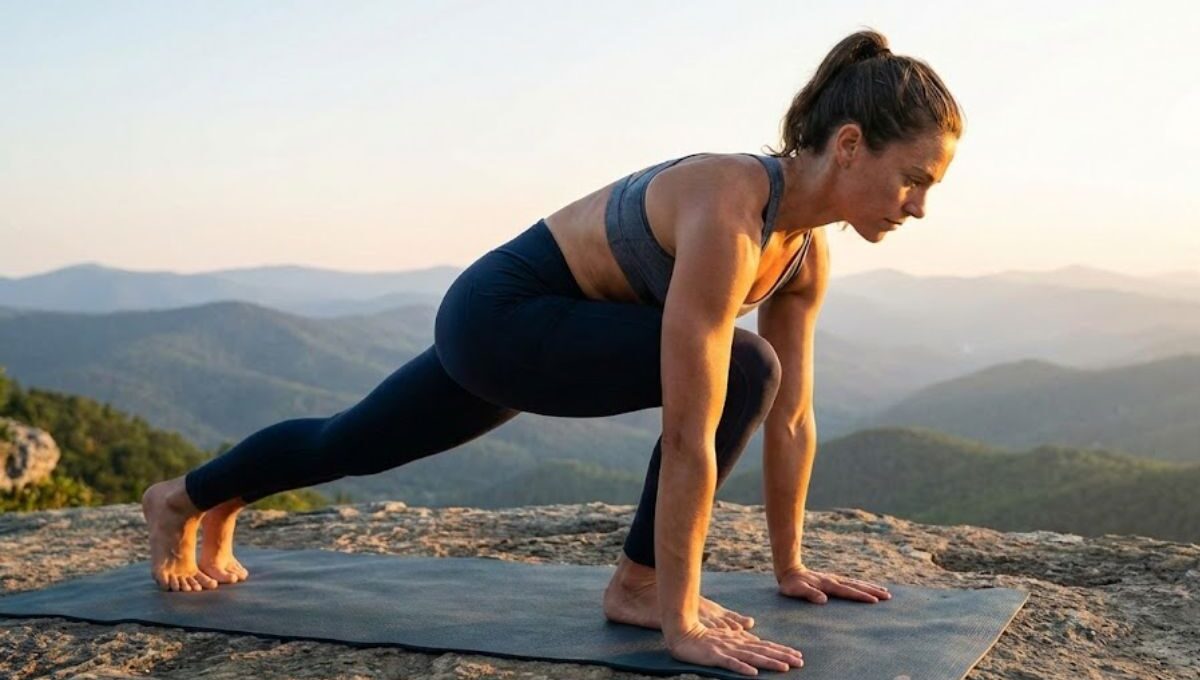
Introduction to Yoga and Bodyweight Training
Combining yoga and bodyweight training creates a powerful, well-rounded fitness approach that develops strength, flexibility, endurance, balance, and mental focus at the same time. While traditional gym workouts often focus mainly on muscle building, integrating yoga adds mobility, joint health, and mind-body awareness — all essential for long-term fitness and injury prevention.
Both methods rely on using your own body as resistance, making them accessible, cost-effective, and adaptable for all fitness levels. Whether your goal is to build muscle, improve posture, lose fat, or simply feel more energetic, combining these two disciplines provides a balanced path to total wellness.
What Is Yoga?
Yoga is an ancient practice that originated in India thousands of years ago, combining physical postures (asanas), breathing techniques (pranayama), and mindfulness to improve both physical and mental health. Unlike many forms of exercise that focus only on muscles, yoga works on the entire system — including the nervous system, respiratory system, and mental state.
Modern yoga styles vary from gentle stretching sessions to physically demanding flows that build significant strength and endurance. Regardless of style, yoga emphasizes:
- Controlled breathing
- Body awareness
- Flexibility and mobility
- Balance and coordination
- Relaxation and stress reduction
Regular yoga practice can improve posture, reduce muscle tension, enhance circulation, and promote recovery after intense workouts. It also helps calm the mind, which is particularly beneficial for people dealing with daily stress or mental fatigue.
What Is Bodyweight Training?
Bodyweight training is a form of strength exercise that uses your own body mass as resistance instead of external weights like dumbbells or machines. Common bodyweight exercises include push-ups, squats, lunges, planks, pull-ups, and dips.
This training style focuses on functional movement patterns, meaning exercises that mimic real-life movements and improve everyday strength. It develops not only muscles but also coordination, stability, and control.
Key characteristics of bodyweight training include:
- No equipment or minimal equipment required
- Scalable difficulty levels for beginners to advanced athletes
- Focus on core strength and stability
- Improved joint health and mobility
- Enhanced muscular endurance and coordination
Bodyweight training is highly effective because it trains multiple muscle groups simultaneously, improving how the body works as a connected system rather than isolated parts.
Why Combine Both for Fitness?
Yoga and bodyweight training complement each other perfectly because they address different aspects of physical fitness.
Bodyweight exercises primarily build:
- Strength
- Muscle endurance
- Power
- Stability
Yoga primarily improves:
- Flexibility
- Mobility
- Balance
- Recovery
- Mental focus
When combined, they create a complete fitness program that enhances performance while reducing injury risk. For example, stronger muscles from bodyweight training make yoga poses easier, while increased flexibility from yoga improves movement quality during strength exercises.
This combination also prevents workout boredom, keeps training enjoyable, and supports long-term consistency — one of the most important factors for fitness success.
Benefits of Combining Yoga and Bodyweight Exercises
Integrating yoga with bodyweight strength training produces benefits that go beyond what either method can achieve alone. The combination improves not only physical performance but also mental well-being and recovery capacity.
Improved Functional Strength
Functional strength refers to the ability to perform everyday movements efficiently and safely. Bodyweight exercises like squats, push-ups, and lunges train muscles in coordinated patterns, while yoga strengthens stabilizing muscles through controlled holds and transitions.
Together, they help develop:
- Core strength
- Joint stability
- Muscle coordination
- Real-world movement efficiency
This type of strength improves posture, reduces fatigue during daily tasks, and enhances athletic performance.
Enhanced Flexibility and Mobility
One of the biggest advantages of adding yoga to strength training is improved flexibility and joint mobility. Tight muscles can limit strength performance and increase injury risk. Yoga stretches muscles while also strengthening them through extended ranges of motion.
Benefits include:
- Increased range of motion
- Reduced muscle stiffness
- Better exercise form
- Improved posture
- Easier recovery after workouts
Greater mobility also allows you to perform bodyweight exercises more effectively, leading to better strength gains over time.
Better Balance and Coordination
Both yoga and bodyweight training challenge your balance and coordination, but in different ways. Yoga improves body awareness through slow, controlled movements and static holds, while bodyweight exercises develop coordination through dynamic movement patterns.
Improved balance provides:
- Greater movement control
- Reduced risk of falls and injuries
- Stronger stabilizing muscles
- Improved athletic performance
Balance training also enhances neuromuscular efficiency, meaning your brain and muscles communicate more effectively.
Injury Prevention and Faster Recovery
Muscle imbalances, tightness, and poor mobility are common causes of injuries. Yoga helps correct these issues by stretching tight muscles and strengthening weak areas, while body weight training improves joint stability and muscle resilience.
Recovery benefits include:
- Reduced muscle soreness
- Improved circulation
- Faster tissue repair
- Better joint health
- Lower risk of overuse injuries
Yoga’s breathing techniques also activate the parasympathetic nervous system, helping the body relax and recover more efficiently after intense workouts.
Mental Focus and Stress Reduction
Fitness is not only physical — mental health plays a major role in performance and consistency. Yoga introduces mindfulness and breathing control, which help reduce stress hormones and improve concentration.
Mental benefits include:
- Reduced anxiety and stress
- Improved mood and emotional balance
- Better focus during workouts
- Enhanced motivation and discipline
- Improved sleep quality
Combining physical exertion from bodyweight training with the calming effects of yoga creates a powerful mind-body connection that supports overall wellness.
Key Takeaway
Combining yoga and bodyweight training provides a complete fitness system that develops:
- Strength
- Flexibility
- Balance
- Endurance
- Mental clarity
- Injury resistance
This balanced approach is sustainable, accessible, and highly effective for people of all fitness levels — from beginners to advanced athletes.
Understanding Bodyweight Training Fundamentals
Bodyweight training is one of the most effective and accessible ways to build strength, endurance, and functional fitness using your own body as resistance. Unlike traditional weightlifting, which relies on external loads, bodyweight exercises challenge muscles through movement patterns, leverage, stability, and time under tension.
This training method develops not only muscle strength but also coordination, balance, joint stability, and mobility. Because many exercises involve multiple muscle groups working together, bodyweight training improves how your body functions in real-life movements such as lifting, pushing, pulling, and bending.
Another major advantage is adaptability. Whether you are a beginner or advanced athlete, bodyweight training can be modified to match your fitness level by adjusting angles, tempo, repetitions, or exercise variations.
Progressive Overload Without Equipment
Progressive overload is the principle of gradually increasing training difficulty to stimulate muscle growth and strength improvements. While traditional gym training increases weight, bodyweight training uses alternative methods to create progression.
You can achieve progressive overload without equipment by:
1. Changing Exercise Variations
- Beginner: Knee push-ups
- Intermediate: Standard push-ups
- Advanced: Decline or one-arm push-ups
2. Increasing Repetitions or Sets
Performing more repetitions or adding additional sets increases muscle workload over time.
3. Slowing Down Tempo
Controlling the speed of movement increases time under tension, which enhances muscle activation.
4. Increasing Range of Motion
Deeper squats or elevated push-ups challenge muscles through a larger movement range.
5. Reducing Rest Time
Shorter rest periods increase muscular endurance and cardiovascular demand.
6. Adding Isometric Holds
Holding positions such as planks or wall sits increases muscle tension without movement.
These strategies ensure continued progress even without weights, making bodyweight training highly effective for long-term strength development.
Key Movement Patterns (Push, Pull, Squat, Core)
Effective bodyweight training focuses on fundamental movement patterns that train the entire body efficiently. These patterns mimic natural human movements and help build balanced strength.
Push Movements
Push exercises target the chest, shoulders, and triceps.
Examples:
- Push-ups
- Dips
- Pike push-ups
- Handstand push-ups
These movements improve upper-body strength and shoulder stability.
Pull Movements
Pull exercises strengthen the back, biceps, and grip muscles.
Examples:
- Pull-ups
- Chin-ups
- Inverted rows
- Resistance band rows (if equipment is available)
Pull movements are essential for posture and upper-body balance.
Squat and Lower-Body Movements
These exercises build strength in the legs and hips.
Examples:
- Bodyweight squats
- Lunges
- Step-ups
- Bulgarian split squats
- Glute bridges
Lower-body training improves power, mobility, and daily movement efficiency.
Core Stabilization Movements
Core muscles support posture, balance, and force transfer throughout the body.
Examples:
- Planks
- Side planks
- Mountain climbers
- Leg raises
- Hollow body holds
A strong core enhances performance in both strength exercises and yoga poses.
Importance of Proper Form and Control
Proper technique is critical in bodyweight training because poor form can lead to injuries and reduced effectiveness. Controlled movement ensures that the intended muscles are activated while protecting joints and connective tissues.
Key principles of good form include:
- Maintaining a neutral spine
- Controlling movement speed
- Engaging the core throughout exercises
- Avoiding joint locking or excessive strain
- Breathing properly during movement
Quality is always more important than quantity. Performing fewer repetitions with correct form produces better results than many repetitions with poor technique.
Controlled movement also improves the mind-muscle connection, helping you become more aware of how your body moves and responds during exercise.
Understanding Yoga Fundamentals
Yoga is a holistic practice that combines physical movement, breathing techniques, and mental awareness to promote overall well-being. While many people associate yoga with flexibility, it also builds strength, improves posture, enhances balance, and supports mental health.
Yoga works by synchronizing breath with movement, which improves oxygen delivery, nervous system regulation, and relaxation. It also encourages mindfulness — being fully present in the moment — which reduces stress and enhances mental clarity.
Unlike high-intensity workouts that activate the body’s stress response, yoga often stimulates the parasympathetic nervous system, promoting recovery and relaxation.
Breath Control and Relaxation Techniques
Breathing plays a central role in yoga practice. Controlled breathing, known as pranayama, improves lung capacity, oxygen delivery, and nervous system balance.
Common breathing techniques include:
Diaphragmatic Breathing (Deep Belly Breathing)
- Promotes relaxation
- Reduces stress and anxiety
- Improves oxygen exchange
Ujjayi Breathing (Victorious Breath)
- Used during flowing yoga sequences
- Helps maintain rhythm and focus
- Generates internal heat
Box Breathing
- Equal inhale, hold, exhale, hold pattern
- Improves concentration and calmness
Breathing techniques help regulate heart rate, reduce cortisol levels, and support recovery after physical training. Learning to control breath also improves endurance and performance during bodyweight exercises.
Mind-Body Connection
One of yoga’s most powerful benefits is the development of the mind-body connection — the awareness of how your body moves, feels, and responds.
This connection provides several advantages:
- Better movement control
- Improved posture and alignment
- Reduced injury risk
- Greater focus during workouts
- Enhanced relaxation and stress management
Mindfulness also improves exercise consistency because individuals become more aware of their progress and physical sensations. Over time, this awareness enhances both physical performance and emotional well-being.
Basic Yoga Postures for Beginners
Beginners can start with foundational yoga poses that build strength, flexibility, and balance simultaneously. These poses also complement bodyweight training by improving mobility and recovery.
Mountain Pose (Tadasana)
- Improves posture and body awareness
- Strengthens legs and core
Downward Facing Dog
- Stretches hamstrings, calves, and shoulders
- Strengthens arms and upper body
Cobra Pose
- Strengthens back muscles
- Improves spinal flexibility
Child’s Pose
- Promotes relaxation and recovery
- Gently stretches hips and back
Warrior Poses (Warrior I & II)
- Builds leg strength and balance
- Improves hip mobility
Plank Pose
- Strengthens core, shoulders, and arms
- Enhances stability for bodyweight exercises
These foundational poses create a strong base for more advanced yoga movements and help improve performance in strength training routines.
Key Takeaway
Understanding both bodyweight training and yoga fundamentals allows you to combine them effectively for total-body fitness.
Bodyweight training provides:
- Strength
- Endurance
- Functional movement
Yoga provides:
- Flexibility
- Mobility
- Balance
- Mental relaxation
Together, they create a balanced, sustainable, and highly effective fitness approach for long-term health and performance.
Recovery and Cool-Down Techniques
Recovery is one of the most important yet often overlooked parts of any fitness program, especially when combining yoga and bodyweight training. During workouts, muscles experience stress and small micro-tears. Recovery allows the body to repair these tissues, restore energy levels, and adapt to become stronger and more resilient.
A proper cool-down routine helps transition your body from an active state to a relaxed state, reduces muscle soreness, prevents stiffness, and promotes long-term flexibility and mobility. Integrating yoga-based recovery techniques enhances circulation, supports joint health, and calms the nervous system.
Post-Workout Yoga Stretches
Yoga stretches after training help lengthen muscles that have been contracted during strength exercises. This improves flexibility, reduces tightness, and promotes faster recovery.
Benefits of Post-Workout Stretching
- Reduces muscle soreness and stiffness
- Improves flexibility and range of motion
- Enhances circulation and nutrient delivery to muscles
- Promotes relaxation and stress reduction
- Prevents injury and muscle imbalances
Effective Post-Workout Yoga Stretches
Child’s Pose
Gently stretches the lower back, hips, and shoulders while calming the nervous system.
Downward Facing Dog
Targets hamstrings, calves, shoulders, and spine while improving circulation.
Low Lunge Stretch
Opens hip flexors and quadriceps, which often become tight during bodyweight leg exercises.
Seated Forward Fold
Stretches hamstrings and lower back, improving posterior chain flexibility.
Supine Spinal Twist
Relieves tension in the spine and improves mobility after intense workouts.
Figure-Four Stretch
Targets glutes and hips, helping reduce tightness from squats and lunges.
Holding each stretch for 20–40 seconds with slow breathing allows muscles to relax and lengthen effectively without strain.
Breathing for Recovery
Breathing exercises play a powerful role in recovery by regulating the nervous system and promoting relaxation. After intense exercise, the body remains in a heightened state of activation (sympathetic nervous system). Controlled breathing activates the parasympathetic system, which supports healing and recovery.
Benefits of Recovery Breathing
- Lowers heart rate and blood pressure
- Reduces cortisol (stress hormone) levels
- Improves oxygen delivery to muscles
- Enhances mental calmness and focus
- Promotes faster recovery after training
Effective Breathing Techniques
Deep Diaphragmatic Breathing
Inhale deeply through the nose, allowing the abdomen to expand, then exhale slowly through the mouth. This encourages full oxygen exchange and relaxation.
Box Breathing (4-4-4-4 Method)
Inhale for 4 seconds → hold for 4 seconds → exhale for 4 seconds → hold for 4 seconds.
This technique improves nervous system balance and mental clarity.
Extended Exhale Breathing
Inhale for 4 seconds and exhale for 6–8 seconds. Longer exhalation promotes relaxation and recovery.
Practicing breathing for just 3–5 minutes post-workout can significantly improve recovery and mental calmness.
Rest and Sleep Importance
Rest is when real progress happens. Exercise stimulates muscles, but sleep and recovery build them. Without adequate rest, the body cannot repair tissue effectively, which may lead to fatigue, poor performance, or injury.
Why Sleep Matters for Fitness
During deep sleep:
- Growth hormone is released (supports muscle repair and fat metabolism)
- Muscles rebuild and recover
- Energy stores (glycogen) are replenished
- The nervous system resets
- Cognitive function and mood improve
Recommended Sleep Guidelines
- Adults should aim for 7–9 hours of quality sleep per night
- Maintain a consistent sleep schedule
- Avoid screens before bedtime
- Keep the sleeping environment cool and dark
Active recovery days, such as gentle yoga or walking, also help improve circulation without overloading the body.
Nutrition Tips for Hybrid Training
Combining yoga and bodyweight training increases energy demands on the body. Proper nutrition ensures you have enough fuel for workouts, supports recovery, and helps build strength while maintaining flexibility.
A balanced approach includes:
- Adequate protein for muscle repair
- Carbohydrates for energy
- Healthy fats for hormone balance
- Vitamins and minerals for recovery
- Proper hydration for performance
Pre-Workout Nutrition
Eating before a workout provides the energy needed to perform exercises effectively. Pre-workout meals should focus on easily digestible carbohydrates with moderate protein and minimal heavy fats.
Benefits of Pre-Workout Nutrition
- Increases energy and endurance
- Prevents fatigue and dizziness
- Improves strength and performance
- Protects muscle tissue from breakdown
When to Eat
- 2–3 hours before workout: Full balanced meal
- 30–60 minutes before workout: Light snack
Pre-Workout Food Ideas
- Banana with peanut butter
- Oatmeal with yogurt
- Whole-grain toast with eggs
- Fruit smoothie with protein
- Rice cakes with nut butter
The goal is to provide steady energy without causing digestive discomfort.
Post-Workout Recovery Foods
After training, the body needs nutrients to repair muscle tissue and replenish energy stores. The combination of protein and carbohydrates is essential for optimal recovery.
Benefits of Post-Workout Nutrition
- Stimulates muscle repair and growth
- Restores glycogen (energy) levels
- Reduces muscle soreness
- Improves recovery speed
- Prepares the body for the next workout
Ideal Post-Workout Nutrient Timing
Eating within 30–90 minutes after exercise supports faster recovery, though total daily nutrition remains most important.
Post-Workout Food Ideas
- Grilled chicken with rice and vegetables
- Eggs with whole-grain toast
- Greek yogurt with fruit
- Protein smoothie with banana
- Lentils with quinoa or brown rice
Protein intake of about 20–30 grams after workouts is generally effective for muscle repair.
Hydration Guidelines
Hydration is essential for both strength performance and flexibility. Even mild dehydration can reduce strength, endurance, focus, and recovery capacity.
Benefits of Proper Hydration
- Maintains energy levels
- Supports muscle contractions
- Prevents cramps and fatigue
- Regulates body temperature
- Improves joint lubrication
Daily Hydration Recommendations
- About 2–3 liters of water per day for most adults
- Additional fluids during intense workouts or hot weather
- Drink before, during, and after exercise
Signs You Need More Hydration
- Dark yellow urine
- Fatigue or dizziness
- Muscle cramps
- Dry mouth
- Headaches
For longer or intense sessions, adding electrolytes (sodium, potassium, magnesium) can help maintain fluid balance.
Key Takeaway
Recovery and nutrition are just as important as training itself when combining yoga and bodyweight workouts.
For best results:
- Stretch and cool down after workouts
- Practice breathing for nervous system recovery
- Prioritize quality sleep and rest days
- Eat balanced pre- and post-workout meals
- Stay consistently hydrated
When training, recovery, and nutrition work together, the body becomes stronger, more flexible, and more resilient over time.
Common Mistakes to Avoid
When combining yoga and bodyweight training, many people make mistakes that can slow progress, increase injury risk, or reduce motivation. Understanding these common errors helps you train smarter and achieve better long-term results.
Overtraining Without Recovery
One of the most frequent mistakes is doing too much without allowing the body enough time to recover. Because yoga and bodyweight training can both feel less intense than heavy gym workouts, people often underestimate how much stress they place on muscles and joints.
Signs of Overtraining
- Persistent muscle soreness
- Fatigue or low energy
- Decreased performance
- Poor sleep quality
- Increased injury risk
- Lack of motivation
Recovery is when muscles repair and grow stronger. Without adequate rest, progress slows and the risk of burnout increases.
How to Avoid Overtraining
- Schedule at least 1–2 rest or active recovery days per week
- Alternate between intense and light sessions
- Prioritize sleep and nutrition
- Listen to your body’s warning signs
Remember: More is not always better — smarter training is better.
Poor Exercise Form
Incorrect technique reduces effectiveness and increases the risk of injury. This applies to both bodyweight exercises and yoga poses. Many beginners rush through movements or focus on repetitions instead of quality.
Common Form Mistakes
- Collapsing shoulders during push-ups or planks
- Rounding the back during squats
- Holding breath instead of breathing naturally
- Overstretching in yoga poses
- Misaligned knees or hips
How to Improve Form
- Start with beginner variations
- Move slowly and with control
- Use mirrors or record yourself
- Focus on muscle engagement rather than speed
- Learn proper alignment cues
Quality movement creates better strength gains and safer progress.
Skipping Mobility Work
Mobility training is essential for joint health, flexibility, and movement efficiency. Many people focus only on strength exercises and ignore stretching or mobility work, which can lead to tight muscles and restricted movement.
Consequences of Poor Mobility
- Reduced range of motion
- Poor posture
- Increased injury risk
- Muscle imbalances
- Limited strength progress
How to Include Mobility
- Add 5–10 minutes of mobility before workouts
- Include yoga sessions during the week
- Stretch after training
- Focus on hips, shoulders, and spine mobility
Mobility improves performance and allows muscles to work more efficiently.
Frequently Asked Questions
Can Beginners Combine Yoga and Strength Training?
Yes, beginners can absolutely combine yoga and bodyweight training. In fact, this combination is ideal for newcomers because it builds strength while improving flexibility and body awareness at the same time.
Beginners should:
- Start with basic exercises and poses
- Train 3–4 days per week initially
- Focus on proper form rather than intensity
- Gradually increase difficulty
This balanced approach helps develop a strong foundation and reduces injury risk.
How Often Should I Train?
Training frequency depends on your fitness level and goals.
General recommendations:
- Beginners: 3–4 days per week
- Intermediate: 4–5 days per week
- Advanced: 5–6 days per week
You can alternate between:
- Strength-focused days
- Yoga or mobility days
- Combined hybrid sessions
Rest days are essential for recovery and progress.
Do I Need Equipment?
No equipment is required to start. Bodyweight training uses your own body as resistance, and yoga typically requires only a mat or comfortable surface.
Optional equipment that can enhance workouts includes:
- Yoga mat
- Resistance bands
- Pull-up bar
- Yoga blocks or straps
However, effective workouts can be done with minimal or no equipment.
How Soon Will I See Results
Results vary depending on consistency, nutrition, sleep, and training intensity, but many people notice improvements quickly.
Typical timeline:
- 2–3 weeks: Improved energy and flexibility
- 4–6 weeks: Increased strength and endurance
- 8–12 weeks: Visible muscle tone and mobility gains
- 3–6 months: Significant body composition and performance changes
Consistency matters more than perfection. Small improvements over time lead to major long-term results.
Conclusion: Building a Balanced Fitness Lifestyle
Combining yoga and bodyweight training creates a comprehensive fitness approach that supports both physical and mental well-being. This combination develops strength, flexibility, endurance, balance, and mindfulness — all essential components of long-term health.
Unlike extreme or unsustainable fitness programs, hybrid training encourages a balanced lifestyle that can be maintained for years.
Long-Term Physical Benefits
Consistent practice provides numerous physical advantages:
- Increased muscle strength and endurance
- Improved flexibility and mobility
- Better posture and joint health
- Reduced injury risk
- Enhanced cardiovascular health
- Improved body composition
These benefits support daily activities, athletic performance, and healthy aging.
Mental Wellness and Consistency
Mental health plays a major role in fitness success. Yoga introduces mindfulness and relaxation, while strength training builds confidence and resilience.
Mental benefits include:
- Reduced stress and anxiety
- Improved mood and focus
- Better sleep quality
- Increased self-discipline
- Greater motivation
Enjoyable workouts increase consistency, which is the most important factor in achieving lasting results.
Creating Sustainable Habits
Sustainable fitness habits are built through realistic routines and gradual progress. Instead of chasing quick results, focus on long-term consistency.
Tips for sustainability:
- Set achievable goals
- Create a weekly schedule
- Track progress
- Celebrate small improvements
- Listen to your body
- Maintain variety in workouts
Fitness should become part of your lifestyle, not a temporary challenge.
Bonus Section
Printable Weekly Workout Plan
Sample Weekly Hybrid Plan
Day 1: Upper Body Strength + Short Yoga Stretch
Day 2: Lower Body Strength + Mobility
Day 3: Yoga Flow and Core Training
Day 4: Rest or Active Recovery
Day 5: Full Body Bodyweight Workout
Day 6: Yoga Flexibility and Balance
Day 7: Rest and Relaxation
This structure balances strength, flexibility, and recovery throughout the week.
Yoga Pose Guide for Strength
Some yoga poses build significant strength alongside flexibility:
- Plank Pose — Core and shoulders
- Chaturanga — Arms and chest
- Warrior II — Legs and hips
- Chair Pose — Lower body strength
- Boat Pose — Core stability
- Side Plank — Obliques and shoulder strength
Holding poses longer increases muscular endurance and stability.
30-Day Hybrid Fitness Challenge
A 30-day challenge helps build consistency and motivation.
Weekly Progression Example
Week 1: Basic movements and beginner yoga
Week 2: Increased repetitions and longer holds
Week 3: Intermediate exercises and flows
Week 4: Full hybrid workouts with higher intensity
Example Daily Structure
- 5–10 minutes warm-up
- 20 minutes bodyweight training
- 10–15 minutes yoga flow
- 5 minutes breathing and relaxation
By the end of 30 days, most people experience:
- Improved strength
- Better flexibility
- Increased energy
- Enhanced confidence
- Stronger mind-body connection
Final Takeaway
Combining yoga and bodyweight training is one of the most effective ways to build a strong, flexible, and resilient body while supporting mental wellness.
Success comes from:
- Consistent training
- Proper recovery
- Balanced nutrition
- Sustainable habits
Small daily efforts lead to powerful long-term transformation.