 By Daily Fitness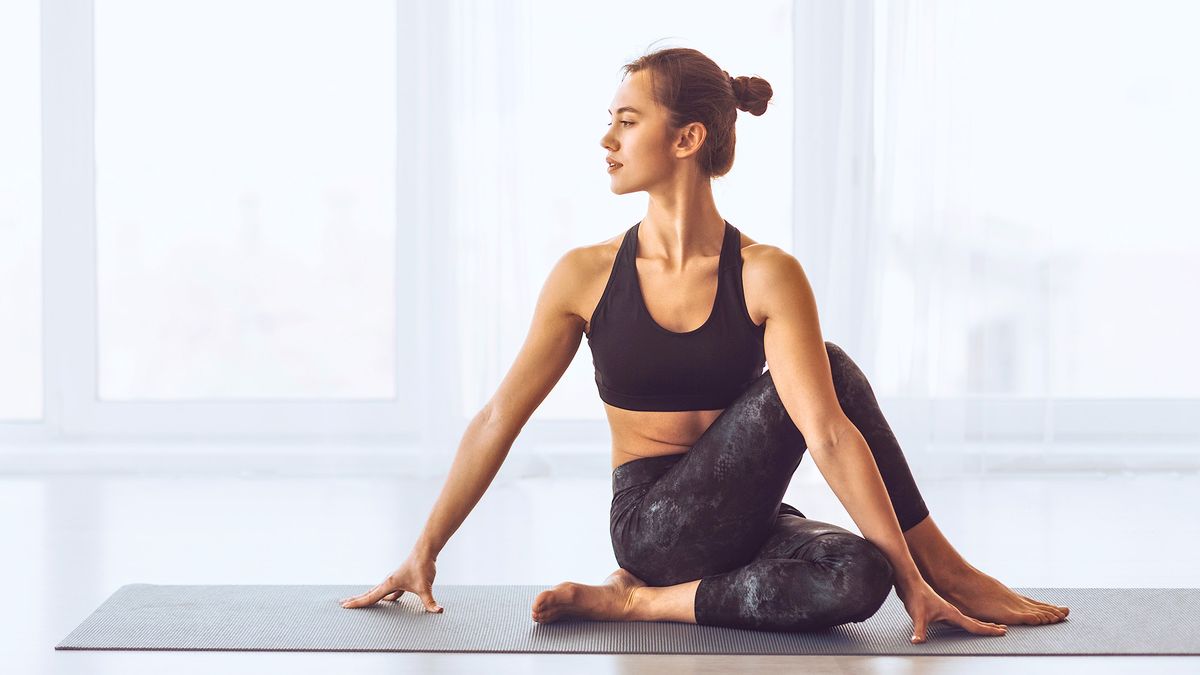
Introduction: The Gentle Path to a Supple Body
Welcome. If you are holding this book, you are likely searching for a way to move through life with greater ease. Perhaps you’ve noticed your body doesn’t bend the way it used to. Maybe your lower back aches after a long day at the desk, or your shoulders feel perpetually tight. You might have tried other fitness routines that left you feeling sore, defeated, or even injured. You are here because you are ready for a different approach.
This book is an invitation to stop forcing your body to change and start listening to it instead. It is an invitation to the gentle path.
The word “gentle” is often misunderstood. In a world that glorifies intensity, “no pain, no gain,” and pushing to the absolute limit, gentle can sound weak or ineffective. But in the context of the body, gentle is powerful. Gentle is smart. Gentle is sustainable.
This introduction will lay the groundwork for your entire 4-week journey. We will explore why a gentle approach is actually the fastest route to a more flexible and mobile body, clarify exactly what we mean by the terms “flexibility” and “mobility,” and show you exactly how to use this guide to build a practice that fits seamlessly into your life.
Why “Gentle” Works: The Science of Releasing, Not Forcing
To understand why gentle works, we have to understand how our body’s protective systems operate. Deep within your muscles and connective tissue are specialized sensors called muscle spindles and Golgi tendon organs. Think of them as your body’s built-in security guards.
When you make a fast, jerky movement or force a stretch past its comfort zone—bouncing in a forward fold or yanking yourself deeper into a twist—the muscle spindles sound the alarm. They perceive this aggressive stretch as a threat to the muscle’s integrity. Their immediate response is to contract the muscle to protect it from tearing. This reflex is called the stretch reflex.
So, when you force a stretch, you are actually fighting against yourself. The muscle you are trying to lengthen is being instructed by your nervous system to tighten up. This not only limits your progress but also significantly increases your risk of a pull or tear. It’s a battle of will versus biology, and biology always wins.
A gentle practice, however, works with your nervous system, not against it. By moving slowly and holding postures without strain, you bypass the alarm system. You send a different message to the brain: “I am safe. I am in control. There is no need for protection.”
When you hold a gentle stretch for a longer period, you begin to engage the second security guard: the Golgi tendon organ. Located near the tendon, its job is to monitor tension. When it senses a sustained, non-threatening tension (like the gentle pull of a held yoga pose), it overrides the muscle spindle’s contraction signal and tells the muscle to relax. This is the autogenic inhibition reflex. It’s the physiological basis of “releasing, not forcing.”
The gentle path is not about achieving a perfect, Instagram-worthy split. It is about retraining your nervous system to feel safe, allowing your muscles and fascia to let go of chronic tension and return to their natural, healthy length.
Defining the Terms: Flexibility vs. Mobility (and Why You Need Both)
On your journey to a supple body, it is crucial to know your destination. The words “flexibility” and “mobility” are often used interchangeably, but they describe two very different qualities. Understanding the difference is the key to unlocking real, functional freedom of movement.
- Flexibility is a passive concept. It refers to the ability of a muscle to temporarily lengthen. A classic test of flexibility is sitting on the floor with your legs straight and reaching for your toes. How far can you go? That distance is a measure of your flexibility, or the extensibility of your hamstrings. It’s a snapshot of a muscle’s potential length. You can have flexible hamstrings, but that doesn’t necessarily mean you can use that length effectively while standing or moving.
- Mobility, on the other hand, is an active concept. It is your ability to move a joint through its full range of motion with control and strength. Mobility is flexibility plus strength. It’s not just about how far your hamstring can stretch; it’s about how far you can actively move your leg while maintaining stability in the joint. A lack of mobility is often what makes us feel stiff in daily life. You might have the flexibility to touch your toes, but if you lack the core and hip strength to control that movement, you’re more likely to strain your back when picking up a laundry basket.
How to Use This Guide & The 4-Week Outline
This book is designed as a practical, step-by-step companion. It is not meant to be read cover-to-cover in one sitting and then placed on a shelf. It is meant to be kept by your mat, dog-eared and sweat-stained, as a tool for your daily practice.
Here is how to get the most out of it:
- Start with the Foundation: Before jumping into the physical practices, please read Part 1. It contains vital information on breathing and using props that will ensure you practice safely and effectively. These first chapters are the “instruction manual” for your body.
- Use the Pose Library as Your Reference: When you encounter a pose in the weekly practices that feels unfamiliar, flip to Part 3: The Pose Library. Here you will find detailed instructions, key alignment points, and, most importantly, modifications. Every pose can be adapted to fit your body.
- Follow the 4-Week Progressive Plan (Part 2): This is the heart of the journey. Each week builds upon the last, gently introducing new areas of the body and new concepts. Do not skip ahead. Trust the process.
- Week 1 focuses on the two areas that hold the most tension for modern humans: the spine and the hips. You will learn the foundational movements that will unlock the rest of your body.
- Week 2 moves up to the upper body, releasing the shoulders and chest from the grip of poor posture and stress.
- Week 3 integrates the lower and upper body, with a focus on safely lengthening the hamstrings and connecting your breath to full-body movement.
- Week 4 brings it all together into a beautiful, flowing daily ritual that you can carry with you for a lifetime.
- Listen to Your Needs: The 4-week plan is your curriculum. However, life happens. If you are feeling particularly tired, stressed, or tight one day, feel free to skip to Part 4: Sample Sequences for Every Need. If you only have 5 minutes, there is a sequence for that. If you need to unwind before bed, there is a sequence for that, too. The goal is consistency, not perfection.
Ultimately, this guide is an invitation to a daily conversation with yourself. Some days that conversation will be energetic and flowing. Other days it will be quiet and still. Both are perfect. Both are progress.
Turn the page, take a deep breath, and let us begin the gentle path to a more supple, free, and joyful you.
Part 1: The Foundation of Practice
Before you move your body into a single pose, we must first build the foundation upon which your entire practice will rest. In yoga, the physical postures (asanas) are only one limb of a much larger tree. The roots of that tree are your internal environment—your breath, your awareness, and your intention.
Skipping these foundational principles would be like building a house on sand. You might be able to erect the walls, but the first storm will knock them down. By taking the time to understand your breath, prepare your space, and learn the golden rules of gentle practice, you are creating stable, resilient ground. You are building a practice that will support you, not just for four weeks, but for the rest of your life.
Chapter 1: The Art of Conscious Breathing (Pranayama)
In the West, we often think of breathing as merely an automatic function, an involuntary exchange of oxygen and carbon dioxide. In the yogic tradition, however, breath is much more. It is Prana—the vital life force, the universal energy that flows through all things. The practice of consciously controlling this energy is called Pranayama.
For your gentle yoga practice, you don’t need to master complex breathing techniques. You need to learn how to use your breath as a tool. Think of your breath as the gentle current of a river, and your body as a boat on that river. If you fight the current, you will exhaust yourself and go nowhere. If you learn to flow with it, the river itself will carry you effortlessly downstream.
Your breath is the single most important element of your practice. It is the guide that tells your nervous system whether you are in a state of stress or safety, and it is the vehicle that will carry you deeper into every pose.
Diaphragmatic Breathing (Belly Breathing)
Most adults are shallow chest breathers. Due to stress, poor posture, and the constant demands of modern life, our breath becomes short and high in the chest. This pattern signals “danger” to the nervous system, keeping us in a low-grade state of fight-or-flight. The primary muscle of respiration, the diaphragm, becomes weak and underused.
Diaphragmatic breathing, commonly known as belly breathing, is the antidote. It is the foundation of all yogic breath work and the quickest way to shift your body from a stressed state (sympathetic nervous system) to a relaxed, healing state (parasympathetic nervous system). This is often called the “relaxation response.”
How to Practice Diaphragmatic Breathing:
- Find Your Setup: Lie on your back on your mat. Bend your knees and place your feet flat on the floor, hip-width apart. This is known as Constructive Rest Pose. You can place a thin pillow or folded blanket under your head if needed. Close your eyes.
- Place Your Hands: Gently place one hand on your lower belly, just below your navel, and the other hand on your upper chest.
- Inhale: Begin to breathe in slowly and gently through your nose. Direct the breath all the way down into your belly. Feel your lower hand rise like a balloon gently inflating. Your upper hand on your chest should remain relatively still. There should be no lifting of the shoulders or tension in the neck.
- Exhale: Without any force, simply allow the breath to release through your nose. Feel your lower hand sink back down toward the floor as the belly naturally falls. The exhale should feel like a gentle sigh of relief.
- Repeat: Continue this for 5-10 minutes. With each inhale, imagine spreading your lower ribs wide like an umbrella. With each exhale, imagine softening and melting deeper into the floor beneath you.
Practice this daily, even if just for a few minutes. It is the ultimate reset button for your nervous system and the first step in every pose you will hold.
Ocean Breath (Ujjayi) for Movement
If Diaphragmatic Breathing is the foundation, Ujjayi Pranayama (pronounced oo-JAI-ee) is the vehicle for movement. Often called “Victorious Breath” or “Ocean Breath,” it is characterized by a soft, audible sound in the back of the throat, reminiscent of the sound of ocean waves or the gentle hiss of Darth Vader.
This sound serves two vital purposes. First, it creates a rhythmic focal point for your mind, giving you something to listen to and follow, which is inherently meditative. Second, it allows you to match the duration and intensity of your movement to the duration and intensity of your breath. In gentle yoga, the movement is always guided by the breath. The breath leads; the body follows.
How to Practice Ujjayi Breath:
- Start Seated: Find a comfortable seated position, either on a blanket or in a chair, with your spine long.
- Find the Ocean Sound: Take a normal inhale. On your exhale, try breathing out through your mouth as if you were trying to fog up a mirror or a pair of glasses. Feel the constriction in the back of your throat? That’s the sensation you are looking for.
- Close the Mouth: Now, keep that same constricted sensation in your throat, but close your mouth and breathe in and out through your nose.
- Listen: You should hear a soft, whispering, hissing sound on both the inhale and the exhale. If you can’t hear it, go back to fogging the mirror and try again. It takes practice.
- Refine: The breath should be steady, smooth, and even. There should be no jerks or pauses. The inhale and exhale should be equal in length and intensity. Think of it as creating a seamless circle of breath.
During your physical practice, you will initiate each movement with an inhale or an exhale. For example, you might inhale to lift your arms, and exhale to fold forward. The Ujjayi breath gives you a rhythm to follow and keeps your mind anchored in the present moment.
Breathing Through Discomfort
There will be moments in your practice where you encounter an edge—a point of significant sensation where the body feels challenged. The natural, instinctive reaction to this sensation is to hold your breath. The body clenches, the jaw tightens, and the breath stops. This is the exact opposite of what we want.
Holding your breath is a fear response. It signals to the muscles that there is danger, which triggers the stretch reflex we discussed in the introduction, causing them to contract and tighten further. You become trapped in a cycle of tension.
Breathing through discomfort is the most profound skill you will learn in this practice. It is the ultimate act of releasing, not forcing.
How to Breathe Through the “Edge”:
- Acknowledge: When you feel a strong sensation in a pose, don’t immediately panic and bolt out of it. Pause. Acknowledge the sensation without judgment. Name it: “This is a strong pull in my hamstring.”
- Soften the Face: The face is a roadmap of the nervous system. If your jaw, eyes, or tongue are tight, your whole body will be tight. Consciously soften your forehead, unclench your jaw, and relax your tongue from the roof of your mouth.
- Lengthen the Exhale: On your next exhale, make it a little longer and slower than your inhale. The exhale is the primary vehicle for relaxation. It is the signal for the muscles to let go.
- Send the Breath: Imagine you can direct your breath right to the spot of sensation. Inhale into the tightness. Exhale and imagine the tension dissolving, melting like ice under a warm sun.
- Stay or Go: After a few conscious breaths, reassess. Has the sensation softened? Has your body relaxed into the pose? If so, you have successfully breathed through the discomfort. If the sensation has become sharp or is intensifying, you may be at your edge. You can back off slightly, or you can come out of the pose. This is not failure; this is wisdom.
Chapter 2: Setting Up Your Space
The environment in which you practice has a profound impact on the quality of your practice. You don’t need a dedicated yoga studio or a room full of expensive equipment. You simply need a small area that you can claim as your own and a few simple tools that will support your body.
Essential Props (Mat, Blocks, Blanket, Strap)
- The Yoga Mat: This is your foundation. It provides cushioning for your joints and, more importantly, prevents your hands and feet from slipping. A standard sticky mat is perfect. If you have sensitive knees, look for a slightly thicker mat.
- Two Yoga Blocks: Blocks are incredibly versatile. They act as an extension of your arms, bringing the floor closer to you. If you can’t reach the floor in a standing forward fold or a triangle pose, you place your hands on a block. They provide stability and allow you to maintain a long spine instead of rounding your back in compensation. Cork blocks are heavier and more stable, while foam blocks are lighter and softer.
- A Yoga Strap (or Belt): A strap bridges the gap between your flexibility and your reach. If you can’t comfortably hold your foot in a reclined hamstring stretch, you loop a strap around your foot and hold the strap. This allows you to maintain the integrity of the pose without over-taxing your shoulders or rounding your spine. A belt or a long towel works perfectly as a substitute.
- A Blanket: A simple blanket is one of the most important props you will own. It is for comfort and support. Fold it and sit on it to elevate your hips in seated poses, which helps keep your spine long. Roll it up and place it under your knees in Savasana to relieve lower back tension. Use it to cover yourself for warmth during final relaxation.
Creating a Calm Atmosphere
Your physical space sets the tone for your mental space. Creating a calm atmosphere doesn’t require a renovation; it requires intention.
- Dedicate a Corner: You don’t need a whole room. Find a corner where you can roll out your mat and leave it, if possible. This physical act of claiming a space reinforces your commitment to your practice.
- Declutter: A cluttered space creates a cluttered mind. Before you begin, take a moment to tidy the immediate area around your mat. Put away stray items.
- Control the Light: Soft, dim lighting is ideal for a gentle practice. If you practice in the evening, turn off harsh overhead lights. If you practice in the morning, facing the sun can be wonderfully energizing.
- Invite the Senses:
- Scent: A single drop of lavender on a cotton ball placed near your mat, or a candle burning safely in the room, can signal to your brain that it is time to unwind.
- Sound: Consider playing soft, instrumental music or nature sounds. Even more powerful is the use of silence. Silence allows you to tune into the internal sound of your own breath.
- Temperature: Ensure the room is a comfortable temperature. If you tend to get cold as you relax, have a extra blanket or socks nearby.
Your space should feel like a sanctuary—a place where you can step away from the demands of the world and turn your attention inward, even for just ten minutes.
Chapter 3: The Golden Rules of Gentle Yoga
These are the non-negotiable principles that will guide your practice. Commit them to memory. When in doubt, come back to these rules.
Listening to Your Edge
In yoga, we often talk about finding your “edge.” Your edge is not the point of pain. It is the place where you feel a significant, honest sensation—a strong pull, a deep stretch—but you are still able to breathe calmly and steadily. It is the boundary between your comfort zone and the “danger zone.”
The edge is not a fixed line. It changes every single day based on how you slept, what you ate, your stress levels, and the time of day. Yesterday you might have been able to fold deeply; today your edge might be much closer.
Listening to your edge means practicing with sensitivity and honesty. It means approaching that boundary with curiosity, not aggression. You gently nudge up against it, breathe, and see if it softens. If it does, you might move a fraction of an inch deeper. If it doesn’t, you stay there, or you back off. You are always in control. You are the one deciding where your edge is, and you honor it completely.
The Difference Between Sensation and Pain
This is perhaps the most important distinction you will learn. Confusing the two is the primary cause of injury in yoga.
- Good Sensation (The “Edge”): Feels like a “good hurt.” It might be an intense stretch, a feeling of lengthening, a slight trembling in the muscles, or a feeling of “working.” It is often described as a “hot” or “burning” sensation in the belly of the muscle. Most importantly, it is something you can breathe with. It feels challenging but manageable. It leaves you feeling open and energized after the pose.
- Pain (The Warning Sign): Is sharp, stabbing, shooting, or searing. It might feel like an electric shock or a pinching sensation in a joint (like the knee, hip, or lower back). It is an unmistakable signal that something is wrong. It does not soften with your breath; it intensifies. If you feel pain, you must stop immediately. Do not try to breathe through it. Carefully and mindfully come out of the pose.
A good rule of thumb: If it makes you wince, hold your breath, or clench your jaw, you have gone past your edge and into pain. Back off. There is zero shame in modifying a pose or skipping it altogether. An intelligent practice is one where you come home to your body feeling better than when you started.
The Power of Daily Consistency
You will not become significantly more flexible or mobile by practicing for two hours once a week. The magic of this work lies in its frequency, not its duration. This is why this book is centered on a daily practice.
Think of your body like a piece of clay. If you take a dry piece of clay and try to bend it sharply once a week, it will crack and break. But if you warm it up with your hands a little bit every day, kneading it gently, it becomes soft, pliable, and easy to mold.
Five to ten minutes of gentle movement every single day is infinitely more powerful than one hour-long session a week. Daily practice sends a consistent, repeated message to your nervous system: “This is our new normal. It is safe to let go of this tension.” It gradually retrains your muscle memory and rehydrates your fascia, leading to lasting, sustainable change.
Consistency is also about showing up for yourself. It is a daily act of self-care and self-respect. Some days you will feel like a superhero; other days you will feel stiff and tired. On those “off” days, your practice might just consist of 5 minutes of Diaphragmatic Breathing in Child’s Pose. That counts. That is still practice. The power lies in the commitment to unroll your mat and show up, exactly as you are, every single day.
Part 2: The Practices (4-Week Progressive Plan)
Welcome to the heart of your journey. Over the next four weeks, you will build a sustainable, deeply nourishing daily yoga practice. This plan is designed as a gentle progression. We will not rush. We will not force. Instead, we will systematically explore the body’s major areas of tension, layer by layer, day by day, until by the end of the month, you are moving with a newfound sense of freedom and ease.
Each week has a specific focus, and each day within that week builds upon the last. The sequences are designed to be short enough to fit into a busy life—most are between 10 and 20 minutes—but powerful enough to create real, noticeable change. The most important instruction is to listen to your body. Some days you will follow the sequence exactly. Other days, you might stay in Child’s Pose for the entire time, breathing. Both are perfect. Both are your practice.
Week 1: Awakening the Spine & Unlocking the Hips
Focus: Foundational mobility for the two largest areas of the body.
Daily Theme: Greeting the day with spinal waves and gentle hip circles.
The spine is the central axis of your body. It houses the spinal cord, the superhighway of nerves that communicate with every organ and muscle. The hips are the body’s center of gravity and storehouses for stress and emotional tension. When the spine is stiff and the hips are tight, every movement you make is compromised.
This week, we focus on bringing gentle, conscious movement back to these foundational areas. We will oil the joints of the spine, encouraging them to move in all six directions: forward bending, back bending, side bending, and twisting. We will circle and release the hips, letting go of the physical and emotional weight they carry. By the end of this week, you should feel a new fluidity in your walk and a sense of space in your lower back.
1: Spinal Waves
- Focus: Introducing Cat-Cow and pelvic tilts to lubricate the spine.
- Practice (12 minutes):
- Begin in a comfortable seat. 2 minutes of Diaphragmatic Breathing to center.
- Come to hands and knees (Tabletop Pose). Walk your hands a little forward of your shoulders and spread your fingers wide.
- Pelvic Tilts: For 2 minutes, simply practice tilting your pelvis. Inhale, tuck your tailbone under and round your lower back like an angry cat. Exhale, release the tilt, letting your belly soften. Small, isolated movements.
- Cat-Cow: Link the pelvic tilt with your spine and head. Inhale, drop your belly, lift your sitting bones and chest, gaze gently up (Cow Pose). Exhale, round your spine, tuck your chin to chest, draw your navel in (Cat Pose). 5 minutes of slow, conscious waves.
- Rest in Child’s Pose for 3 minutes, breathing into the back body.
2: Gentle Hip Circles
- Focus: Releasing the external rotators of the hips.
- Practice (12 minutes):
- Seated on a blanket in Easy Pose (Sukhasana). Sit for 2 minutes, simply noticing the sensations in your hips. Breathe into any tightness.
- Come to Tabletop. Knee Circles: On an inhale, draw your right knee forward, circle it out to the side, and back. Make small, lazy circles. 1 minute clockwise, 1 minute counter-clockwise. Repeat on the left.
- Happy Baby Pose (Ananda Balasana): Lie on your back. Draw your knees into your chest, then grab the outsides of your feet. Gently rock side to side, massaging your lower back. Stay for 3 minutes.
- Supine Spinal Twist: Hug your right knee into your chest, then guide it across your body to the left. Extend your right arm out. Stay for 2 minutes on each side.
- Final relaxation in Constructive Rest Pose for 2 minutes.
3: Combining Spine and Hips
- Focus: Coordinating breath with movement that connects both areas.
- Practice (15 minutes):
- Child’s Pose for 2 minutes, focusing on Ujjayi breath.
- Cat-Cow flow for 3 minutes.
- Come to all fours. Thread the Needle: From Tabletop, slide your right arm under your left arm, palm up, bringing your right shoulder and temple to the mat. Feel the twist and stretch in your upper back and hips. Hold for 5 slow breaths. Repeat on the other side.
- Transition to lying on your back. Knees-to-Chest (Apanasana): Hug both knees in and make small circles with your knees, 1 minute each direction.
- Happy Baby for 2 minutes.
- Savasana (Corpse Pose) for 3 minutes.
4: Seated Mobility
- Focus: Exploring hip and spine mobility from a seated position.
- Practice (15 minutes):
- Sit in a comfortable cross-legged position (Sukhasana). If your hips are tight, sit on a folded blanket. 2 minutes of stillness.
- Seated Cat-Cow: Place your hands on your knees. Inhale, arch your spine, open your chest, gently push your knees down. Exhale, round your spine, draw your navel in. 3 minutes.
- Seated Spinal Twists: Inhale to lengthen your spine. Exhale, gently twist to the right, placing your left hand on your right knee and your right fingertips on the floor behind you. Hold for 5 breaths. Repeat on the left. Do this 3 times each side.
- Butterfly Pose (Baddha Konasana): Bring the soles of your feet together. Hold your feet or ankles. Inhale to lengthen. Exhale, gently fold forward from the hips, keeping your spine long. Do not force your knees down. Stay for 3 minutes, breathing.
- Lie back for a 3-minute Savasana.
5: Hip Openers
- Focus: Deeper hip release with gentle lunges.
- Practice (18 minutes):
- Start in Child’s Pose for 2 minutes.
- Come to hands and knees. Step your right foot forward between your hands into a Low Lunge. Keep your back knee down. Place hands on blocks or your thigh. Sink the hips forward gently. Hold for 1 minute. Repeat on the left. Do this twice on each side.
- From Tabletop, bring your right knee forward toward your right wrist, and slide your left leg back. This is Pigeon Prep (or Half Pigeon). Support your right hip with a blanket if it doesn’t reach the floor. Stay for 2 minutes on each side.
- Lie on your back for Figure-Four Stretch: Cross your right ankle over your left knee, then lift the left foot and thread your hand through the hole. Hold the back of your left thigh and gently pull toward you. 2 minutes each side.
- Savasana for 3 minutes.
6: Fluid Movement
- Focus: Stringing poses together in a gentle, slow flow.
- Practice (15 minutes):
- Child’s Pose to Cat-Cow (3 minutes).
- From Tabletop, tuck your toes and slowly lift your hips into Downward-Facing Dog. Pedal out your feet, bending one knee and then the other. Stay for 5 breaths.
- From Down Dog, step your right foot to the inside of your right hand. Lower your back knee. Low Lunge for 3 breaths. On an inhale, lift your arms and come into a Crescent Lunge (keeping back knee down or lifted). Exhale, hands to mat, step back to Down Dog. Repeat on the left. Flow between Down Dog and both lunges 3 times.
- Come to lying down. Knees-to-Chest, rolling side to side.
- Savasana for 4 minutes.
7: Rest and Integrate
- Focus: A deeply restorative practice to allow the week’s work to settle.
- Practice (20 minutes):
- Begin in Constructive Rest Pose (lying on back, knees bent, feet flat). Place one hand on your belly, one on your heart. 5 minutes of Diaphragmatic Breathing.
- Supported Bridge Pose: Place a block or thick book under your sacrum (the back of your pelvis). Allow your body to completely relax over the support. Stay for 5 minutes.
- Reclined Butterfly: Lie back, bring the soles of your feet together, and let your knees fall open. Place blankets under your knees for support if needed. Stay for 5 minutes.
- Final Savasana: Lie completely flat, arms by your sides, palms up. Scan your body from head to toe, consciously releasing any remaining tension. Stay for 5 minutes.
Week 2: Opening the Shoulders & Chest
Focus: Releasing tension from the upper back and improving posture.
Daily Theme: Counteracting hunching with heart-openers and shoulder rolls.
After a week of waking up the spine and hips, we now turn our attention to the upper body. In our modern world of desks, computers, and smartphones, the shoulders and chest bear a tremendous burden. We round forward, our chests collapse, and our upper backs become tight and hunched. This posture restricts breathing and can lead to chronic neck and shoulder pain.
This week is about reversing that pattern. We will open the front of the chest (the pectoral muscles) and strengthen the muscles of the upper back that have been overstretched and weakened. Think of each pose as a small act of liberation for your heart and lungs.
1: Shoulder Rolls and Circles
- Focus: Warming up the shoulder joints and releasing the trapezius muscles.
- Practice (12 minutes):
- Sit comfortably. 2 minutes of Ujjayi breath, bringing awareness to your shoulders.
- Shoulder Rolls: Inhale, lift your shoulders up toward your ears. Exhale, roll them back and down. 10 times. Reverse direction: lift, roll forward, and down. 10 times.
- Arm Circles: Extend your arms out to a T. Make small circles forward for 1 minute, then backward for 1 minute. Gradually make the circles larger.
- Eagle Arms (Garudasana arms): Bring your arms in front of you. Cross your right arm under your left, bend your elbows, and, if possible, bring your palms or the backs of your hands to touch. Lift your elbows slightly and feel a stretch between your shoulder blades. Hold for 5 breaths. Switch arms.
- Neck Stretches: Gently drop your right ear toward your right shoulder. You may rest your right hand on your head for a gentle weight. Hold for 1 minute. Repeat on the left.
- Close with 3 minutes in Child’s Pose.
2: Chest Openers
- Focus: Stretching the pectoral muscles and front of the shoulders.
- Practice (15 minutes):
- Begin in a seated position. Interlace your fingers behind your back. Straighten your arms if possible, and gently draw your knuckles toward the floor, opening your chest. Stay for 1 minute.
- Come to lying on your belly. Sphinx Pose: Prop yourself up on your forearms, elbows directly under shoulders. Press your pubic bone down and lengthen through your lower back. Stay for 2 minutes, breathing into your chest.
- Low Lunge with a Twist: From Tabletop, step right foot forward. Place your left hand on the floor inside your right foot. Inhale, open your right arm toward the ceiling, stacking your shoulder over your shoulder. Follow your fingertips with your gaze. Hold for 3 breaths. Repeat on the other side. Do this 3 times each side.
- Lie on your back with a rolled blanket or bolster placed lengthwise under your spine, supporting your head and tailbone. Let your arms open wide. Stay for 5 minutes. This is a passive, restorative chest opener.
- Savasana for 3 minutes.
3: Upper Back Strength
- Focus: Strengthening the rhomboids and trapezius to improve posture.
- Practice (15 minutes):
- Start in Tabletop. On an inhale, lift your right arm forward and your left leg back, reaching long. Balancing Table. Hold for 3 breaths, engaging your back muscles. Switch sides. Repeat 3 times each side.
- Lie on your belly. Place your arms in a “W” shape (elbows bent, hands near shoulders, palms down). Inhale, lift your chest and hands slightly off the mat, squeezing your shoulder blades together. Exhale, lower down. Locust Pose Prep. Do 10 slow repetitions.
- From all fours, come into Dolphin Pose (forearms on the mat, interlaced fingers, lifting hips). This strengthens the shoulders and upper back. Pedal your feet, staying for 5-8 breaths.
- Child’s Pose for 2 minutes.
- Lying on your back, hug your knees into your chest and gently rock.
4: Releasing the Neck
- Focus: Specific stretches for the suboccipital muscles and sides of the neck.
- Practice (12 minutes):
- Seated, bring your right hand to the left side of your head. Gently guide your left ear toward your left shoulder. For a deeper release, turn your chin slightly toward the armpit. Hold for 1 minute each side.
- Thread the Needle from Tabletop (as taught in Week 1). Focus on the release in the upper back and neck. 2 minutes each side.
- Lie on your back. Place a small, rolled hand towel under the base of your skull (not your neck). Allow the weight of your head to release into the towel. Stay for 3 minutes.
- Constructive Rest Pose. Place your hands on your belly. On each inhale, feel the belly rise. On each exhale, whisper the sound “Mmmmm” with your lips closed, feeling the vibration in your head and neck. Repeat for 3 minutes.
5: Shoulder Integration
- Focus: Combining opening and strengthening in a fluid sequence.
- Practice (18 minutes):
- Sun Salutation variation: From Mountain Pose (Tadasana), inhale, sweep arms wide and up. Exhale, fold forward. Inhale, half-way lift. Exhale, step or jump back to Plank. Lower knees, chest, chin. Cobra: Inhale, slide forward and lift your chest, keeping elbows bent. Exhale, press back to Child’s Pose. Repeat 3 times.
- From Child’s Pose, come to Downward Dog. Stay for 5 breaths.
- Walk your hands back to your feet, rise to stand. Mountain Pose. Interlace your hands behind your back, straighten arms, and fold forward for a standing chest opener. Hold for 5 breaths.
- Repeat the entire flow 3 times.
- Savasana for 4 minutes.
6: Heart Openers
- Focus: Poses that cultivate a sense of expansion and confidence.
- Practice (15 minutes):
- Supported Fish Pose: Lie on your back with a bolster or firm pillow placed horizontally under your shoulder blades and another under your head. Let your arms open wide, palms up. This is a powerful, passive heart-opener. Stay for 5 minutes.
- Come to sitting. Cow Face Arms (Gomukhasana arms): Reach your right arm up, bend your elbow, and reach your hand down the center of your back. Reach your left arm behind your back, bend your elbow, and try to clasp your fingers. Use a strap if they don’t meet. Hold for 2 minutes each side.
- Bridge Pose: Lie on your back, knees bent, feet flat. Press into your feet to lift your hips. Interlace your hands under your back and press your knuckles toward your heels, opening your chest. Hold for 5 breaths. Repeat 3 times.
- Happy Baby for 2 minutes.
- Savasana for 3 minutes.
7: Rest and Integrate
- Focus: Allowing the shoulders and chest to soften completely.
- Practice (20 minutes):
- Supported Child’s Pose: Place a bolster or stacked pillows lengthwise between your thighs. Fold forward over the support, turning your head to one side. Stay for 5 minutes.
- Lie on your back with a rolled blanket under your knees and another under your upper arms, allowing them to rest heavily on the floor. Stay for 10 minutes, breathing softly.
- Scan your body from your fingertips down to your toes, noticing the new sense of space in your upper body.
Week 3: Hamstrings & Full-Body Integration
Focus: Safely lengthening the back body and connecting movement.
Daily Theme: Flowing between forward folds and gentle lunges.
With your spine, hips, and upper body now moving with more freedom, we turn to the often-troublesome hamstrings. The muscles on the back of the thighs are notoriously tight, especially for those who sit for long periods. Tight hamstrings are a leading cause of lower back pain, as they pull on the pelvis, flattening the natural curve of the spine.
This week is about patiently and intelligently releasing these muscles. We will focus on keeping the spine long and hinging from the hips, not rounding the back. We will also begin to integrate all the parts we’ve worked on, creating flowing sequences that connect the whole body.
1: Supine Hamstring Stretches
- Focus: Isolating the hamstrings safely while lying on the back.
- Practice (15 minutes):
- Lie on your back in Constructive Rest. 3 minutes of breathing.
- Reclined Hand-to-Big-Toe Pose (Supta Padangusthasana): Extend your right leg toward the ceiling. Loop a strap around the ball of your right foot, holding the strap in both hands. Keep your left leg bent or extended on the floor. Gently straighten your right leg, feeling a stretch. Hold for 1 minute. Flex and point your foot 5 times. Circle your ankle 5 times each direction. Repeat on the left.
- Strap Stretch: Lie on your back. Place the strap around your right foot, then bring your leg out to the right side, keeping your left hip anchored to the floor. You should feel the stretch along your inner thigh and hamstring. Hold for 1 minute each side.
- Knees-to-Chest, rocking gently.
- Savasana for 3 minutes.
2: Standing Forward Folds
- Focus: Learning to hinge from the hips with a long spine.
- Practice (15 minutes):
- Start in Mountain Pose (Tadasana). Place your hands on your hips. Inhale, lengthen your spine. Exhale, hinge forward from your hip joints, keeping your back as straight as a board. Only go as far as you can without rounding your back. This is a Flat Back Forward Fold. Hold for 3 breaths. Inhale, engage your core and come back up. Repeat 5 times.
- Forward Fold (Uttanasana): Fold forward, letting your spine round. Bend your knees generously. Let your head hang heavy. Hold for 1 minute. On an inhale, slightly straighten your legs, feeling a deeper stretch. Exhale, soften. Do this 3 times.
- Pyramid Pose (Parsvottanasana): Step your left foot back about 3-4 feet, turning it out slightly. Square your hips to the front. Inhale, lengthen. Exhale, fold over your front leg, keeping your spine long. Place your hands on blocks on either side of your front foot. Hold for 5 breaths. Switch sides.
- Repeat the entire sequence twice.
- Child’s Pose for 3 minutes.
3: Lunges and Hamstrings
- Focus: Combining hip flexor opening with hamstring lengthening.
- Practice (18 minutes):
- From Downward Dog, step your right foot forward between your hands. Lower your back knee.
- Low Lunge: Sink hips, hold for 5 breaths.
- Tuck your back toes and lift your back knee, straightening your back leg. High Lunge. Hold for 3 breaths.
- From High Lunge, straighten your front leg, pressing your hips back. This is a Lunge to Straight Leg Stretch. Keep your hands on blocks. Feel the hamstring stretch on the front leg. Hold for 3 breaths.
- Step back to Down Dog. Repeat the sequence (Low Lunge -> High Lunge -> Straight Leg Stretch) on the left side.
- Flow between Down Dog and this lunge sequence on each side 3 times.
- Come to lying down. Reclined Hamstring Stretch with a strap for 2 minutes each side.
- Savasana for 3 minutes.
4: Seated Hamstring Work
- Focus: Safely accessing hamstrings in a seated position.
- Practice (15 minutes):
- Sit on a folded blanket with your legs extended in front of you (Staff Pose – Dandasana). Place your hands by your hips, press down, and lift your chest. 1 minute.
- Seated Forward Fold (Paschimottanasana): Inhale, lengthen your spine. Exhale, gently fold forward from the hips. Keep a micro-bend in your knees. Hold for 1 minute. With each exhale, try to relax a little more. Use a strap around your feet if needed.
- Wide-Legged Seated Forward Fold (Upavistha Konasana): Open your legs wide. Flex your feet. Walk your hands forward, keeping your spine as long as possible. Hold for 1 minute.
- Head-to-Knee Pose (Janu Sirsasana): Bend your right knee, placing the sole of your foot against your left inner thigh. Inhale, lengthen. Exhale, fold over your left leg. Hold for 1 minute. Switch sides.
- Repeat the sequence twice, holding each pose for longer (2 minutes each).
- Lie back in Reclined Butterfly for 3 minutes.
- Day 5: Full Body Flow
- Focus: Integrating hamstring work with the spine and shoulders.
- Practice (20 minutes):
- 3 rounds of Sun Salutation variation (as learned in Week 2, Day 5).
- Triangle Pose (Trikonasana): From Mountain Pose, step your feet wide. Turn your right foot out, left foot slightly in. Inhale, extend arms. Exhale, reach forward and down, placing your right hand on your shin or a block. Open your left arm to the sky. Hold for 5 breaths, feeling the hamstring stretch on the front leg and the opening in the chest. Repeat on the left.
- Wide-Legged Forward Fold (Prasarita Padottanasana): From Triangle, step your feet wide, parallel. Place your hands on your hips. Inhale, lengthen. Exhale, fold forward, placing your hands on the floor or blocks. Hold for 5 breaths.
- Downward Dog, stay for 5 breaths.
- Repeat the sequence (Triangle, Wide-Legged Fold, Down Dog) on the other side.
- Savasana for 4 minutes.
: Mindful Lengthening
- Focus: A slower, more meditative practice focused entirely on the sensation of lengthening.
- Practice (15 minutes):
- Start lying on your back. Reclined Hamstring Stretch (with strap) on the right side. Hold for 2 minutes. On the final exhale, release the leg out to the side (Strap Stretch) for another minute. Repeat left side.
- Hug knees to chest. Rock side to side.
- Bridge Pose (dynamic): Inhale, lift hips. Exhale, lower down. 8 slow, mindful repetitions.
- Supine Spinal Twist: Hold for 2 minutes each side.
- Legs-Up-The-Wall Pose (Viparita Karani): Scoot your hips close to a wall and swing your legs up the wall. Lie back with your arms open. This is a deeply restorative pose that releases the hamstrings without effort. Stay for 5 minutes.
7: Rest and Integrate
- Focus: Surrendering the effort of the week.
- Practice (20 minutes):
- Legs-Up-The-Wall for 10 minutes.
- Supported Reclined Butterfly for 5 minutes.
- Savasana for 5 minutes, with a blanket over you for warmth. Allow your body to feel heavy and completely supported by the earth.
Week 4: Flowing with Ease (A Short Daily Sequence)
Focus: Combining all the elements into a smooth, 15-minute daily ritual.
Daily Theme: A moving meditation for full-body freedom.
You have laid the groundwork. Now, in this final week, we bring all the pieces together.
The practice for this week is the same each day. This is intentional. Repetition is the mother of skill. By doing the same sequence every day, you will move beyond thinking about the poses and begin to feel them. The sequence will become a moving meditation, a familiar and comforting ritual you can carry with you anywhere. This is your practice to keep.
The Daily 15-Minute Full-Body Freedom Flow
You will need: A mat, two blocks, and a blanket.
1: Centering (2 minutes)
- Find a comfortable seat on your blanket. Close your eyes. Bring your awareness to your breath. Establish Ujjayi breath—soft, steady, ocean-like. Feel your belly rise and fall. Arrive fully in this moment.
2: Spine & Hips (3 minutes)
- Come to hands and knees in Tabletop.
- Cat-Cow: 5 slow, deep rounds. Inhale, drop the belly, lift the chest and tailbone (Cow). Exhale, round the spine, tuck the chin (Cat). Let your breath initiate the movement.
Part 3: Sun Salutation Flow (5 minutes)
- From Tabletop, tuck your toes and lift your hips to Downward-Facing Dog. Stay for 3 breaths.
- On an exhale, look forward, jump or step your feet to the top of your mat. Forward Fold (Uttanasana). Bend your knees generously. Stay for 2 breaths.
- Inhale, press through your feet and rise all the way up, sweeping your arms wide to the sky. Mountain Pose (Tadasana). Exhale, hands to heart.
- Inhale, reach arms up. Exhale, fold forward. Inhale, half-way lift (Flat Back). Exhale, step or float back to Plank.
- Lower your knees, chest, and chin (or lower all the way to your belly).
- Inhale, slide forward into Cobra or Upward-Facing Dog. Keep your legs active.
- Exhale, press back to Downward-Facing Dog.
- Stay in Down Dog for 3 breaths. Pedal out your feet.
- Step or jump your feet forward to the top of your mat, and rise to Mountain Pose.
- Repeat this Sun Salutation flow 3 times.
4: Standing Poses (3 minutes)
- From Mountain Pose, step your feet wide. Turn your right foot out.
- Triangle Pose (Trikonasana): On an exhale, reach over your right leg, placing your right hand on your shin or a block. Open your left arm to the sky. Hold for 3 deep breaths.
- Inhale to come up. Turn your feet parallel.
- Wide-Legged Forward Fold (Prasarita Padottanasana): Fold forward, placing your hands on blocks. Hold for 3 breaths.
- Place your hands on your hips, press through your feet, and come up with a long spine.
- Turn your left foot out. Repeat Triangle on the left side. Hold for 3 breaths.
- Turn feet parallel, fold forward again in Wide-Legged Forward Fold for 3 breaths.
- Step or jump back to the top of your mat and fold forward for a moment before slowly rolling up to Mountain Pose.
5: Cool Down & Release (2 minutes)
- Lie down on your back.
- Hug your knees into your chest (Apanasana). Rock gently side to side.
- Supine Spinal Twist: Drop both knees to the right, keeping your shoulders on the floor. Hold for 5 breaths. Repeat on the left.
- Happy Baby Pose: Grab the outsides of your feet and gently rock. Stay for 5 breaths.
6: Final Relaxation (2 minutes)
- Extend your legs, let your feet fall open, and rest your arms by your sides, palms up. Savasana.
- Scan your body from the crown of your head to the tips of your toes. Consciously let go of any last bit of tension. Rest here in the silence, feeling the effects of your practice. Stay for at least 10 deep breaths, or longer if you have time.
- Gently deepen your breath. On an inhale, wiggle your fingers and toes. On an exhale, roll onto your right side. Rest for a moment, then use your left hand to press yourself up to a comfortable seat. Bring your hands to your heart, bow your head, and thank yourself for showing up.
This is your sequence. Practice it daily. Let it be your anchor, your moving meditation, and your celebration of a supple, free, and joyful body.
Part 3: Sample Sequences for Every Need
Life is unpredictable. Some mornings you will have a full hour to dedicate to your practice; other days, you will only have five minutes between meetings. The beauty of a sustainable practice is its adaptability. The 4-Week Progressive Plan gave you a structured curriculum. This section gives you the tools to respond to your body’s needs in any situation.
Think of these sequences as your “emergency kit” or your “quick-reference guide.” They are designed to be done anywhere, anytime, with minimal space and no props (though props are always welcome). Whether you need to wake up, reset at work, or wind down for sleep, a sequence awaits you.
The 5-Minute Morning Wake-Up: To Shake Off Sleep and Oil the Joints
When to do it: Immediately upon waking, before you even get out of bed, or right after your first trip to the bathroom.
Goal: To gently circulate synovial fluid through the joints, signal the nervous system that the day has begun, and shake off the stagnation of sleep.
Mantra for the practice: “I wake up my body with kindness.”
The Practice:
- Minute 1: Bedroom Supine Stretch
- Lie on your back in bed (or on your mat).
- Inhale, reach your arms overhead and point your toes, stretching your whole body long like a starfish.
- Exhale, completely relax.
- Repeat 3 times, moving with your breath.
- On the final exhale, hug both knees into your chest and gently rock side to side, massaging your spine.
- Minute 2: Spinal Rolls
- Come to a comfortable seat (or stay lying down).
- Begin circling your head and neck slowly. 3 times clockwise, 3 times counter-clockwise.
- Move the circles down to your shoulders. Roll your shoulders forward 5 times, then back 5 times, making the circles as large and lazy as possible.
- Minute 3: Cat-Cow at the Bedside
- Come to hands and knees on the floor (if you’re on a soft bed, move to the floor for stability).
- Inhale, drop your belly, lift your chest and tailbone (Cow).
- Exhale, round your spine, tuck your chin (Cat).
- Move slowly for 5 deep rounds, letting each movement be initiated by your breath.
- Minute 4: Downward Dog Pedaling
- From Tabletop, tuck your toes and lift your hips into Downward-Facing Dog.
- Pedal your feet: bend your right knee, press your left heel toward the floor. Then bend your left knee, press your right heel down. Continue pedaling gently for 8-10 breaths, waking up the legs and hamstrings.
- Minute 5: Mountain Pose & Intention
- Step or walk your feet to the top of your mat and rise to standing in Mountain Pose (Tadasana).
- Stand tall, feet rooted, arms by your sides. Take one final, deep breath.
- On an exhale, bring your hands to your heart. Set a simple intention for your day, such as “ease,” “patience,” or “presence.”
- Open your eyes and step into your day.
The 10-Minute Desk Break: To Release Tight Hips and Shoulders After Sitting
Goal:
To reverse the posture of sitting (rounded shoulders, tight hips, compressed spine) and bring fresh blood flow to the brain and body.
Mantra for the practice: “I reset my posture and refresh my mind.”
The Practice:
- Minute 1-2: Seated Awakening (In your chair)
- Sit tall in your chair, feet flat on the floor.
- Inhale, reach your arms overhead and interlace your fingers, turning your palms to the ceiling. Hold for 3 breaths, feeling a lift through your whole spine.
- Exhale, release your arms and clasp your hands behind your back. Straighten your arms if you can, and draw your knuckles toward the floor behind you, opening your chest. Hold for 3 breaths.
- Seated Spinal Twist: Turn to your right, placing your left hand on your right knee and your right hand on the back of your chair. Inhale, lengthen. Exhale, gently twist. Hold for 4 breaths. Repeat on the left.
- Minute 3-4: Standing Reset (Step away from the desk)
- Stand up and step away from your chair. Place your hands on your hips.
- Standing Backbend: Inhale, gently arch your spine, press your hips forward, and look slightly up. Keep your legs active. Hold for 2 breaths. Exhale, return to neutral. Do this 3 times.
- Forward Fold: Exhale, fold forward over your legs, letting your head hang heavy. You can bend your knees generously. Hold for 4 breaths. On an inhale, slowly roll up, stacking one vertebra on top of the next.
- Minute 5-7: Hip Release
- From standing, step your right foot back about 3-4 feet into a low lunge. Keep your back knee down if space allows, or lifted for a stronger stretch. Sink your hips forward. Hold for 5 breaths.
- From the lunge, shift your hips back, straightening your front leg. This is a Lunge to Straight Leg hamstring stretch. Keep your hands on your thigh or the floor. Hold for 3 breaths.
- Step back to standing. Repeat on the left side.
- Come into a Standing Figure-Four: Cross your right ankle over your left knee, bending your left knee slightly as if sitting back into a chair. Keep your chest tall. Hold for 5
- Eagle Arms: Bring your arms in front, cross right under left, bend elbows, and if possible, bring palms to touch. Lift elbows slightly. Hold for 5 slow breaths. Switch arms (left under right).
The 15-Minute Evening Wind-Down: A Restorative Sequence to Prepare for Slee
When to do it: 30-60 minutes before bed. Ideally in a dimly lit room, perhaps with socks on to stay warm.
Goal: To activate the parasympathetic nervous system (rest-and-digest), release the physical tension of the day, and quiet the mind for sleep.
Mantra for the practice: “I release the day and welcome rest.”
The Practice:
- Minute 1-3: Supine Centering
- Lie on your back on your mat or bed. Bend your knees and place your feet flat (Constructive Rest Pose). You can place a pillow under your knees for extra low back support.
- Place one hand on your belly, one on your heart.
- Practice Diaphragmatic Breathing for 3 minutes. With each exhale, imagine sighing out the worries, conversations, and to-do lists of the day. Allow your body to feel heavy.
- Minute 4-6: Reclined Butterfly (Supta Baddha Konasana)
- Bring the soles of your feet together and let your knees fall open wide.
- Place pillows or folded blankets under each thigh for support if needed. This allows the hips to completely relax.
- Rest your arms by your sides, palms up. Stay here for 3 minutes of soft, easy breathing. Feel a gentle opening in your hips and groin.
- Minute 7-9: Knees-to-Chest & Gentle Rocking (Apanasana)
- Slowly extend your legs, then hug both knees into your chest.
- Wrap your arms around your shins. Gently rock from side to side, massaging your lower back against the floor. Do this for 1 minute.
- Then, hold your knees still and take 5 deep breaths here, feeling a compression in your lower belly that encourages relaxation.
The Full 30-Minute Daily Mobility Flow: The Complete, Balanced Practice
When to do it: Any time you have a full half-hour to dedicate to yourself. This is your “greatest hits” sequence, combining all the elements from the 4-week plan.
Goal: A comprehensive practice that addresses the entire body—spine, hips, shoulders, hamstrings—leaving you feeling completely open, balanced, and grounded.
Mantra for the practice: “My body is a vehicle for my spirit, and I treat it with care.”
The Practice:
- Part 1: Centering & Breath (3 minutes)
- Find a comfortable seat on a blanket. Close your eyes.
- Establish Ujjayi breath. Spend 3 minutes simply observing the sound and sensation of your breath. Set an intention for your practice.
- Part 2: Warm-Up (5 minutes)
- Cat-Cow: 6 slow rounds from Tabletop.
- Thread the Needle: 2 minutes each side.
- Downward Dog: Pedal out your feet for 1 minute.
- Walk to Forward Fold: From Down Dog, walk your feet to your hands. Hang in Forward Fold for 5 breaths.
- Part 3: Sun Salutations (5 minutes)
- 4 slow, mindful rounds of the Sun Salutation variation you learned in Week 4 (Mountain -> Fold -> Flat Back -> Plank -> Knees/Chest/Chin or Chaturanga -> Cobra or Up Dog -> Down Dog -> Step/ Jump Forward -> Fold -> Mountain). Move with your breath.
- Part 4: Standing Poses (7 minutes)
- Warrior II (Virabhadrasana II): From Down Dog, step right foot forward. On an inhale, rise to Warrior II, arms extended, gaze over your right fingertips. Hold for 4 breaths. Transition through Down Dog and repeat on left.
- Triangle Pose (Trikonasana): From Warrior II on the right, straighten your right leg and open into Triangle. Hold for 4 breaths. Come up, transition through Down Dog, and repeat on left.
- Wide-Legged Forward Fold (Prasarita Padottanasana): From Mountain, step feet wide. Fold forward with hands on blocks. Hold for 5 breaths. Walk hands to hips and slowly rise.
- Pyramid Pose (Parsvottanasana): Step left foot back, hips square. Fold over right leg with hands on blocks. Hold for 4 breaths. Switch sides.
- Part 5: Floor Poses (7 minutes)
- Staff Pose (Dandasana): Sit with legs extended. Press through palms, lift chest. Hold for 3 breaths.
- Seated Forward Fold (Paschimottanasana): Fold forward, keeping spine long. Hold for 2 minutes.
- Butterfly (Baddha Konasana): Bring feet together, fold gently. Hold for 2 minutes.
- Happy Baby (Ananda Balasana): Lie on back, grab feet, and rock gently. Hold for 1 minute.
- Supine Spinal Twist: 2 minutes each side.
Conclusion: Living with Fluidity
Carrying the Freedom of Movement into Your Daily Life
You have reached the end of this book, but you are only at the beginning of your journey. Over the past weeks, you have learned to breathe, to move, to listen, and to release. You have built a foundation. Now comes the most important part: taking what you have learned on the mat and carrying it into every moment of your life.
The true measure of this practice is not how far you can reach in a forward fold or whether you can touch your toes. The true measure is how you feel when you bend down to tie your shoes.
Living with fluidity is a mindset as much as a physical state. It means approaching challenges with the same gentleness you bring to your mat. When life throws you a curveball, instead of tightening up and holding your breath, you remember to breathe. You remember to find your edge, stay with the sensation, and soften. You remember that you can be strong and flexible at the same time.
Your daily practice is your training ground. It is where you build the resilience and awareness that will serve you in every other area of your life. The patience you cultivate in a long-held pose becomes the patience you offer a difficult colleague. The strength you find in Downward Dog becomes the strength you need to get through a tough day. The surrender you experience in Savasana becomes the trust you place in the universe that things will work out.
May you walk lightly, breathe deeply, and live with ease.
Appendix
Glossary of Sanskrit Terms
Yoga’s original language is Sanskrit. While not necessary for practice, understanding these terms can deepen your connection to the tradition.
- Asana: Literally means “seat.” It refers to the physical postures of yoga.
- Pranayama: The control or expansion of life force (Prana) through breath.
- Ujjayi: “Victorious Breath.” A breathing technique characterized by a soft, ocean-like sound in the throat.
- Tadasana: Mountain Pose. The foundational standing pose.
- Uttanasana: Intense Forward Fold.
- Adho Mukha Svanasana: Downward-Facing Dog Pose. (Adho Mukha = Downward face, Svana = Dog)
- Bhujangasana: Cobra Pose. (Bhujanga = Serpent)
- Balasana: Child’s Pose. (Bala = Child)
- Sukhasana: Easy Pose. A simple cross-legged seated position.
- Baddha Konasana: Bound Angle Pose or Butterfly Pose. (Baddha = Bound, Kona = Angle)
- Ananda Balasana: Happy Baby Pose. (Ananda = Bliss/Happiness)
- Supta Padangusthasana: Reclined Hand-to-Big-Toe Pose. (Supta = Reclining, Padangustha = Big toe)
- Viparita Karani: Legs-Up-The-Wall Pose. (Often translated as “Inverted Action”)
- Savasana: Corpse Pose. The final relaxation pose. (Sava = Corpse)
- Namaste: A common salutation meaning “The divine light in me bows to the divine light in you.”
Recommended Resources
Music for Practice:
- Music for Yoga by Dean Evenson
- Yoga by Thievery Corporation
- Asian Spa by Various Artists (Putumayo)
- Apps like Insight Timer or Spotify have countless curated “Yoga” and “Meditation” playlists.
Apps for Home Practice:
- Insight Timer: A free app with thousands of guided meditations and yoga classes.
- Down Dog: An app that allows you to customize your yoga practice (length, focus, level).
- Period Tracker Apps: For practitioners who menstruate, tracking your cycle can help you adapt your practice to your hormonal fluctuations (more restorative during luteal phase, more energizing during follicular phase).
Further Reading for Inspiration:
- The Heart of Yoga by T.K.V. Desikachar: A beautiful, accessible introduction to the philosophy and practice of yoga.
- Light on Yoga by B.K.S. Iyengar: The definitive encyclopedia of yoga poses, with incredibly detailed instructions.
- The Key Poses of Yoga by Ray Long: A fascinating look at the anatomy and biomechanics behind the poses.
- Yoga for Pain Relief by Kelly McGonigal: A wonderful book that applies yogic principles to healing chronic pain.
Online Resources:
- Yoga International (yogainternational.com): A vast library of articles, videos, and courses for all levels.
- Yoga Journal (yogajournal.com): Excellent pose directories and articles on yoga philosophy and lifestyle.