 By Daily Fitness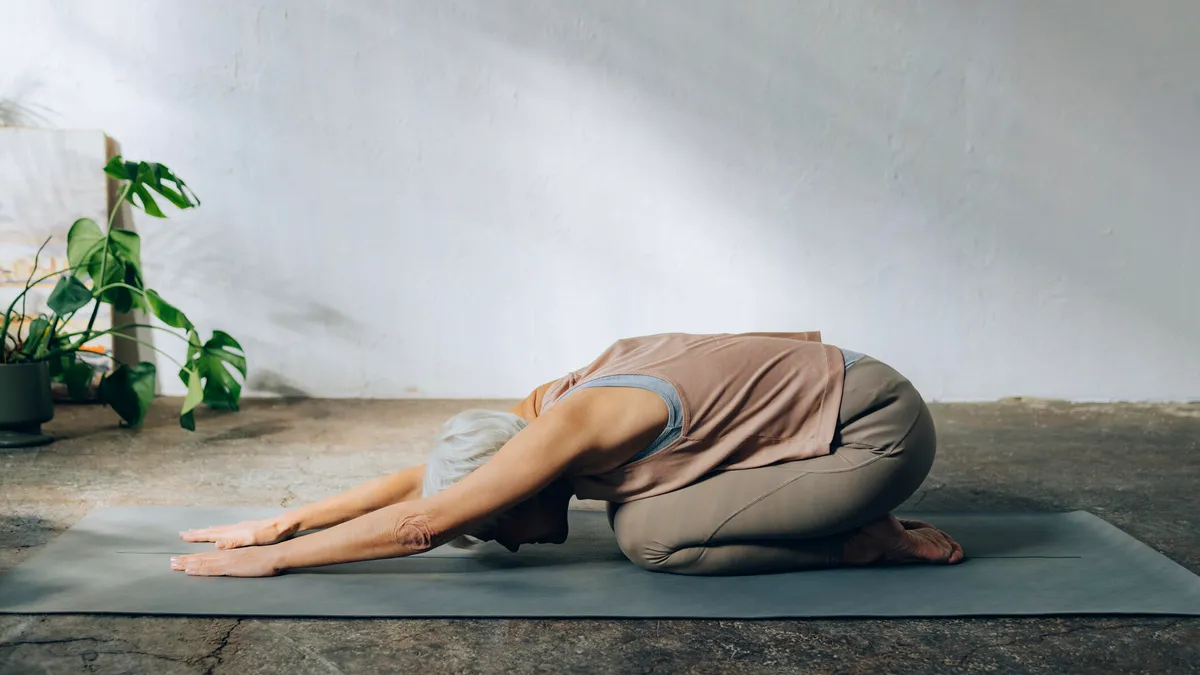
Introduction to Evening Yoga for Relaxation
After a long and busy day, both the body and mind often carry accumulated stress and fatigue. Work responsibilities, daily chores, long hours of sitting, and constant mental activity can leave people feeling physically tense and mentally overwhelmed. Evening yoga provides a gentle and effective way to release this tension and restore a sense of calm before the day ends.
Evening yoga focuses on slow movements, deep breathing, and mindful awareness. Unlike more intense workouts that are designed to energize the body, evening yoga aims to relax the muscles, calm the nervous system, and prepare the mind for rest. These practices help the body transition from the active pace of the day to a more peaceful and relaxed state.
One of the greatest advantages of evening yoga is its accessibility. It does not require a large amount of time or complicated equipment. Even a short session of 15 to 20 minutes can make a noticeable difference in how the body feels and how easily the mind can relax.
Many people struggle with stress or racing thoughts at night, which can interfere with sleep and overall well-being. Practicing yoga in the evening provides a natural way to slow down and release mental tension. Through gentle stretching and controlled breathing, the body learns to shift from a state of alertness into a state of relaxation.
By incorporating evening yoga into a daily routine, individuals can create a healthy habit that promotes physical comfort, emotional balance, and better sleep.
Why Evening Yoga Is Beneficial
Evening yoga offers a wide range of benefits that support both physical and mental health. Throughout the day, the body experiences various forms of strain such as prolonged sitting, standing, or repetitive movements. These activities can cause tight muscles, poor posture, and general fatigue.
Practicing yoga in the evening helps counteract these effects by gently stretching and relaxing the muscles. This process improves circulation and encourages the body to release built-up tension. As the muscles relax, the body begins to feel lighter and more comfortable.
Evening yoga also helps calm the mind after a busy day. Many people carry mental stress long after their workday ends. Thoughts about unfinished tasks, responsibilities, or personal worries can continue to occupy the mind.
Yoga encourages mindfulness and controlled breathing, which help slow down these thought patterns. Focusing on the breath and body movements shifts attention away from daily worries and toward the present moment.
Another benefit of evening yoga is that it supports emotional balance. Gentle yoga movements stimulate relaxation responses in the body, which help reduce feelings of stress and anxiety. As the nervous system begins to calm down, individuals often feel more peaceful and emotionally stable.
In addition, evening yoga can improve posture and body awareness. Stretching the spine, shoulders, and hips helps correct the effects of sitting for long hours, which is common in many modern lifestyles.
Overall, evening yoga provides a simple yet powerful way to restore balance and relaxation at the end of the day.
How Evening Yoga Helps the Body Unwind
The human body is designed to respond to daily demands by activating the nervous system’s alert response. This response helps individuals stay focused and productive during work and other activities. However, if the body remains in this alert state for too long, it can lead to chronic stress and fatigue.
Evening yoga helps reverse this process by activating the body’s relaxation response. Through slow movements and deep breathing, the nervous system gradually shifts from a state of alertness to a state of rest and recovery.
Gentle yoga poses stretch the muscles that become tight during daily activities. For example, areas such as the neck, shoulders, lower back, and hips often hold tension after a long day. Evening yoga poses are designed to release this tension and restore natural flexibility.
Another important element of evening yoga is controlled breathing. Deep and steady breathing increases oxygen flow to the body and helps slow the heart rate. This process signals the brain that it is safe to relax.
As the breathing becomes slower and more rhythmic, the body begins to release physical and mental stress. Muscles soften, the mind becomes quieter, and a feeling of relaxation spreads throughout the body.
This unwinding process is essential for maintaining overall health. When the body is given time to relax and recover each evening, it becomes better prepared to handle the challenges of the following day.
The Connection Between Relaxation and Better Sleep
Relaxation plays a crucial role in achieving high-quality sleep. Many people struggle with sleep difficulties because their minds remain active or their bodies remain tense even after they go to bed.
Stress, anxiety, and physical discomfort can all interfere with the body’s ability to transition into restful sleep. Evening yoga helps address these issues by creating a calm mental and physical state before bedtime.
The relaxation techniques used in yoga help slow down the nervous system and reduce the production of stress-related hormones. As a result, the body becomes more prepared to enter the natural sleep cycle.
Gentle stretching also relieves physical discomfort that might otherwise disturb sleep. For example, tight muscles in the back or shoulders can make it difficult to find a comfortable sleeping position. Evening yoga helps release this tension and improve overall comfort.
In addition, the mindful breathing practiced in yoga reduces racing thoughts that often keep people awake at night. By focusing on the rhythm of the breath, the mind gradually becomes quieter and more relaxed.
With regular practice, evening yoga can help establish a healthy bedtime routine. This routine signals to the body that it is time to wind down and prepare for rest.
Over time, individuals who practice evening yoga often experience deeper, more restorative sleep, which leads to improved energy levels and better mood during the day.
Benefits of Practicing Yoga in the Evening
Practicing yoga in the evening offers numerous benefits that support both physical recovery and mental relaxation. While morning yoga is often associated with energy and productivity, evening yoga focuses more on releasing tension and calming the mind.
After a full day of activity, the body may feel stiff or fatigued, and the mind may feel overloaded with information and responsibilities. Evening yoga provides an opportunity to release this accumulated stress and restore balance.
The slow and gentle nature of evening yoga makes it suitable for people of all fitness levels. It does not require intense physical effort, which makes it ideal for relaxing the body before bedtime.
Regular evening practice can also improve flexibility, posture, and muscle recovery. Additionally, it helps individuals transition smoothly from the busy pace of the day to a more peaceful and restful night.
Over time, these benefits contribute to improved overall well-being and a healthier lifestyle.
Releasing Physical Tension from the Day
Many daily activities place stress on the body without people realizing it. Sitting at a desk for long periods, standing for extended hours, carrying heavy objects, or using electronic devices can all create physical tension.
This tension often accumulates in areas such as the neck, shoulders, back, and hips. If not addressed, it can lead to stiffness, discomfort, and reduced mobility.
Evening yoga includes gentle stretching movements that target these commonly tense areas. Slow stretches lengthen tight muscles and improve circulation, which helps the body recover from daily strain.
As the muscles relax, individuals often notice a reduction in physical discomfort and improved posture. This release of tension also contributes to overall relaxation and a greater sense of comfort in the body.
Practicing yoga regularly in the evening can help prevent chronic muscle tightness and support long-term physical health.
Reducing Stress and Mental Fatigue
Mental fatigue is another common result of a busy day. Work responsibilities, decision-making, social interactions, and digital distractions can overload the brain and create feelings of exhaustion.
Evening yoga provides a mental break that allows the mind to slow down and reset. The practice encourages individuals to shift their attention away from daily worries and focus on breathing and movement.
Mindful breathing techniques used in yoga help calm the nervous system and reduce feelings of stress. As breathing becomes deeper and slower, the brain receives signals that the body is safe and relaxed.
This process reduces mental tension and promotes a more peaceful state of mind. Many people find that even a short yoga session helps them feel refreshed and emotionally balanced.
By regularly practicing yoga in the evening, individuals can reduce the impact of daily stress and maintain better mental health.
Improving Flexibility and Muscle Recovery
Throughout the day, muscles are constantly used for movement and posture. Over time, this activity can lead to stiffness and reduced flexibility, especially if the body does not receive proper stretching.
Evening yoga provides an opportunity to gently stretch the muscles and improve their range of motion. Slow and controlled movements allow muscles to lengthen without strain.
Improved flexibility helps the body move more comfortably and reduces the risk of injuries. It also supports better posture by keeping the spine and surrounding muscles balanced.
In addition, stretching promotes blood circulation, which helps deliver oxygen and nutrients to the muscles. This improved circulation supports muscle recovery and reduces soreness.
By practicing yoga regularly in the evening, individuals can maintain healthier muscles and joints while improving overall physical comfort.
Supporting Better Sleep Quality
Quality sleep is essential for physical recovery, emotional balance, and overall health. However, many people struggle to fall asleep due to stress, anxiety, or physical discomfort.
Evening yoga helps create the conditions necessary for restful sleep. The relaxation techniques used in yoga calm the nervous system and prepare the body for rest.
Gentle movements release muscle tension, while breathing exercises slow the heart rate and encourage a relaxed mental state. This combination helps the body transition naturally into sleep mode.
Practicing yoga before bedtime can also help establish a consistent nighttime routine. When the body becomes familiar with this routine, it begins to associate yoga with relaxation and sleep preparation.
Over time, individuals who practice evening yoga often experience deeper and more restorative sleep. This improved sleep quality leads to better energy levels, improved concentration, and a more positive mood during the day.
Preparing for Your Evening Yoga Practice
Preparing properly for an evening yoga session can make the experience more relaxing and effective. While yoga does not require complicated preparation, creating the right conditions helps the body and mind transition smoothly from a busy day into a calm and restorative practice.
Evening yoga is meant to slow the body down rather than stimulate it. Therefore, preparation should focus on creating a peaceful atmosphere, choosing a suitable time, and ensuring comfort during the session. When these elements are in place, the mind can focus fully on breathing, movement, and relaxation.
Many people find that preparing intentionally for their yoga practice also helps create a mental boundary between the stress of the day and the quietness of the evening. This small ritual signals to the brain that it is time to unwind and shift toward rest.
Proper preparation also improves safety and comfort during yoga. Wearing suitable clothing, practicing in a quiet space, and avoiding heavy meals immediately before the session can make the experience more enjoyable and beneficial.
By taking a few simple steps before starting, evening yoga can become a calming and refreshing part of your daily routine.
Choosing the Right Time in the Evening
Selecting the right time for evening yoga is important for maintaining consistency and maximizing relaxation. The ideal time depends on personal schedules, energy levels, and daily responsibilities.
Many people prefer practicing yoga after finishing their work or daily tasks, as it helps release tension that has accumulated throughout the day. Practicing at this time allows the body to transition from a productive state into a more relaxed evening rhythm.
Another popular time is one to two hours before bedtime. Practicing yoga during this period can calm the mind and prepare the body for sleep. Gentle poses and breathing exercises performed during this time often help reduce restlessness and promote deeper sleep.
However, it is generally recommended to avoid very intense or stimulating yoga sessions right before going to bed. Vigorous movements may increase heart rate and make it harder for the body to relax. Evening yoga should focus on slow stretches and calming breathing techniques.
It is also important to avoid practicing yoga immediately after eating a large meal. Waiting at least one to two hours after dinner allows the body to digest food comfortably before stretching and bending.
The best approach is to choose a time that fits naturally into your daily routine. Consistency helps turn yoga into a habit, making it easier to practice regularly and enjoy its long-term benefits.
Creating a Calm and Comfortable Environment
The environment in which yoga is practiced can greatly influence the quality of the experience. A calm and comfortable setting allows the mind to relax and focus fully on the practice.
Evening yoga does not require a large space. A small quiet corner of a room is usually enough as long as there is sufficient space to stretch and move comfortably. The most important factor is minimizing distractions that could interrupt the flow of the session.
Soft lighting can help create a peaceful atmosphere. Bright lights may stimulate the brain and make relaxation more difficult, while dim or warm lighting encourages calmness and comfort.
Some people enjoy playing gentle background music or natural sounds such as ocean waves or rainfall during their yoga practice. These sounds can help reduce mental distractions and create a soothing environment.
Keeping the practice space clean and organized also contributes to a sense of calm. A clutter-free space allows the mind to feel less overwhelmed and more focused on the present moment.
Temperature is another important factor. The room should feel comfortable—not too hot and not too cold. A pleasant temperature allows muscles to stretch more easily and prevents discomfort during the session.
Over time, practicing yoga in the same peaceful environment can help train the mind to associate that space with relaxation and mindfulness.
What to Wear and What Equipment You Need
One of the advantages of yoga is that it requires very little equipment. However, wearing comfortable clothing and using a few simple items can enhance the overall experience.
Clothing for evening yoga should be loose, soft, and flexible. Tight or restrictive clothing can make it difficult to stretch comfortably and may distract from the practice. Many people prefer breathable fabrics that allow the body to move freely.
Bare feet are typically recommended during yoga practice. Practicing without shoes allows better balance and helps maintain a natural connection with the floor.
The most common piece of equipment used in yoga is a yoga mat. A mat provides cushioning and prevents slipping during poses. It also creates a designated space for the practice, which can help improve focus.
Other optional items may include a small pillow, yoga block, or blanket. These props can provide support during certain poses and make the practice more comfortable, especially for beginners.
For evening yoga sessions, a blanket can be particularly helpful during relaxation or meditation at the end of the practice. Covering the body lightly can increase feelings of comfort and warmth.
Overall, the goal is to keep equipment simple and focus more on relaxation, breathing, and gentle movement rather than complicated setups.
Breathing Techniques to Begin Your Practice
Breathing is one of the most important elements of yoga. It connects the mind and body and helps guide the pace of movement during practice. In evening yoga, breathing techniques are especially important because they help calm the nervous system and prepare the body for relaxation.
During stressful moments, breathing often becomes shallow and rapid. This pattern signals the body to remain alert and tense. Yoga breathing techniques encourage slow and controlled breathing, which helps reverse this stress response.
Starting a yoga session with a few minutes of breathing exercises allows the body to transition from daily activity into a calmer state. As breathing becomes deeper and more rhythmic, the heart rate slows and the mind becomes quieter.
Breathing techniques also increase oxygen flow to the brain and muscles. This improved oxygen supply helps release tension and promotes mental clarity.
Practicing breathing exercises regularly can help individuals manage stress more effectively, both during yoga sessions and in everyday life.
Deep Relaxation Breathing
Deep relaxation breathing is one of the simplest and most effective ways to begin an evening yoga practice. This technique encourages slow, deep breaths that help calm the nervous system and release tension from the body.
To practice deep relaxation breathing, sit or lie down comfortably and close your eyes. Place one hand on your chest and the other on your abdomen. As you inhale slowly through the nose, allow the abdomen to expand while keeping the chest relatively still.
Then exhale gently through the nose, allowing the abdomen to relax and fall naturally. This breathing pattern encourages deeper breaths that fully engage the diaphragm.
Deep breathing helps slow the heart rate and reduce stress levels. It also improves oxygen circulation throughout the body, which supports relaxation and mental clarity.
Practicing this breathing technique for a few minutes at the beginning of yoga helps prepare the body for gentle stretching and meditation.
Slow Nasal Breathing
Slow nasal breathing is another calming breathing technique commonly used in yoga. In this practice, both inhalation and exhalation occur through the nose, which naturally regulates the flow of air.
Breathing through the nose helps filter and warm the air before it enters the lungs. It also encourages slower and more controlled breathing compared to breathing through the mouth.
During slow nasal breathing, attention is focused on maintaining a smooth and steady rhythm. Each breath should feel relaxed and natural, without forcing or straining.
This technique helps calm the mind by creating a steady breathing pattern. As the rhythm of the breath becomes slower and more consistent, the nervous system gradually shifts into a relaxed state.
Slow nasal breathing is particularly helpful for reducing mental distractions and preparing the mind for mindfulness or meditation.
Practicing this technique for several minutes before beginning yoga poses can help establish a calm and focused mindset.
Gentle Lengthened Exhale Breathing
Lengthened exhale breathing is a powerful technique for activating the body’s relaxation response. In this method, the exhalation is made slightly longer than the inhalation.
For example, a person might inhale slowly for four seconds and then exhale for six seconds. This extended exhale signals the nervous system to relax and release tension.
Longer exhalations help reduce heart rate and calm the body’s stress response. They also encourage the release of physical tension that may have built up during the day.
This breathing technique is especially useful during evening yoga because it promotes deep relaxation and prepares the body for sleep.
Practicing gentle lengthened exhale breathing for several minutes can create a sense of calm and stability. As the body relaxes, it becomes easier to move into yoga poses and mindfulness practices.
With regular practice, this technique can also be used outside of yoga sessions to manage stress and restore emotional balance in daily life.
Best Evening Yoga Poses for Relaxation
Evening yoga focuses on gentle, calming movements that help release the tension accumulated throughout the day. These poses are designed to stretch tight muscles, improve circulation, and calm the nervous system. Unlike more energetic morning yoga routines, evening yoga emphasizes slow movements and deep breathing to prepare the body for rest.
After long hours of sitting, standing, or working, muscles often become stiff and tired. Areas such as the neck, shoulders, back, and hips tend to hold the most tension. Practicing relaxing yoga poses in the evening helps relieve this tension and restore comfort to the body.
Another important benefit of evening yoga poses is their ability to calm the mind. Slow stretches combined with steady breathing help shift the body from an active state to a relaxed state. This transition is especially helpful for reducing stress and preparing the body for sleep.
The following yoga poses are simple, gentle, and suitable for most beginners. They can be practiced individually or combined into a short evening routine to promote relaxation and emotional balance.
Child’s Pose
Child’s Pose is one of the most calming and restorative yoga poses. It gently stretches the back, hips, thighs, and ankles while encouraging deep breathing and relaxation.
To practice Child’s Pose, begin by kneeling on the floor with your knees slightly apart and your big toes touching behind you. Slowly lower your hips toward your heels and extend your arms forward on the floor. Allow your forehead to rest gently on the mat.
As you settle into the pose, focus on slow and deep breathing. With each inhale, allow the back to gently expand. With each exhale, feel the body relax and sink deeper into the pose.
This position naturally encourages relaxation because it places the body in a safe and supported posture. The gentle forward fold also helps calm the nervous system and reduce mental stress.
Child’s Pose is particularly helpful for relieving tension in the lower back and shoulders. Many people find that holding this pose for one to two minutes helps release physical fatigue after a long day.
It is also an excellent pose for reconnecting with the breath and preparing the mind for meditation or sleep.
Cat–Cow Stretch
The Cat–Cow Stretch is a gentle flowing movement that improves spinal flexibility and relieves tension in the back and neck. This pose is especially helpful for people who spend long hours sitting at a desk or working on computers.
To begin, position yourself on your hands and knees in a tabletop position. Your wrists should be directly under your shoulders and your knees under your hips.
As you inhale, gently arch your back, lifting your chest and tailbone upward. This position is known as the Cow pose. Allow your gaze to move slightly upward as the chest opens.
As you exhale, slowly round your spine, drawing your chin toward your chest and pulling your belly inward. This creates the Cat pose, which stretches the entire back.
Continue moving slowly between these two positions, coordinating each movement with your breath.
The Cat–Cow Stretch helps release stiffness in the spine and improves mobility in the back muscles. It also encourages deeper breathing and increases awareness of body movement.
Practicing this gentle flow for one to two minutes can significantly reduce back tension and prepare the body for deeper relaxation poses.
Standing Forward Fold
Standing Forward Fold is a calming yoga pose that stretches the hamstrings, calves, and lower back while promoting relaxation. It also encourages blood flow toward the head, which can help reduce mental fatigue.
To perform this pose, stand upright with your feet hip-width apart. Slowly bend forward from the hips and allow your upper body to hang toward the floor.
Your knees may remain slightly bent to avoid strain on the lower back. Let your arms hang freely or gently hold opposite elbows for a deeper stretch.
As you relax in this position, focus on slow breathing and allow gravity to gently lengthen the spine.
This pose helps release tension in the lower back and hamstrings, areas that often become tight during the day. The gentle inversion also increases circulation to the brain, which can improve mental clarity and relaxation.
Standing Forward Fold can be held for several slow breaths, allowing the body to gradually release stiffness and tension.
It is a simple yet powerful pose for relieving physical fatigue and calming the mind.
Seated Forward Bend
The Seated Forward Bend is a deeply relaxing pose that stretches the entire back of the body, including the spine, hamstrings, and calves. It also encourages introspection and calmness.
To begin, sit on the floor with your legs extended straight in front of you. Keep your spine tall and your shoulders relaxed.
As you inhale, lengthen your spine. As you exhale, slowly lean forward from the hips, reaching your hands toward your feet, ankles, or shins.
It is important not to force the stretch. The goal is to maintain a gentle and comfortable position while allowing the body to relax.
The forward bending position helps quiet the nervous system and encourages deeper breathing. It also stretches muscles that may have become tight from daily activities.
This pose is especially beneficial for calming the mind and reducing stress. Many people find that holding the Seated Forward Bend for one to two minutes helps create a deep sense of relaxation.
Supine Spinal Twist
The Supine Spinal Twist is a gentle twisting pose that helps release tension in the spine, back, and hips. Twisting movements are particularly effective for improving spinal mobility and relieving stiffness.
To perform this pose, lie on your back with your arms extended out to the sides in a T-shape. Bend one knee and bring it toward your chest.
Slowly guide the bent knee across your body toward the opposite side while keeping your shoulders relaxed on the floor. Turn your head gently toward the opposite direction of the knee.
This twist creates a gentle stretch along the spine and back muscles. Breathe slowly and allow the body to soften into the pose.
The Supine Spinal Twist helps release tension in the lower back and hips while promoting relaxation throughout the body. It also stimulates gentle spinal movement that can relieve stiffness caused by long periods of sitting.
Holding this pose for several breaths on each side can help restore comfort and flexibility to the spine.
Legs-Up-the-Wall Pose
Legs-Up-the-Wall Pose is one of the most restorative yoga poses for evening relaxation. It is particularly effective for reducing fatigue in the legs and calming the nervous system.
To practice this pose, sit next to a wall and gently swing your legs upward so that they rest vertically against the wall. Your back should lie comfortably on the floor, with your hips close to the wall.
Your arms can rest at your sides with your palms facing upward. Close your eyes and focus on slow, steady breathing.
This pose encourages blood circulation from the legs back toward the heart, which helps reduce swelling and fatigue. It is especially beneficial for individuals who spend long hours standing or walking.
Legs-Up-the-Wall Pose also promotes deep relaxation because it requires very little physical effort. The body is fully supported, allowing muscles to release tension naturally.
Many people practice this pose for five to ten minutes at the end of their evening yoga routine. It creates a deep sense of calm and prepares the body for restful sleep.
Over time, incorporating this pose into an evening routine can help reduce stress, improve circulation, and enhance overall relaxation before bedtime.
Tips for Making Evening Yoga a Habit
Starting an evening yoga routine can feel refreshing and relaxing, but maintaining the habit consistently may require some planning and motivation. Many people begin with good intentions but eventually stop practicing because of busy schedules, fatigue, or distractions. The key to making evening yoga a lasting habit is to keep the routine simple, enjoyable, and flexible.
Evening yoga does not need to be long or complicated. In fact, short and gentle sessions are often more effective for relaxation than intense workouts. By focusing on comfort and consistency rather than perfection, individuals can turn yoga into a natural part of their nightly routine.
Creating a peaceful atmosphere, reducing distractions, and maintaining realistic expectations can help reinforce the habit. Over time, evening yoga becomes something the body and mind begin to look forward to as a moment of calm after a long day.
When practiced regularly, this routine can help reduce stress, improve sleep quality, and promote a healthier balance between daily activity and relaxation.
Creating a Relaxing Nighttime Routine
Establishing a relaxing nighttime routine is one of the best ways to make evening yoga a consistent habit. When yoga becomes part of a predictable routine, the body naturally begins to associate it with relaxation and preparation for sleep.
A simple evening routine may begin with finishing daily responsibilities, dimming the lights, and creating a quiet environment. After that, a short yoga session can help transition the body from activity to rest.
Many people find it helpful to practice yoga at the same time each evening. Consistency helps the body develop a natural rhythm, making it easier to maintain the habit over time.
Evening yoga can also be combined with other calming activities such as reading, meditation, or journaling. These practices together create a peaceful end-of-day ritual that supports mental relaxation.
By making yoga part of a relaxing nighttime routine, individuals can transform the practice into a comforting habit rather than another task on their schedule.
Avoiding Screens Before Practice
Modern lifestyles often involve constant interaction with screens such as smartphones, computers, and televisions. While these devices are useful, excessive screen time in the evening can interfere with relaxation and sleep.
The bright light from screens stimulates the brain and can make it harder to unwind after a long day. It can also increase mental stimulation by exposing the mind to work emails, social media updates, or stressful news.
Avoiding screens for at least 20 to 30 minutes before evening yoga can help the mind transition into a calmer state. This short break allows the brain to reduce stimulation and become more receptive to relaxation.
Instead of using screens during this time, individuals can prepare for yoga by stretching gently, practicing breathing exercises, or simply sitting quietly.
Reducing digital distractions also helps improve focus during the yoga session. When the mind is not preoccupied with notifications or messages, it becomes easier to concentrate on breathing and body movements.
Making a habit of disconnecting from screens before evening yoga can significantly enhance the calming effects of the practice.
Staying Consistent with Short Sessions
One of the most common reasons people stop practicing yoga is the belief that they need long sessions for it to be effective. In reality, even 10 to 15 minutes of yoga can provide meaningful relaxation and health benefits.
Short sessions are easier to fit into busy schedules and require less physical effort, especially in the evening when energy levels may be lower.
On days when time is limited or motivation is low, practicing just a few gentle poses or breathing exercises can still maintain the habit. Consistency is far more important than duration.
Another helpful approach is to set small and realistic goals. For example, committing to a short session every evening for a week can help establish the routine.
Over time, the body and mind begin to associate evening yoga with relaxation and comfort. This positive association makes it easier to stay motivated and continue practicing regularly.
By focusing on consistency rather than perfection, evening yoga can become a sustainable and enjoyable part of daily life.
Common Mistakes to Avoid
Although yoga is generally safe and beneficial, certain mistakes can reduce its effectiveness or make the practice less enjoyable. Being aware of these common mistakes can help individuals develop a more balanced and relaxing evening yoga routine.
Evening yoga should focus on calming the body and mind. If the practice becomes too intense or rushed, it may produce the opposite effect and leave the body feeling stimulated rather than relaxed.
By practicing with awareness, patience, and proper breathing, individuals can avoid unnecessary strain and maximize the relaxation benefits of evening yoga.
Understanding these common mistakes can help create a safer and more enjoyable practice.
Practicing Intense Yoga Too Late at Night
One common mistake is performing highly energetic or physically demanding yoga routines late in the evening. While intense yoga styles can be beneficial during the day, they may overstimulate the body when practiced close to bedtime.
Vigorous movements can increase heart rate and activate the nervous system, making it harder for the body to relax afterward. This stimulation may interfere with the body’s natural preparation for sleep.
Evening yoga should instead focus on gentle stretches, slow movements, and deep breathing. Restorative poses that calm the nervous system are more suitable for nighttime practice.
Choosing relaxing poses allows the body to release tension while gradually slowing down physical and mental activity.
By keeping evening yoga gentle and mindful, individuals can support better relaxation and improved sleep.
Skipping Relaxation at the End
Another common mistake is finishing the yoga session without taking time to relax. Many people move quickly from yoga poses back into their normal activities, which prevents the body from fully absorbing the benefits of the practice.
Ending the session with a short relaxation pose or meditation allows the body to integrate the effects of stretching and breathing exercises.
One of the most common relaxation poses is lying on the back with the arms and legs comfortably extended while focusing on slow breathing. This position encourages deep physical and mental relaxation.
Spending even two to five minutes in relaxation can significantly enhance the calming effects of the yoga session.
This final relaxation period helps slow the heart rate, calm the mind, and prepare the body for restful sleep.
Rushing Through the Poses
Yoga is meant to be a mindful practice that encourages awareness of movement and breathing. Rushing through poses can reduce the effectiveness of the practice and increase the risk of discomfort or strain.
Evening yoga should be performed slowly and gently. Each movement should be guided by the rhythm of the breath rather than by speed.
Moving slowly allows muscles to stretch safely and encourages deeper relaxation. It also helps the mind remain present and focused.
Taking time to fully experience each pose creates a more meaningful and calming yoga session.
By practicing with patience and mindfulness, individuals can enjoy the full mental and physical benefits of evening yoga.
Frequently Asked Questions
Many people who are interested in evening yoga have questions about how to practice safely and effectively. Understanding the answers to common questions can help beginners feel more confident about incorporating yoga into their nightly routine.
Evening yoga is flexible and adaptable, which means it can be practiced in different ways depending on individual needs and schedules.
The following frequently asked questions address some of the most common concerns about evening yoga practice.
How Long Should an Evening Yoga Session Be?
An evening yoga session does not need to be very long to be effective. For most people, a 15 to 20 minute session is enough to release tension and promote relaxation.
Beginners may start with 10 minutes of gentle stretching and breathing exercises. As they become more comfortable with the routine, they may gradually extend their sessions.
Longer sessions of 30 minutes or more can also be beneficial, especially if they include meditation or restorative poses.
The most important factor is consistency. Practicing yoga regularly for a shorter duration often provides better results than practicing occasionally for long periods.
Can Evening Yoga Help with Insomnia?
Yes, evening yoga can be helpful for people who experience difficulty falling asleep. Many cases of insomnia are linked to stress, anxiety, or physical tension.
Yoga helps address these issues by calming the nervous system and relaxing the body. Gentle stretching releases muscle tension, while breathing exercises slow the heart rate and reduce mental activity.
Practicing yoga regularly in the evening can help create a calming bedtime routine that signals the body it is time to rest.
Over time, many people notice improvements in their sleep quality and find it easier to fall asleep.
Is It Okay to Practice Yoga Right Before Bed?
Yes, gentle yoga can be practiced shortly before bedtime. In fact, many people find that relaxing poses and breathing exercises help them prepare for sleep.
However, it is important to keep the practice slow and calming. Intense or fast-paced yoga sessions may stimulate the body and make it harder to fall asleep.
A short routine that includes gentle stretches, deep breathing, and relaxation poses is ideal for bedtime.
Practicing yoga in this way can help quiet the mind and create a peaceful transition into sleep.
What If I Feel Too Tired to Practice?
Feeling tired in the evening is common, especially after a long day. However, yoga can actually help relieve fatigue by improving circulation and releasing muscle tension.
On days when energy is low, the practice can be simplified. Even a five-minute routine of gentle stretching or breathing can provide relaxation and maintain the habit.
It is important to remember that evening yoga is not meant to be physically demanding. The goal is to help the body relax and recover.
Often, people find that once they begin a short yoga session, their bodies gradually feel more refreshed and relaxed.
By keeping the practice gentle and flexible, evening yoga can remain accessible even on the busiest or most tiring days.
Conclusion: Ending Your Day with Calm and Balance
Evening yoga is a gentle yet powerful way to transition from the busyness of the day into a state of relaxation and peace. After hours of work, responsibilities, and mental stimulation, the body and mind often carry tension that can interfere with rest and overall well-being. A short evening yoga session allows you to slow down, release physical tightness, calm racing thoughts, and prepare your body for restorative sleep.
Unlike high-energy workouts, evening yoga focuses on mindful breathing, slow stretches, and relaxation techniques. These practices activate the body’s natural relaxation response, lowering stress levels and helping your nervous system shift into a calm state. Over time, ending your day with yoga can improve sleep quality, reduce anxiety, and help you wake up feeling refreshed and balanced.
Even just 10–20 minutes of gentle yoga each evening can create a meaningful difference in how you feel physically and emotionally. The key is consistency and approaching the practice as a form of self-care rather than a task to complete.
Long-Term Benefits of Evening Yoga
Practicing yoga regularly in the evening offers many long-term benefits that support both physical health and mental well-being.
One of the most noticeable benefits is improved sleep quality. Gentle stretching and controlled breathing help relax muscles and quiet the mind, making it easier to fall asleep and stay asleep throughout the night. Over time, people who practice evening yoga often experience deeper and more restorative sleep.
Another important benefit is reduced stress and anxiety. The slow movements and breathing exercises used in evening yoga activate the parasympathetic nervous system, which helps the body recover from the stress of the day. This relaxation response lowers cortisol levels and promotes emotional balance.
Evening yoga also supports physical recovery. Sitting at a desk, standing for long hours, or performing repetitive movements can create tightness in the neck, shoulders, hips, and lower back. Gentle evening stretches release this tension, improve flexibility, and support healthy posture.
Mental clarity and emotional stability are additional long-term advantages. Taking time each evening to slow down and connect with your breath creates a moment of mindfulness that helps clear mental clutter. Over time, this daily pause can improve focus, mood, and resilience to stress.
Finally, evening yoga encourages a deeper mind-body connection. As you become more aware of your breath, posture, and physical sensations, you develop greater awareness of how your body responds to stress, movement, and rest. This awareness helps you make healthier lifestyle choices and maintain balance in everyday life.
Making Relaxation a Daily Habit
Building a consistent evening yoga routine does not require long sessions or complex poses. The most important factor is turning relaxation into a daily habit.
Start by choosing a specific time each evening for your yoga practice. This might be after dinner, before taking a shower, or just before preparing for bed. Practicing at the same time each day helps your body recognize the routine and gradually associate it with winding down.
Creating a comfortable practice space can also support consistency. A quiet corner with a yoga mat, soft lighting, and minimal distractions can make your practice feel calm and inviting. Some people also enjoy playing gentle music or using calming scents like lavender to enhance relaxation.
Keeping the routine simple is another key to making the habit sustainable. A short sequence of 4–6 gentle poses combined with slow breathing and a few minutes of relaxation is often enough to calm the body and mind. Even on busy days, a brief practice can maintain the habit and provide noticeable benefits.
It can also be helpful to focus on how the practice makes you feel rather than how long or intense the session is. When you associate evening yoga with relaxation, comfort, and mental clarity, you are more likely to continue practicing regularly.
Over time, this simple routine becomes an important part of your daily self-care, helping you transition from the activity of the day into a restful and peaceful night.
Creating a Peaceful Mind Before Sleep
A calm mind is essential for quality sleep, and evening yoga provides an effective way to release mental tension before bedtime.
Throughout the day, the mind absorbs information, stress, and stimulation from work, technology, and daily responsibilities. Without a moment to slow down, these thoughts can continue racing even after you lie down to sleep. Evening yoga helps break this cycle by encouraging mindfulness and controlled breathing.
Breathing exercises such as slow diaphragmatic breathing or gentle breath awareness help reduce mental noise and bring attention to the present moment. As the breath becomes slower and deeper, the heart rate gradually decreases, and the nervous system shifts into a relaxed state.
Gentle yoga poses further support this process by releasing physical tension that may be contributing to restlessness. Poses that stretch the hips, lower back, and shoulders help the body feel lighter and more comfortable, making it easier to settle into sleep.
Ending your practice with a few minutes of relaxation, such as lying in a comfortable position and focusing on your breath, allows both the body and mind to fully unwind. This quiet moment signals to your brain that the day is complete and that it is time to rest.
By consistently practicing evening yoga, you create a calming transition between the activity of the day and the stillness of the night. Over time, this routine helps cultivate a peaceful mindset, improves sleep quality, and supports overall emotional balance.