 By Daily Fitness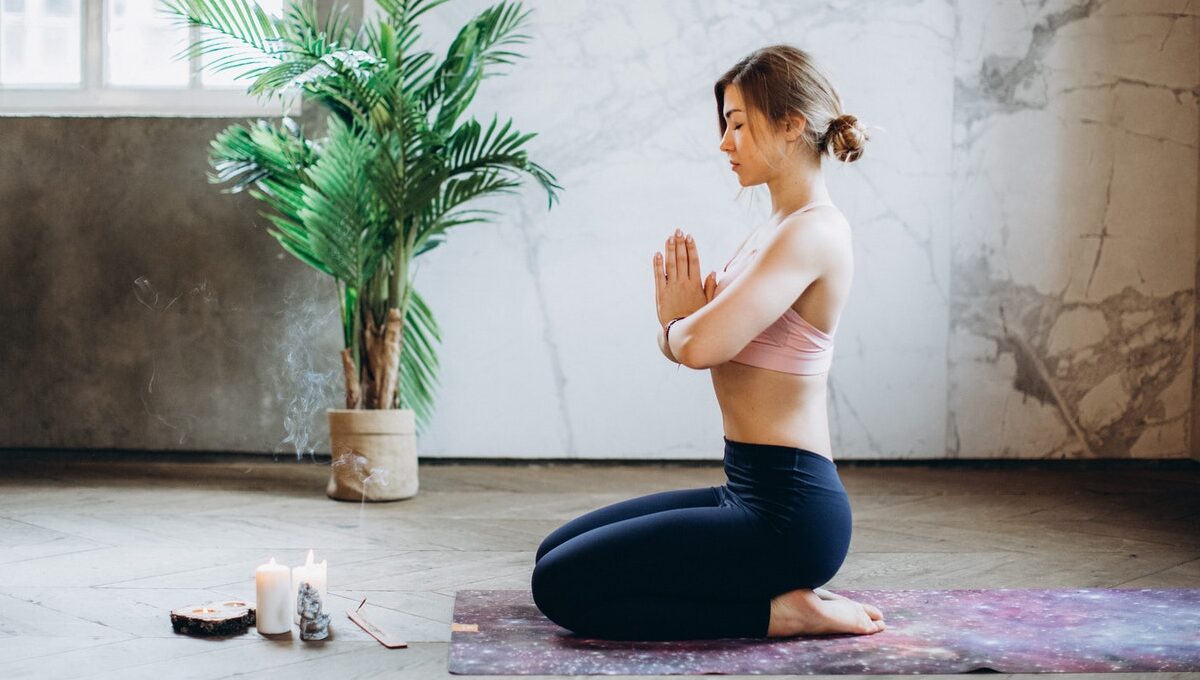
Introduction to a Home Yoga Space
Creating a home yoga space is one of the most effective ways to build a consistent and meaningful yoga practice. While yoga can technically be practiced anywhere, having a designated area at home helps establish a routine and encourages regular practice. A dedicated yoga space becomes a place where you can disconnect from daily distractions and focus entirely on your physical and mental well-being.
In today’s busy world, many people struggle to find time to attend yoga classes at studios or gyms. Practicing yoga at home offers a convenient and flexible alternative. By creating a comfortable and peaceful space in your home, you can practice yoga whenever it fits your schedule—whether it is early in the morning, during a midday break, or in the evening before sleep.
A home yoga space does not need to be large or elaborate. Even a small corner of a room can become a powerful sanctuary for relaxation, mindfulness, and movement. What matters most is that the space feels calm, inviting, and supportive of your practice.
The environment where you practice yoga can greatly influence your focus and motivation. A cluttered or noisy space may make it difficult to concentrate, while a quiet and organized environment can help your mind relax and become more present. Creating a dedicated yoga area signals to your mind that it is time to slow down, breathe deeply, and reconnect with yourself.
Over time, practicing in the same space helps build a positive association with relaxation and mindfulness. The moment you step onto your yoga mat, your mind begins to recognize the familiar environment and naturally shifts into a calm and focused state.
Why a Dedicated Yoga Space Matters
A dedicated yoga space is important because it helps create a consistent and focused environment for your practice. When yoga is practiced in a specific location, the mind begins to associate that space with relaxation, mindfulness, and physical movement. This mental connection makes it easier to enter a calm and focused state whenever you begin your practice.
Without a designated space, it can be easy for distractions to interfere with your yoga routine. Practicing in a cluttered or busy area may make it difficult to concentrate on breathing, posture, and mindfulness. A dedicated yoga space helps eliminate these distractions and provides a peaceful setting for your practice.
Having a consistent practice area also encourages regularity. When a yoga mat and equipment are always ready in the same place, it reduces the effort required to start practicing. This small convenience can make a big difference in maintaining a daily routine.
Another advantage of a dedicated yoga space is the sense of intention it creates. Stepping into a specific area for yoga signals that it is time to slow down, breathe deeply, and focus on self-care. This intentional transition from daily activities to mindful practice helps improve concentration and relaxation.
A dedicated space can also make yoga feel more enjoyable and inspiring. Personal touches such as calming colors, soft lighting, or natural elements like plants can create an atmosphere that promotes peace and motivation.
Even in smaller homes or apartments, a yoga space does not need to be permanent or large. A simple corner with a yoga mat and minimal equipment can serve as an effective practice area. What matters most is that the space feels comfortable and free from distractions.
By establishing a dedicated yoga space, individuals create a supportive environment that encourages consistency, mindfulness, and personal growth.
Benefits of Practicing Yoga at Home
Practicing yoga at home offers many advantages that make it an appealing option for people with busy lifestyles. One of the most significant benefits is convenience. When yoga is practiced at home, there is no need to travel to a studio or follow a strict class schedule. This flexibility allows individuals to practice at a time that best fits their daily routine.
Home yoga practice also allows for greater personal comfort. Practicing in a familiar environment can make it easier to relax and focus without feeling self-conscious. This is especially helpful for beginners who may feel nervous about practicing in a group setting.
Another benefit is the ability to move at your own pace. In a home environment, you can take as much time as needed to explore poses, practice breathing techniques, or rest between movements. This freedom allows you to adapt the practice according to your energy levels and personal goals.
Practicing yoga at home can also be more cost-effective. While studio classes often require membership fees or session payments, a home practice typically requires only minimal equipment such as a yoga mat and comfortable clothing.
In addition to convenience and affordability, home yoga practice encourages self-discipline and personal responsibility. When individuals commit to practicing regularly at home, they develop a stronger sense of motivation and consistency.
Home practice also allows individuals to combine yoga with other wellness activities such as meditation, breathing exercises, or journaling. This flexibility makes it easier to create a holistic routine that supports both mental and physical health.
Over time, practicing yoga at home can help build a sustainable habit that improves flexibility, strength, relaxation, and emotional balance.
How Environment Influences Your Practice
The environment in which yoga is practiced plays a crucial role in shaping the overall experience. A well-designed practice space can promote relaxation, concentration, and motivation, while an uncomfortable or distracting environment may make it difficult to stay focused.
One of the most important aspects of a supportive yoga environment is cleanliness and organization. A clutter-free space allows the mind to relax and reduces visual distractions. When the area is tidy and well-arranged, it becomes easier to focus on breathing and movement.
Lighting also has a significant impact on the atmosphere of a yoga space. Natural light can create a refreshing and uplifting environment, especially during morning practices. In the evening, softer lighting may help promote relaxation and calmness.
Noise levels are another important factor. A quiet environment allows practitioners to concentrate on their breath and body movements without interruptions. If complete silence is not possible, gentle background music or nature sounds can help create a soothing atmosphere.
Temperature and ventilation also affect comfort during yoga practice. A room that is well-ventilated with fresh air allows for deeper breathing and prevents discomfort during movement. Maintaining a comfortable temperature ensures that the body can move freely without feeling too hot or too cold.
Personal elements can also enhance the practice environment. Items such as plants, inspirational quotes, candles, or simple artwork can create a sense of peace and inspiration. These elements help transform the yoga space into a small sanctuary dedicated to well-being.
Ultimately, the environment acts as a foundation for a successful yoga practice. When the space feels calm, inviting, and supportive, it becomes easier to relax, stay focused, and enjoy the full benefits of yoga. Over time, the positive energy of the space encourages consistency and deepens the connection between body and mind.
Choosing the Right Location
Selecting the right location is one of the most important steps in creating a home yoga space. The area you choose will directly affect how comfortable, focused, and relaxed you feel during your practice. A well-chosen location allows you to move freely, breathe deeply, and concentrate without distractions.
Many people assume they need a large room or special studio to practice yoga at home. In reality, yoga requires very little space. Even a small corner of a room can become a peaceful yoga area as long as it provides enough room to stretch, move, and place a yoga mat comfortably.
When choosing a location, the goal is to find a space that supports calmness and concentration. A quiet environment with minimal interruptions allows the mind to settle and helps create a deeper connection with breathing and movement. The space should also feel comfortable and welcoming so that you look forward to spending time there.
Another important consideration is practicality. The location should be easy to access and suitable for daily use. If setting up the yoga space requires too much effort each time, it may become harder to maintain a consistent practice routine. Choosing a convenient area encourages regular practice and helps establish a healthy habit.
Lighting, ventilation, and overall atmosphere also play important roles in selecting the ideal location. Natural light, fresh air, and a peaceful setting can significantly enhance the quality of your yoga sessions.
By thoughtfully selecting the right location, you create a supportive environment that makes it easier to relax, focus, and fully enjoy the benefits of yoga practice at home.
Finding a Quiet and Comfortable Area
A quiet and comfortable area is essential for maintaining focus during yoga practice. Yoga is not only a physical activity but also a mindful practice that requires attention to breathing, body awareness, and relaxation. Excessive noise or interruptions can make it difficult to achieve this level of concentration.
When choosing a quiet space, consider areas of your home that experience less foot traffic or activity. For example, a spare room, bedroom corner, or even a peaceful section of the living room can work well. The goal is to find a location where you are less likely to be disturbed during your practice.
Comfort is equally important. The area should have enough space to stretch your arms and legs fully without bumping into furniture or walls. Ideally, the space should allow you to place a yoga mat on the floor with extra room around it for comfortable movement.
The surface of the floor is another factor to consider. Practicing on a stable, flat surface helps maintain balance and stability during poses. Hardwood floors, carpeted areas, or yoga mats placed on smooth surfaces can provide adequate support.
If possible, try to minimize clutter in the chosen area. A clean and organized space can help create a sense of calm and allow the mind to relax more easily. Removing unnecessary items from the yoga space also reduces visual distractions.
Some practitioners find it helpful to use small decorative elements to make the space feel more inviting. A simple plant, a small shelf, or a calming piece of artwork can make the area feel more peaceful without creating clutter.
Ultimately, a quiet and comfortable area allows you to fully immerse yourself in your yoga practice, making it easier to relax, focus on breathing, and move through poses with confidence.
Considering Natural Light and Ventilation
Natural light and fresh air can significantly enhance the quality of your yoga practice. A well-lit and well-ventilated space helps create a refreshing atmosphere that supports both physical movement and mental relaxation.
Natural light is especially beneficial for yoga practice because it creates a warm and uplifting environment. Practicing near a window allows sunlight to gently illuminate the space, which can improve mood and energy levels. Morning yoga sessions often feel particularly refreshing when performed in natural light.
Exposure to natural light also helps regulate the body’s internal clock, supporting better sleep patterns and overall well-being. Practicing yoga in a bright, naturally lit environment can make the experience feel more energizing and positive.
Ventilation is another important factor to consider. Proper airflow ensures that the room remains comfortable during movement and breathing exercises. Fresh air supports deeper breathing and helps prevent the space from feeling stuffy or overheated.
If possible, choose a location where windows can be opened to allow fresh air to circulate. This can make breathing exercises more enjoyable and help maintain a comfortable temperature during practice.
For homes with limited natural light, soft artificial lighting can also create a relaxing atmosphere. Lamps with warm lighting or adjustable brightness can help mimic the calming effects of natural light.
Good lighting and ventilation not only improve comfort but also create an environment that encourages relaxation and mindfulness. These elements help make your yoga space feel open, peaceful, and supportive of daily practice.
Indoor vs. Outdoor Yoga Spaces
Both indoor and outdoor yoga spaces have unique advantages, and the choice between them often depends on personal preference, climate, and available space.
Indoor yoga spaces offer greater consistency and convenience. Practicing indoors allows you to maintain a regular routine regardless of weather conditions. Indoor spaces also provide more control over lighting, temperature, and noise levels, which can help create a stable and predictable environment for practice.
Another advantage of indoor yoga spaces is privacy. Practicing at home in a quiet room allows individuals to focus entirely on their movements and breathing without feeling self-conscious. This can be especially helpful for beginners who are still learning poses and techniques.
Outdoor yoga spaces, on the other hand, offer a unique connection with nature. Practicing yoga outside in a garden, balcony, or park can create a refreshing and calming experience. Natural surroundings, fresh air, and the sounds of nature can enhance relaxation and deepen mindfulness.
Outdoor practice can also make yoga feel more invigorating. Gentle sunlight, open space, and natural scenery can boost mood and create a sense of freedom during movement.
However, outdoor yoga spaces may be influenced by weather conditions, noise, or uneven surfaces. Wind, heat, or cold temperatures can sometimes make outdoor practice less comfortable. For this reason, many practitioners enjoy a combination of both indoor and outdoor yoga sessions.
For example, indoor spaces may be preferred for early morning or evening practices, while outdoor spaces may be ideal for occasional sessions during pleasant weather.
Ultimately, both indoor and outdoor yoga spaces can support a meaningful and enjoyable practice. The best choice is the one that feels most comfortable, inspiring, and practical for your lifestyle. By selecting the right environment, you can create a yoga practice that feels both relaxing and rewarding.
Essential Yoga Equipment
Creating a comfortable and functional yoga space at home does not require a large amount of equipment. One of the appealing aspects of yoga is its simplicity. With just a few essential items, you can build a supportive environment that allows you to practice safely and effectively.
The right equipment can improve comfort, stability, and alignment during yoga poses. It can also help beginners learn proper posture while reducing the risk of strain or injury. While experienced practitioners may eventually develop the ability to practice with minimal tools, beginners often benefit from the added support that yoga equipment provides.
Essential yoga equipment includes a reliable yoga mat, supportive props such as blocks and straps, and practical storage solutions that keep the space organized. These items help make the yoga area more functional and inviting, encouraging regular practice.
When selecting yoga equipment, it is important to focus on quality, comfort, and practicality. Well-chosen equipment can enhance your experience, support proper technique, and make your home yoga space feel more professional and enjoyable.
The following sections explore the key pieces of equipment that can help create a well-equipped home yoga practice area.
Selecting the Right Yoga Mat
A yoga mat is the most important piece of equipment for any yoga practice. It provides a stable and comfortable surface that supports the body during various poses and movements. A good yoga mat helps improve balance, reduce slipping, and protect the joints from hard floors.
When selecting a yoga mat, one of the most important factors to consider is thickness. Thicker mats provide extra cushioning, which can be helpful for poses that place pressure on the knees, elbows, or spine. However, very thick mats may sometimes reduce stability during balance poses. A medium-thickness mat usually offers a good balance between comfort and support.
Another important factor is grip or traction. A mat with good grip helps prevent slipping during poses, especially during practices that involve dynamic movements or sweating. Mats made from non-slip materials can provide better stability and confidence during practice.
Material is also an important consideration. Yoga mats are available in various materials, including natural rubber, foam, and eco-friendly options. Some people prefer natural materials because they are more environmentally friendly and provide excellent grip.
The size of the mat should also suit your body and practice style. Standard yoga mats are long enough for most people, but taller individuals may prefer longer mats for additional comfort.
Durability is another key factor. A well-made mat should maintain its shape and grip over time, even with regular use. Investing in a high-quality mat can improve comfort and make yoga practice more enjoyable.
In addition to its practical benefits, the yoga mat often becomes a personal symbol of your practice. Unrolling the mat each day can serve as a signal to the mind that it is time to focus on relaxation, movement, and mindfulness.
Helpful Props: Blocks, Straps, and Cushions
Yoga props are supportive tools that help practitioners perform poses more safely and comfortably. They are especially useful for beginners who may still be developing flexibility, balance, and strength.
One of the most common yoga props is the yoga block. Blocks provide extra height and support during poses that require reaching toward the floor. For example, in standing forward bends or triangle poses, blocks can help maintain proper alignment without forcing the body to overstretch. They allow practitioners to gradually deepen their flexibility over time.
Yoga straps are another helpful prop, particularly for stretching exercises. A strap can extend the reach of the arms and make it easier to hold certain positions. This is useful in poses that require holding the feet or legs, especially for people who are still improving their flexibility.
Straps also help maintain proper posture by encouraging controlled movement rather than forcing the body into a position. This makes stretching safer and more effective.
Cushions or bolsters provide additional comfort and support during restorative yoga poses or meditation. These soft props help the body relax by supporting the spine, hips, or legs. They are particularly useful for longer relaxation poses or breathing exercises where comfort is essential.
Props are not only for beginners. Even experienced practitioners use them to refine alignment, deepen stretches, and explore new variations of poses. Using props encourages a mindful approach to yoga by prioritizing comfort and proper technique over forcing the body into difficult positions.
Having a few simple props in your home yoga space can greatly enhance the versatility and accessibility of your practice.
Storage Solutions for Yoga Gear
Keeping yoga equipment organized is an important part of maintaining a calm and functional home practice space. When yoga gear is stored neatly and conveniently, it becomes easier to start your practice without unnecessary preparation or clutter.
One simple storage solution is using a dedicated basket or storage box for smaller items such as straps, blocks, and towels. This keeps everything in one place and prevents items from being scattered around the room.
For yoga mats, wall-mounted hooks or racks can provide a practical and space-saving option. Hanging the mat on a wall keeps it clean and allows it to dry properly after practice. This is especially helpful if the mat becomes damp from sweat.
Shelves are another useful option for storing yoga props and decorative items. A small shelf can hold blocks, cushions, and other accessories while also enhancing the appearance of the yoga space.
Some people prefer multi-purpose furniture that doubles as storage. For example, benches or storage ottomans can hold yoga equipment while also providing seating or decorative value.
Keeping the yoga space tidy also helps maintain a sense of calm and focus. A clutter-free environment allows the mind to relax and makes the practice area feel more inviting.
Regularly cleaning and organizing yoga gear ensures that the equipment remains in good condition and ready for use. This small habit contributes to a more enjoyable and consistent yoga routine.
By incorporating practical storage solutions, you can keep your yoga space neat, functional, and inspiring—making it easier to maintain a daily practice and fully enjoy the benefits of yoga at home.
Personalizing Your Yoga Space
Personalizing your yoga space is an important step in making your home practice more meaningful and enjoyable. While the main purpose of a yoga area is to provide a calm and comfortable place for movement and relaxation, adding personal touches can transform the space into a sanctuary that reflects your values, personality, and goals.
A personalized yoga space encourages motivation and emotional connection. When the environment feels inspiring and welcoming, it becomes easier to maintain a consistent practice routine. Small details such as meaningful decorations, calming colors, or natural elements can create a space that supports both physical and mental well-being.
Personalization does not mean filling the space with many items. In fact, yoga philosophy often emphasizes simplicity and mindfulness. The goal is to create a peaceful atmosphere where every item has a purpose or meaning.
Adding a few carefully chosen elements can help remind you why you practice yoga and what you hope to achieve through it. These elements may inspire calmness, gratitude, strength, or personal growth.
By creating a space that feels uniquely yours, you build a stronger connection with your practice. Each time you step into your yoga area, the environment itself encourages relaxation, mindfulness, and positive energy.
Adding Inspirational Quotes or Art
Inspirational quotes and artwork can add a meaningful touch to your yoga space. Visual reminders of positivity, mindfulness, and personal growth can help set the tone for your practice and encourage a focused mindset.
A simple framed quote on the wall can serve as a daily reminder of your intentions. Words related to peace, balance, gratitude, or self-awareness can inspire motivation and encourage reflection during practice. For example, a quote about patience or mindfulness may help guide your breathing and movement during challenging poses.
Artwork can also contribute to the calming atmosphere of the space. Images of nature, abstract designs, or peaceful landscapes can create a sense of serenity. The goal is to choose art that makes you feel relaxed and inspired whenever you look at it.
Minimalism is often recommended when decorating a yoga space. Too many decorations may create visual distractions, while a few carefully selected pieces can enhance the overall atmosphere without overwhelming the senses.
Another option is creating a small inspiration board where you place images or words that represent your wellness goals. This can serve as a visual reminder of your commitment to health, mindfulness, and personal development.
By incorporating inspirational quotes or art, you create a visual environment that supports your yoga journey and encourages positive thinking.
Creating a Small Meditation Corner
A meditation corner is a wonderful addition to any home yoga space. Meditation and yoga often complement each other, and having a dedicated area for quiet reflection can deepen your overall practice.
A meditation corner does not need to be large or elaborate. Even a small section of your yoga space can be transformed into a peaceful place for breathing exercises, mindfulness, or relaxation.
Comfort is the most important element of a meditation area. A soft cushion, floor pillow, or folded blanket can provide comfortable support while sitting. This helps maintain proper posture during meditation without causing discomfort.
Many people like to include calming elements such as candles, plants, or small decorative objects in their meditation corner. These items can create a peaceful atmosphere and make the space feel special.
Some practitioners also include items that represent personal values or spiritual beliefs, such as a small statue, crystal, or meaningful symbol. These objects can serve as gentle reminders of inner peace and mindfulness.
Lighting also plays a role in creating a relaxing meditation area. Soft lighting or natural light can help promote a calm and reflective mood.
Having a dedicated meditation corner encourages regular mindfulness practice. Even spending a few minutes in this space each day can help reduce stress, improve focus, and enhance emotional well-being.
Incorporating Meaningful Personal Items
Adding meaningful personal items to your yoga space can make the environment feel more connected to your personal journey. These items may represent important memories, goals, or sources of inspiration.
For example, you might include a small object that reminds you of a peaceful place you visited, such as a shell from the beach or a stone from a nature walk. These items can create a subtle connection with nature and bring positive memories into your practice.
Plants are another popular addition to yoga spaces. Indoor plants not only enhance the appearance of the room but also create a sense of freshness and calm. The presence of greenery can make the environment feel more peaceful and inviting.
Personal items should be chosen carefully to maintain a sense of balance in the space. The goal is not to fill the area with many objects but to select a few items that genuinely inspire you.
These meaningful objects can act as quiet reminders of gratitude, mindfulness, and personal growth. Over time, they become part of the atmosphere that supports your daily yoga practice.
Maintaining a Clean and Organized Space
Keeping your yoga space clean and organized is essential for maintaining a peaceful and inviting environment. A tidy space helps create mental clarity and allows you to focus fully on your practice without distractions.
Clutter and disorganization can make a space feel stressful or overwhelming. When the environment is clean and well-arranged, it naturally promotes relaxation and mindfulness.
Maintaining a clean yoga space also protects your equipment and ensures that it remains comfortable and safe to use. Regular cleaning helps prevent dust, sweat buildup, and unpleasant odors.
Another important benefit of organization is convenience. When your yoga equipment is easy to find and ready to use, it becomes easier to begin your practice without delay.
Developing simple habits for cleaning and organizing your yoga space can make a big difference in the quality of your practice. With a few small routines, you can keep the area fresh, welcoming, and inspiring every day.
Daily Cleaning Habits
Establishing daily cleaning habits helps keep your yoga space fresh and comfortable. Fortunately, maintaining cleanliness does not require a lot of time or effort.
After each yoga session, it is helpful to wipe down your yoga mat to remove sweat and maintain hygiene. This prevents bacteria buildup and keeps the mat in good condition. Allowing the mat to air dry before storing it is also important.
Keeping the floor area clean is another important step. Dust or debris can make the practice area less comfortable and may interfere with balance during poses. A quick sweep or vacuum can help maintain a clean surface.
It is also helpful to return props and equipment to their designated storage areas after each session. This simple habit prevents clutter and keeps the space organized.
Maintaining these small daily habits ensures that your yoga area always feels clean, calm, and ready for practice.
Keeping Yoga Equipment Organized
Organization plays a key role in creating a peaceful yoga space. When equipment is stored neatly and efficiently, the space remains open and inviting.
One effective way to stay organized is to designate specific storage areas for different items. For example, yoga blocks, straps, and towels can be placed in a basket or small container. This keeps everything together and easy to access.
Yoga mats can be rolled and stored in a corner, hung on a wall hook, or placed on a shelf. Proper storage helps protect the mat from damage and keeps the room looking tidy.
Shelves, storage bins, or small cabinets can also be useful for organizing props and accessories. These storage solutions help reduce clutter and keep the practice area clean.
An organized yoga space not only looks better but also makes the practice experience more relaxing and enjoyable.
Refreshing the Space Regularly
Refreshing your yoga space regularly can help maintain a sense of calm and inspiration. Over time, small changes or updates can keep the environment feeling new and motivating.
Refreshing the space does not require major changes. Simple actions such as rearranging items, cleaning surfaces, or adding a new plant can make the area feel renewed.
Changing decorative elements occasionally can also help maintain interest and inspiration. For example, you might update artwork, add a seasonal decoration, or replace an inspirational quote.
Another way to refresh the space is by introducing pleasant scents through natural methods such as essential oils, incense, or fresh flowers. These subtle changes can enhance relaxation and create a welcoming atmosphere.
Regularly refreshing the yoga space helps maintain positive energy and ensures that the environment continues to support your practice.
By keeping your yoga area clean, organized, and occasionally refreshed, you create a peaceful sanctuary that encourages consistency, mindfulness, and overall well-being.
Making Your Yoga Space Part of Your Routine
Creating a yoga space at home is only the first step. The real value of that space comes from using it consistently and making it a natural part of your daily routine. When a yoga area becomes part of your everyday life, it transforms from a simple corner of the house into a dedicated sanctuary for wellness, mindfulness, and self-care.
Many people struggle to maintain a regular yoga practice because of busy schedules, distractions, or lack of motivation. A well-designed yoga space can help overcome these challenges by serving as a constant reminder of your commitment to health and balance.
When your yoga mat, props, and calming environment are always ready, it becomes easier to start practicing without hesitation. Over time, stepping into your yoga space can become a daily ritual that signals your mind and body to slow down, breathe deeply, and reconnect with yourself.
Consistency does not require long or intense sessions. Even short daily practices can produce meaningful benefits for both physical and mental health. The key is to create habits that make yoga feel like a natural and enjoyable part of your day.
Your yoga space can also serve multiple purposes beyond physical poses. It can be used for meditation, breathing exercises, relaxation, and quiet reflection. By integrating these activities into your routine, the space becomes a powerful center for overall well-being.
With a little planning and commitment, your home yoga space can support a sustainable wellness routine that improves flexibility, reduces stress, and enhances overall quality of life.
Creating a Daily Practice Schedule
Establishing a daily practice schedule is one of the most effective ways to maintain consistency in yoga. A schedule helps turn yoga from an occasional activity into a regular habit that supports long-term health and well-being.
When creating a schedule, it is important to choose a time that fits naturally into your lifestyle. Many people prefer practicing yoga in the morning because it helps awaken the body, improve focus, and set a positive tone for the day. Morning yoga sessions can boost energy levels and enhance mental clarity.
Others may prefer practicing yoga in the evening as a way to relax and release tension after a busy day. Evening yoga sessions can help calm the mind, reduce stress, and prepare the body for restful sleep.
Regardless of the time you choose, consistency is the most important factor. Practicing at the same time each day helps train the body and mind to expect the routine. Over time, the habit becomes easier to maintain.
Your daily schedule does not need to be long or complicated. Even 10 to 20 minutes of yoga practice can provide significant benefits when performed regularly. Short sessions can include stretching, breathing exercises, and a few simple poses.
Some people find it helpful to combine yoga with other daily habits, such as practicing after waking up, before breakfast, or before bedtime. This approach makes yoga feel like a natural part of your routine rather than an extra task.
By creating a realistic and consistent practice schedule, you make it easier to use your yoga space regularly and experience the full benefits of daily movement and mindfulness.
Using the Space for Meditation and Breathwork
Your yoga space can serve many purposes beyond physical exercise. Meditation and breathwork are powerful practices that complement yoga and enhance its mental and emotional benefits.
Meditation involves focusing the mind and cultivating awareness of the present moment. Practicing meditation in your yoga space can help create a peaceful mental state and improve concentration. Even a few minutes of quiet meditation each day can reduce stress and promote emotional balance.
Breathwork, also known as mindful breathing or pranayama, is another valuable practice that can be performed in your yoga space. Controlled breathing techniques help regulate the nervous system, improve oxygen flow, and create a sense of calm.
Using the same space for yoga, meditation, and breathing exercises helps build a strong mental association between that environment and relaxation. Over time, simply entering the space can help the mind transition into a calmer and more focused state.
A typical session might begin with a few minutes of deep breathing, followed by gentle yoga poses, and end with a short meditation. This combination supports both physical and mental well-being.
Meditation and breathwork can also be practiced separately during moments when you need a quick break from daily stress. Spending just a few minutes in your yoga space to focus on breathing can help restore clarity and calmness.
By using your yoga space for multiple wellness practices, you create a versatile environment that supports relaxation, mindfulness, and personal growth.
Staying Consistent with Your Practice
Consistency is the key to experiencing the long-term benefits of yoga. However, maintaining regular practice can sometimes be challenging due to busy schedules, fatigue, or loss of motivation.
One effective strategy for staying consistent is setting realistic goals. Instead of aiming for long or intense sessions every day, start with small and manageable practices. Even a short session can help maintain the habit and keep you connected to your yoga routine.
Another helpful approach is to focus on enjoyment rather than perfection. Yoga is a personal journey, and every practice will feel different. Some days you may feel strong and flexible, while other days may feel slower or more relaxed. Accepting these variations helps maintain a positive attitude toward practice.
Tracking your progress can also help maintain motivation. Keeping a simple journal or calendar where you mark your practice days can create a sense of accomplishment and encourage consistency.
It may also be helpful to vary your practice occasionally by exploring new poses, breathing techniques, or meditation styles. This variety can keep the routine interesting and prevent boredom.
Most importantly, remember that consistency does not mean practicing perfectly every day. The goal is to return to your yoga space regularly and allow the practice to support your well-being in a flexible and compassionate way.
Frequently Asked Questions
Many people who are interested in practicing yoga at home have questions about space requirements, equipment, and motivation. Understanding these basic aspects can help beginners feel more confident about starting their home yoga journey.
The following frequently asked questions address common concerns and provide helpful guidance for creating and maintaining a successful home yoga practice.
Do I Need a Large Space for Yoga at Home?
No, a large space is not necessary for practicing yoga at home. One of the advantages of yoga is that it requires very little space. In most cases, you only need enough room to place a yoga mat and extend your arms and legs comfortably.
A small corner of a bedroom, living room, or even a quiet hallway can serve as an effective yoga area. What matters most is that the space feels comfortable, safe, and free from major distractions.
Even in small apartments, many people successfully practice yoga by temporarily moving a small piece of furniture or using a foldable mat that can be stored easily after practice.
The quality of the space is more important than its size. A clean, quiet, and inviting environment can support a meaningful yoga practice regardless of the available space.
What Is the Minimum Equipment Required?
The minimum equipment needed for a home yoga practice is simply a yoga mat. A mat provides cushioning, stability, and grip during various poses, making it easier to practice safely and comfortably.
While other items such as yoga blocks, straps, or cushions can be helpful, they are not strictly necessary. Many yoga poses can be modified using household items if needed. For example, a thick book can substitute for a yoga block, and a belt can function as a strap.
Comfortable clothing that allows free movement is also important for practicing yoga.
As your practice develops, you may choose to add additional equipment to enhance comfort and support. However, starting with just a mat is perfectly sufficient for most beginners.
How Can I Stay Motivated to Practice at Home?
Staying motivated to practice yoga at home can sometimes be challenging, especially when there are many daily responsibilities and distractions. One helpful strategy is creating a dedicated yoga space that feels inviting and inspiring.
Setting a consistent schedule and practicing at the same time each day can also help develop a strong habit. When yoga becomes part of your daily routine, it requires less motivation to begin.
Another way to maintain motivation is setting simple goals, such as practicing a few poses each day or focusing on relaxation and breathing. Celebrating small achievements can encourage continued progress.
Some people also find motivation through online yoga classes, instructional videos, or yoga communities. These resources provide guidance, inspiration, and a sense of connection with others who share similar wellness goals.
Most importantly, focus on how yoga makes you feel. The sense of relaxation, energy, and clarity that comes after practice can become a powerful motivation to continue.
Can I Share My Yoga Space with Other Activities?
Yes, your yoga space can easily be shared with other activities, especially if you have limited space at home. Many people create multi-purpose areas that serve as both yoga spaces and general living spaces.
For example, a living room corner may function as a yoga area during practice and return to normal use afterward. Using portable equipment such as a roll-up mat and lightweight props makes it easy to transform the space when needed.
The key is maintaining a sense of organization and intention. When it is time to practice yoga, temporarily clearing the area and setting up your mat can help create a focused environment.
Even if the space is shared with other activities, treating it with respect and mindfulness during your practice helps maintain its calming atmosphere.
With thoughtful organization and flexibility, almost any part of your home can become a supportive environment for yoga and personal well-being.
Conclusion: Building a Peaceful Home Yoga Sanctuary
Creating a peaceful home yoga sanctuary is more than just setting aside a physical space—it is about cultivating an environment that supports balance, mindfulness, and personal well-being. In today’s busy world, having a dedicated place for yoga allows you to pause, reconnect with yourself, and focus on both your physical and mental health.
A home yoga space provides the opportunity to practice at your own pace without the pressures of a studio environment. It becomes a personal retreat where you can stretch, breathe, meditate, and relax whenever you need. Over time, this space begins to represent calmness, clarity, and positive energy.
The beauty of a home yoga sanctuary lies in its simplicity. You do not need a large room or expensive equipment. A clean and comfortable area, a yoga mat, and a few thoughtful touches are enough to create a supportive environment for your practice.
As you continue using the space regularly, it becomes a place where healthy habits are formed and maintained. The more often you practice there, the stronger the connection between the environment and your wellness routine becomes.
A peaceful yoga space can also influence other areas of your life. When you create time for mindfulness and movement, you develop greater awareness, improved focus, and a healthier relationship with stress. These benefits extend beyond the yoga mat and contribute to a more balanced lifestyle.
Ultimately, building a home yoga sanctuary is an investment in your long-term health and personal growth. By creating a space dedicated to wellness, you give yourself the opportunity to practice self-care and cultivate inner peace every day.
Creating a Space That Supports Wellness
A wellness-focused environment plays an important role in maintaining a consistent yoga practice. When your surroundings encourage calmness and relaxation, it becomes easier to step away from daily stress and focus on your well-being.
Creating a supportive space begins with simplicity and comfort. The area should feel clean, open, and free from unnecessary clutter. A tidy environment promotes mental clarity and helps you concentrate on breathing and movement without distractions.
Lighting, colors, and natural elements can also influence the atmosphere of your yoga space. Soft lighting, natural sunlight, and calming colors such as soft blues, greens, or neutral tones can create a relaxing and peaceful environment.
Adding small natural elements like plants, flowers, or wooden decor can enhance the feeling of connection with nature. These elements bring freshness and positive energy into the space, making it more inviting and enjoyable.
Another important aspect of a wellness-focused space is emotional connection. Personal touches such as meaningful objects, inspirational quotes, or artwork can remind you of your goals and intentions for practicing yoga.
When a space is intentionally designed to support wellness, it becomes more than just a place for exercise. It becomes a sanctuary where you can recharge physically, mentally, and emotionally.
The Long-Term Benefits of a Dedicated Practice Area
Having a dedicated yoga practice area at home offers many long-term benefits that extend far beyond physical flexibility or strength. Over time, the consistency of practicing in the same space can help develop strong habits that support overall health and well-being.
One of the most important long-term benefits is consistency. When your yoga mat and equipment are always ready, it becomes easier to begin practicing without hesitation. Removing barriers such as travel time to a gym or studio increases the likelihood that you will maintain a regular routine.
A dedicated space also helps create a mental association between that environment and relaxation. When you enter your yoga area, your mind naturally begins to shift into a calmer and more focused state. This psychological connection can deepen your practice and improve mindfulness.
Regular yoga practice supported by a dedicated space can contribute to improved flexibility, better posture, increased strength, and enhanced balance. These physical benefits often become more noticeable over time as the body adapts to consistent movement.
Mental and emotional benefits are equally significant. Yoga helps reduce stress, improve mood, and promote better sleep. Practicing regularly in a comfortable and familiar space can enhance these positive effects.
In the long run, a dedicated yoga area becomes a valuable part of your home environment—one that supports physical health, emotional resilience, and mental clarity.
Making Yoga a Daily Lifestyle Habit
Turning yoga into a daily lifestyle habit is one of the most rewarding outcomes of creating a home yoga sanctuary. When yoga becomes a regular part of your daily routine, its benefits extend into many aspects of your life.
Developing a daily habit does not require long or intense sessions. Even short practices of 10 to 20 minutes can produce meaningful results when performed consistently. The key is to focus on regularity rather than perfection.
Your yoga space can act as a gentle reminder to take time for yourself each day. Seeing the mat and equipment ready for use encourages you to pause, breathe, and reconnect with your body and mind.
As yoga becomes part of your lifestyle, you may begin to notice improvements not only in physical health but also in mental clarity, emotional balance, and overall energy levels. Daily practice helps build patience, discipline, and mindfulness.
Over time, yoga may naturally expand beyond physical poses to include meditation, breathing exercises, and moments of quiet reflection. This holistic approach can create a deeper sense of well-being and self-awareness.
Ultimately, making yoga a daily habit is about creating a sustainable relationship with movement and mindfulness. Your home yoga sanctuary serves as the foundation for this journey, supporting a lifestyle that prioritizes health, balance, and inner peace.