 By Daily Fitness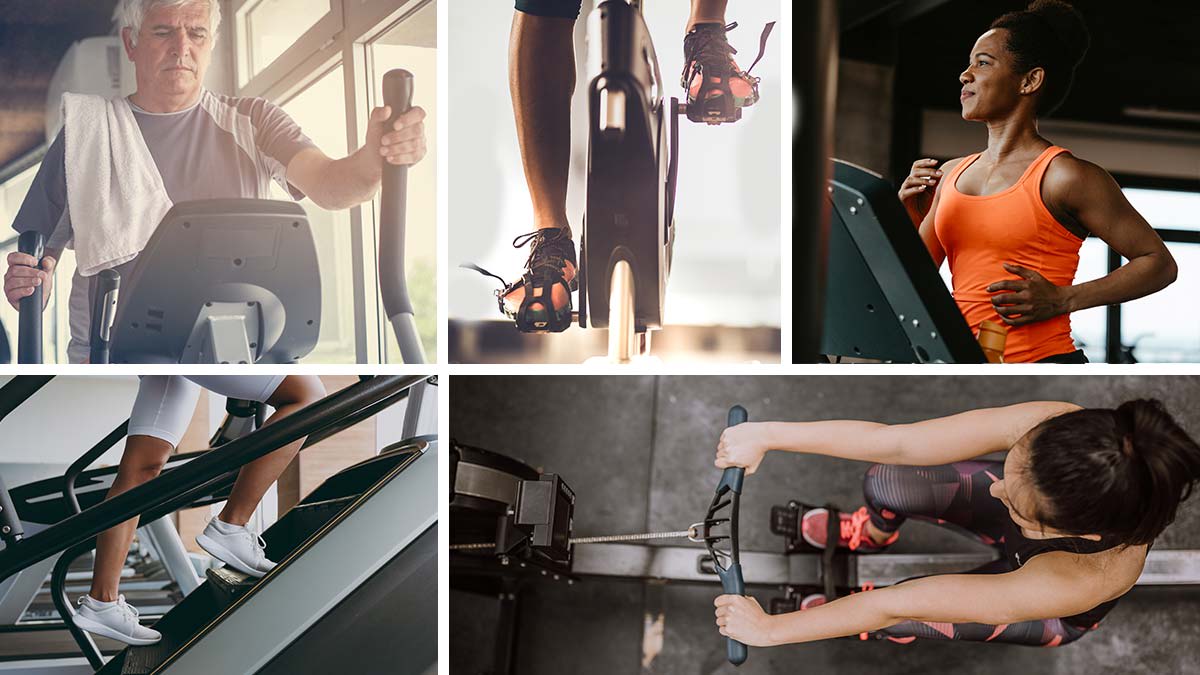
Introduction
Cardiovascular exercise—often called cardio—is any physical activity that raises your heart rate and keeps it elevated for a sustained period. It’s a foundational element of fitness routines because it improves heart and lung function, manages weight, enhances mood, and increases overall physical endurance. For many people, fitting regular cardio into a busy schedule can be challenging. That’s where home cardio equipment becomes a game-changer: it brings convenience, flexibility, and consistent access to effective workouts without ever leaving your house.
Whether your goal is to lose weight, build stamina, reduce stress, or simply stay active, having the right cardio tools at home makes it easier to stick with your fitness routine. This guide helps you understand why daily cardio matters, the benefits of doing it at home, and how to choose the best equipment based on your personal needs and lifestyle.
Why Daily Cardio Matters
Daily cardio isn’t just about sweating—it’s about improving long-term health and functional fitness. Here’s why incorporating cardio into your everyday life is so important:
Heart Health
Cardiovascular exercise strengthens the heart muscle. As you engage in activities that increase your heart rate (like jogging in place, cycling, or using a treadmill), your heart becomes more efficient at pumping blood, lowering your risk of heart disease, high blood pressure, and stroke.
Improved Circulation
Consistent cardio helps increase blood flow throughout the body. Better circulation means more oxygen and nutrients get delivered to muscles and organs, which improves energy and performance in daily tasks.
Weight Management
Cardio is one of the most effective ways to burn calories. Pairing regular cardio workouts with balanced nutrition can support weight loss or weight maintenance goals.
Enhanced Mental Health
Exercise releases endorphins—natural chemicals in the brain that boost mood. Daily cardio helps reduce stress, anxiety, and symptoms of depression while improving focus and overall emotional well-being.
Better Sleep
People who maintain consistent cardio routines often experience deeper and more restorative sleep. This can support better recovery, energy levels, and overall health.
Benefits of Home Cardio Workouts
Exercising at home has become increasingly popular—and for good reason. Here are key advantages of doing cardio in your own space:
Convenience & Time-Saving
No commuting to gyms, waiting for machines, or scheduling around class times. You can work out whenever it suits you—morning, night, or during short breaks.
Cost-Effective
Although quality equipment requires an initial investment, over time it’s often cheaper than long-term gym memberships or fitness classes.
Privacy & Comfort
Home workouts reduce self-consciousness and allow you to exercise without distractions. You control the environment—music, temperature, and pace—all aligned with your preferences.
Family Involvement
Home equipment encourages family participation. Kids and partners can join workouts, making fitness a shared routine.
Greater Consistency
Because it’s easier to fit sessions into your daily life, people who work out at home tend to be more consistent—one of the biggest predictors of long-term success.
How to Choose Cardio Equipment
Picking the right cardio equipment goes beyond just liking how it looks. The best choice aligns with your living space, budget, fitness level, and personal goals. Here’s how to break it down:
Space & Budget Considerations
Before buying any machine, take stock of the space you have available and how much you’re willing to spend.
Space
- Measure the area: Some machines require substantial floor space and ceiling height (e.g., treadmills or ellipticals). Always measure before purchasing.
- Foldable vs. Fixed: Foldable machines (like some treadmills and bikes) are ideal for small spaces like apartments.
- Storage: Think about where the equipment will live when not in use—can it be easily tucked away?
Budget
- Entry-Level (€100–€300): Jump ropes, resistance bands, and basic air bikes are affordable and effective for daily cardio.
- Mid-Range (€300–€1,000): Stationary bikes, basic treadmills, and rowers offer more features and durability.
- High-End (€1,000+): Premium treadmills, ellipticals, and smart bikes with interactive training and connectivity.
Tip: Balance cost with long-term use. It’s often worth investing a bit more in equipment you’ll actually use consistently.
Fitness Level & Goals
Your current fitness experience and future goals should heavily influence your choice:
Beginner
- Look for low-impact options like ellipticals or stationary bikes.
- Simple controls and adjustable resistance can help you build confidence.
Intermediate
- Machines like treadmills with incline settings or rowers with variable resistance offer progress as you improve.
Advanced / Athlete
- High-intensity machines (air bikes, spin bikes with structured interval training) can elevate heart rate quickly.
- Consider connected equipment with performance tracking.
Goals
- Weight Loss: Choose equipment that lets you burn lots of calories (e.g., treadmills, rowing machines).
- Endurance: Longer, steady-state workouts work well on bikes and ellipticals.
- Interval Training: Air bikes and rowers are great for HIIT workouts.
Noise & Maintenance
Practical details like noise level and upkeep matter—especially when equipment lives inside your home.
Noise
- Quiet Machines: Magnetic resistance bikes and treadmills with cushioned decks are generally quieter.
- Louder Options: Air bikes and some rowers can be noisy—consider if you have neighbors or family working/studying nearby.
Maintenance
- Low Maintenance: Stationary bikes and compact treadmills usually just need occasional cleaning and belt checks.
- Higher Maintenance: Ellipticals and large treadmills may require periodic lubrication and part replacements.
- Warranty & Support: Look for good warranties and customer service—especially for electronics and moving parts.
Top Cardio Machines for Home Use — Detailed Guide
Cardio equipment for home use ranges from simple tools like jump ropes to advanced machines like treadmills and air bikes. Each has unique benefits, ideal use cases, and considerations—like impact on joints, space needed, and the type of workout it provides. Here’s a detailed look at the most popular options:
Treadmills
Overview:
Treadmills are among the most versatile and popular home cardio machines. They allow walking, jogging, and running indoors with adjustable speed and incline settings.
Best For:
- Walkers, joggers, and runners
- Gradual progression from low to high intensity
- People focused on endurance and weight loss
Benefits:
- Mimics natural movement
- Customizable workouts (speed, incline)
- High calorie burn potential
- Great for interval training
Considerations:
- Typically larger footprint
- Higher price range for quality models
- Can be heavier and harder to move
Who It’s Best For:
Anyone from beginners to advanced users, especially those focused on running or brisk walking as their primary cardio.
Stationary Bikes
Overview:
Stationary bikes offer seated cardio workouts with adjustable resistance. There are two main types: upright bikes, which resemble traditional bikes, and recumbent bikes, which have a laid-back seat for more comfort.
Best For:
- Low-impact cardio
- People with joint concerns
- Long, steady-state workouts
Benefits:
- Easier on knees and hips
- Compact and relatively quiet
- Great for endurance and fat loss
Considerations:
- Lower calorie burn compared to running
- Some models lack interval or interactive features
Who It’s Best For:
Beginners, people with back or knee issues, and anyone wanting an efficient, comfortable cardio session.
Ellipticals
Overview:
Ellipticals simulate walking or running without the impact. Many models include moving handlebars for full-body engagement.
Best For:
- Low-impact cardio
- Full-body workouts
- Cross-training
Benefits:
- Gentle on joints
- Combines arms + legs for more calories
- Smooth, gliding motion
Considerations:
- Usually bigger and pricier than bikes
- Learning curve for efficient form
Who It’s Best For:
People who want a balanced cardio workout that engages upper and lower body without joint stress.
Rowing Machines
Overview:
Rowers provide intense, full-body cardio by combining leg drive, back extension, and arm pull movements.
Best For:
- High-intensity workouts
- Full-body engagement
- Time-efficient calorie burn
Benefits:
- Excellent cardiovascular and strength combo
- Compact footprint (many fold up)
- Ideal for interval training
Considerations:
- Proper form is crucial to avoid lower back strain
- Can be noisy, depending on resistance type
Who It’s Best For:
Intermediate to advanced users who want a strong cardio + strength element.
Stair Climbers
Overview:
Stair climbers simulate the motion of climbing stairs. They are known for intense calorie burn and lower body focus.
Best For:
- Lower body strength + cardio
- People wanting vigorous workouts
- Glute and leg conditioning
Benefits:
- High cardiovascular challenge
- Builds lower body strength
- Short, intense workouts
Considerations:
- Can be high impact on knees if form isn’t controlled
- Usually pricier and larger
Who It’s Best For:
Fit individuals looking for challenging, time-efficient cardio.
Air Bikes
Overview:
Air bikes use fan resistance—pedaling and pushing/pulling handlebars intensifies resistance automatically.
Best For:
- High-intensity interval training (HIIT)
- Full-body conditioning
Benefits:
- Self-adjusting resistance
- Explosive calorie burn potential
- Great for short, tough workouts
Considerations:
- Louder than most machines due to fan
- Intensity can be brutal for beginners
Who It’s Best For:
Those who like explosive, sweat-drenching workouts or HIIT sessions.
Jump Ropes
Overview:
Simple, inexpensive, and extremely effective—jump ropes offer cardio without machines.
Best For:
- Beginners to advanced users
- Portable workouts
- Warm-ups or core cardio sessions
Benefits:
- Very high calorie burn
- Affordable and portable
- Improves coordination
Considerations:
- High impact on ankles and knees
- Requires some skill to maintain long sessions
Who It’s Best For:
People seeking low-cost, space-efficient cardio or quick bursts of intense movement.
Equipment Comparison — Cardio Machines
Calorie Burn Estimates
Note: Actual calories burned depend on age, weight, intensity, and workout duration.
| Machine | Calorie Burn (Est. per 30 min) | Notes |
|---|---|---|
| Treadmill | 250–450+ | Running burns more than walking |
| Stationary Bike | 200–350 | Higher with vigorous pedaling |
| Elliptical | 250–400 | Upper-body involvement ups burn |
| Rowing Machine | 300–500 | Full body → great burn |
| Stair Climber | 300–500 | Many calories in short time |
| Air Bike | 350–600 | Excellent for HIIT |
| Jump Rope | 300–500 | Skill + speed influence calories |
Summary: Air bikes, rowers, and stair climbers tend to yield the highest burns in shorter time, while treadmills and ellipticals provide steady, scalable workouts.
Impact Level (Low, Medium, High)
| Machine | Impact Level | Best For |
|---|---|---|
| Treadmill | Medium | Walkers, runners |
| Stationary Bike | Low | Joint-friendly |
| Elliptical | Low | All levels |
| Rowing Machine | Low | Full body cardio |
| Stair Climber | Medium-High | Leg strength + cardio |
| Air Bike | Medium | Explosive cardio |
| Jump Rope | High | Agility, burn |
Summary:
- Low Impact: Stationary bikes, ellipticals, and rowers — beginner-friendly and joint-focused.
- Medium/High Impact: Treadmills, stair climbers, air bikes, and jump rope — more taxing but great for faster results.
Space & Portability
| Machine | Footprint | Portability |
|---|---|---|
| Treadmill | Large | Low-Medium (some fold) |
| Stationary Bike | Medium | Medium |
| Elliptical | Large | Low |
| Rowing Machine | Medium | High (many fold) |
| Stair Climber | Medium-Large | Low |
| Air Bike | Medium | Medium |
| Jump Rope | Very Small | Very High |
Summary:
- Best for Small Spaces: Jump ropes, foldable rowers, and compact bikes.
- Requires Room: Treadmills, ellipticals, and stair climbers need dedicated area.
Price Range (General Guide)
| Machine | Average Price | Notes |
|---|---|---|
| Treadmill | $$$ | Quality models can be pricey |
| Stationary Bike | $$ | Recumbent models cost more |
| Elliptical | $$$ | Mid to high price |
| Rowing Machine | $$–$$$ | Depends on resistance |
| Stair Climber | $$$ | Often premium |
| Air Bike | $$–$$$ | Fan bikes vary |
| Jump Rope | $ | Most affordable |
Legend:
$= Budget (< $150)$$= Mid-range ($150–$800)$$$= Premium ($800+)
Final Insights
✅ For beginners or joint-sensitive users: Stationary bikes, ellipticals, and rowers are excellent choices.
✅ For high intensity and quick results: Air bikes, stair climbers, and jump ropes deliver big calorie burn.
✅ Balanced cardio with running feel: Treadmills offer flexibility from walking to sprinting.
✅ Best for small spaces or travel: Jump ropes and compact rowers.
Beginner-Friendly Options
Starting a cardio routine can feel intimidating — especially if you’re new to exercise, have joint issues, or are coming back after a break. Beginner-friendly equipment focuses on comfort, safety, ease of use, and gradual progress rather than high stress and intense performance demands.
What Makes a Machine Beginner-Friendly?
- Intuitive controls and displays
- Low learning curve
- Smooth, cushioned motion
- Adjustable resistance that starts low
- Gentle on joints
These elements help you feel confident and consistent without frustration, pain, or complicated setup.
Stationary Bike
- Why: Riding a stationary bike mimics normal walking/riding motion but without impact.
- How it helps: You sit comfortably, pedal at your own pace, and adjust resistance gradually.
- Who it’s great for: Anyone with knee or back sensitivity, or those new to cardio.
Elliptical Trainer
- Why: Moves the legs in a natural, gliding motion without pounding joints.
- How it helps: Upper and lower body engage together, giving a fuller workout.
- Who it’s great for: People who want a step above biking without impact.
Rowing Machine
- Why: Works entire body in a smooth push-pull motion.
- How it helps: Builds stamina and coordination without harsh impact.
- Who it’s great for: Beginners ready for low-impact but full-body engagement.
Tips for Beginners
- Start with 10–20 minutes per session.
- Gradually increase duration before intensity.
- Warm up before and cool down after workouts.
- Don’t worry about speed — focus on form and breathing.
Low-Impact Machines
The low-impact Cardio is ideal for preserving joint health, reducing injury risk, and staying consistent — especially if you have sensitive knees, hips, or ankles.
“Low-impact” means your feet aren’t repeatedly hitting the ground with force; movements are smoother and easier on your body.
Why Low-Impact Matters
- Reduces stress on knees, hips, and ankles
- Great for injury recovery
- Perfect for long-term sustainable fitness
- Often easier pacing for beginners
Top Low-Impact Machines
| Machine | Impact Level | Key Benefit |
|---|---|---|
| Stationary Bike | Very Low | Comfortable seated cardio |
| Elliptical | Low | Full-body motion without impact |
| Rowing Machine | Low | Combines strength + cardio |
| Recumbent Bike | Very Low | Extra back support |
How to Maximize Low-Impact Workouts
- Maintain steady, rhythmic motion
- Don’t overextend resistance early on
Easy Setup & Use
If simplicity matters most — minimal assembly, straightforward controls, and quick workouts — these machines shine.
What “Easy Setup” Looks Like
- Plug-and-go electronics
- Simple resistance adjustments
- Compact and minimal assembly
- Clear displays with basic info
Best Easy-Use Equipment
Jump Rope
- Setup: None — just clear floor space.
- Benefit: Instant cardio anywhere, anytime.
Stationary Bike
- Setup: Often minimal assembly and easy controls.
- Benefit: Quick start, simple pedaling motion.
Folding Rowers or Treadmills
- Setup: Some assembly up front, then fold away between uses.
- Benefit: Saves space + stays accessible.
Tip: Prioritize machines with basic preset workouts and a clean display so you spend more time exercising and less time navigating menus.
Advanced & High-Intensity Choices
Once your fitness improves — and you want bigger challenges, faster results, or shorter workout times — advanced cardio machines take you there.
These machines are built for rapid heart rate elevation, greater resistance, and varied intensity control — which helps push fitness boundaries.
What Defines High-Intensity Machines?
- High resistance potential
- Rapid transitions between low and high effort
- Versatile programming
- Designed for hard workouts and performance gains
Top High-Intensity Equipment
Air Bikes
- Resistance increases with how hard you push and pull.
- Ideal for explosive effort and metabolic conditioning.
Stair Climbers
- Constant vertical stepping increases heart rate quickly.
- Offers strength + endurance benefits in one.
High-End Treadmills
- Steep incline options
- Fast top speeds
- Great for sprint intervals and hill training
HIIT-Compatible Equipment
HIIT (High-Intensity Interval Training) alternates short bursts of maximum effort with rest or light movement.
This method boosts calorie burn, cardiovascular fitness, and metabolic rate — all in shorter workouts.
What Makes Equipment HIIT-Ready?
- Fast resistance changes
- Quick speed adjustments
- Easy-to-switch intervals
- Durable and responsive feel
Best HIIT Tools
| Equipment | HIIT Friendly? | Why |
|---|---|---|
| Air Bike | ⭐⭐⭐⭐ | Instant resistance change |
| Rowing Machine | ⭐⭐⭐⭐ | Push/pull engages whole body |
| Treadmill (incline) | ⭐⭐⭐ | Fast speed tweaks + incline |
| Jump Rope | ⭐⭐⭐ | Perfect for short bursts |
| Elliptical | ⭐⭐ | Good for steady low-impact intervals |
Example HIIT workout:
- 30 sec all-out effort
- 90 sec easy pace
- Repeat 8–12 rounds
Interval Training Features
Interval training alternates periods of intense effort with recovery. Many modern cardio machines support structured interval programs — which simplifies your workouts and boosts results.
What to Look For
Preset Interval Programs
Machines often include menu options like:
- Fat burn interval
- Cardio power
- HIIT sprint
- Endurance zones
These help you train without guessing how fast or hard to go.
Adjustable Resistance Levels
Whether it’s a bike, rower, or elliptical, look for:
- Step resistance changes
- Quick buttons for level switching
- Digital/program control over intervals
Connectivity & Apps
Some advanced machines pair with:
- Training apps
- Virtual classes
- Performance tracking
- Heart rate integration
These features help you customize and stick with intervals over time.
Final Tips — Beginner to Advanced Progression
✨ Start easy: Begin with low-impact machines and simple steady heart-rate workouts.
✨ Build foundation: Use bikes and ellipticals to build cardio endurance.
✨ Add variation: Once consistent, introduce intervals and HIIT sessions.
✨ Push performance: Incorporate air bikes, stair climbers, and advanced treadmills for next-level training.
Safety Tips for Home Cardio Workouts
Exercising at home offers convenience, but it also comes with unique safety considerations. Without a trainer or gym environment, it’s crucial to follow structured practices to prevent injury, improve performance, and protect your equipment.
Warm-Up & Cool-Down
Warm-Up
A proper warm-up prepares your muscles, joints, and cardiovascular system for exercise. Skipping it can lead to strains, sprains, or early fatigue.
Key Tips:
- Duration: 5–10 minutes of light activity (walking, easy cycling, or dynamic stretching).
- Dynamic Stretching: Focus on movements that mimic your main workout (arm circles, leg swings, torso twists).
- Progress Gradually: Start with low resistance or slow speed before increasing intensity.
Example:
If you plan to do 30 minutes on a treadmill:
- 2 minutes of walking
- 2–3 minutes of brisk walking or light jogging
- 1–2 minutes of gentle dynamic leg and arm movements
Cool-Down
Cooling down helps your heart rate and blood pressure return to normal, reduces dizziness, and prevents soreness.
Key Tips:
- 5–10 minutes of light movement (slow cycling, walking, or gentle rowing).
- Include static stretching for major muscle groups: calves, hamstrings, quads, back, and shoulders.
- Deep breathing exercises enhance recovery.
Proper Form & Usage
Using equipment incorrectly is a major source of injury. Proper technique ensures safe, effective workouts.
General Guidelines
- Read the manual and safety instructions for each machine.
- Adjust seat height, stride length, handlebars, and resistance to fit your body.
- Maintain a neutral spine; avoid rounding the back or overextending joints.
- Engage core muscles for stability.
- Start at low resistance/speed, then gradually increase.
Example: Elliptical
- Keep feet flat on pedals
- Avoid leaning heavily on handlebars
- Let your legs drive the motion, not your arms alone
Example: Rowing Machine
- Push with legs first, then lean back slightly, then pull with arms
- Reverse the motion carefully
- Avoid jerky movements to protect the lower back
Injury Prevention
Even low-impact machines can cause injuries if misused. These tips help reduce risk:
- Listen to Your Body: Stop immediately if you feel sharp pain, dizziness, or unusual fatigue.
- Avoid Overtraining: Gradually increase duration and intensity—jumping into long, high-intensity sessions can lead to joint or muscle injuries.
- Footwear & Clothing: Wear supportive shoes and breathable clothing. Avoid loose items that could get caught in moving parts.
- Hydration: Drink water before, during, and after workouts. Dehydration increases risk of cramps and fatigue.
- Surface & Space: Place machines on flat, stable surfaces with enough clearance for movement. Use mats for stability and noise reduction.
Maintenance & Care
Keeping your home cardio equipment in good condition is essential for safety, longevity, and performance. Proper maintenance also prevents costly repairs.
Cleaning
- Frequency: Wipe down machines after every use. Sweat and dust can damage electronics and surfaces.
- Materials: Use a soft cloth with mild soap or specialized gym equipment cleaner. Avoid harsh chemicals that may corrode parts.
- Focus Areas: Handles, console buttons, seat, pedals, and moving joints.
- Airflow & Fan Resistance Machines: Dust fans or air vents regularly to prevent overheating.
Regular Servicing
- Belts & Chains: Check treadmill belts, rowing chains, and bike chains for tension and wear.
- Lubrication: Follow manufacturer instructions to lubricate moving parts.
- Tightening: Regularly inspect and tighten screws, bolts, and pedal attachments.
- Electronics: Inspect cables, plugs, and consoles for damage.
- Professional Servicing: Schedule annual inspections for high-end machines to ensure all electronics and motors function properly.
Troubleshooting Common Issues
Even well-maintained machines can develop minor problems. Here’s a quick guide:
| Issue | Possible Cause | Solution |
|---|---|---|
| Treadmill belt slipping | Loose belt or worn rollers | Adjust tension, lubricate belt, replace if worn |
| Unresponsive console | Power issues or loose cables | Check plug, reset machine, inspect wiring |
| Noise during use | Loose screws, dry parts, fan debris | Tighten, lubricate, clean |
| Resistance not changing | Damaged resistance mechanism or magnetic misalignment | Adjust settings, replace part if needed |
| Rowing machine jerky motion | Chain misalignment or lack of lubrication | Clean and lubricate chain, check alignment |
Tip: Always unplug equipment before repairs and consult the manual for troubleshooting guidance.
Summary — Safe & Long-Lasting Home Cardio
- Prioritize warm-up and cool-down to prepare your body.
- Focus on proper form and ergonomics to prevent injuries.
- Monitor intensity and progress gradually, especially for beginners.
- Maintain equipment through regular cleaning, lubrication, and inspections.
- Troubleshoot minor issues early to avoid bigger problems later.
By combining safety with proper maintenance, you can enjoy daily home cardio with maximum benefits and minimal risk.
Conclusion — Home Cardio Guide
After exploring the top cardio machines, beginner-friendly options, advanced choices, safety tips, and maintenance advice, it’s clear that home cardio can be convenient, effective, and sustainable—if approached thoughtfully. The key is to match equipment and workouts to your goals, fitness level, space, and budget while prioritizing safety and consistency.
Summary & Final Recommendations
- Start with Your Goals
- Weight loss, endurance, or full-body fitness will determine the best equipment.
- Beginners should start low-impact; advanced users can incorporate high-intensity machines.
- Choose Equipment Wisely
- Treadmills: Great for walking, running, and interval training.
- Stationary Bikes & Recumbent Bikes: Ideal for low-impact cardio and joint safety.
- Ellipticals: Full-body, low-impact workouts.
- Rowers: Full-body conditioning with strong calorie burn.
- Stair Climbers & Air Bikes: High-intensity options for fat loss and HIIT.
- Jump Ropes: Affordable, portable, and extremely effective for cardio bursts.
- Prioritize Safety
- Always warm up and cool down.
- Maintain proper form to prevent injuries.
- Start gradually and listen to your body.
- Maintain Your Equipment
- Regular cleaning, lubrication, and inspections prolong life and ensure smooth operation.
- Address minor issues early to avoid bigger repairs.
- Consistency is Key
- Aim for 20–60 minutes of cardio most days of the week.
- Combine machine workouts with bodyweight exercises or light strength training for well-rounded fitness.
Frequently Asked Questions (FAQs)
How Often Should You Do Cardio?
Recommended Frequency:
- Beginners: 3–4 days per week, 20–30 minutes per session.
- Intermediate: 4–6 days per week, 30–45 minutes per session.
- Advanced: 5–7 days per week, 45–60+ minutes per session, including HIIT or interval training.
Tips:
- Listen to your body; rest if fatigued.
- Mix low-impact and high-intensity sessions to prevent overuse injuries.
- Even short 10–15 minute bouts contribute to cardiovascular health if done consistently.
Best Machine for Weight Loss?
While all cardio burns calories, some machines are more effective for fat loss:
| Equipment | Why it Works for Weight Loss |
|---|---|
| Air Bike | Self-adjusting resistance → high calorie burn |
| Rowing Machine | Full-body engagement → burns more calories |
| Stair Climber | Intense lower-body workout → short, efficient sessions |
| Treadmill (Incline) | Walking/running with incline → increases calorie expenditure |
| Jump Rope | Portable, high-intensity bursts → excellent for short fat-burning sessions |
Recommendation: Combine steady-state cardio (bike, treadmill) with HIIT (air bike, jump rope, rower) for maximum fat loss.
Low-Impact vs High-Impact: What’s Best?
Low-Impact Machines:
- Ellipticals, stationary bikes, rowers
- Benefits: Joint-friendly, beginner-friendly, sustainable for long-term use
- Ideal for: Knee/hip issues, older adults, beginners
High-Impact Machines:
- Treadmills, stair climbers, jump ropes, air bikes
- Benefits: Higher calorie burn, stronger bone density, fast results
- Ideal for: Advanced users, weight-loss goals, HIIT sessions
Balanced Approach:
- For most people, a mix of low- and high-impact sessions is optimal.
- Start with low-impact to build endurance, then gradually add high-intensity sessions to accelerate results.
Final Thoughts
- Home cardio is flexible and effective for fitness, fat loss, and endurance.
- Selecting equipment that fits your lifestyle, space, and goals ensures sustainability.
- Prioritizing safety, form, and maintenance prolongs both your workouts and your equipment.
- Combine low- and high-impact exercises and maintain a consistent schedule for the best results.
With the right approach, home cardio can be just as effective as gym workouts, providing convenience, variety, and the power to achieve your fitness goals—without leaving your home.