 By Daily Fitness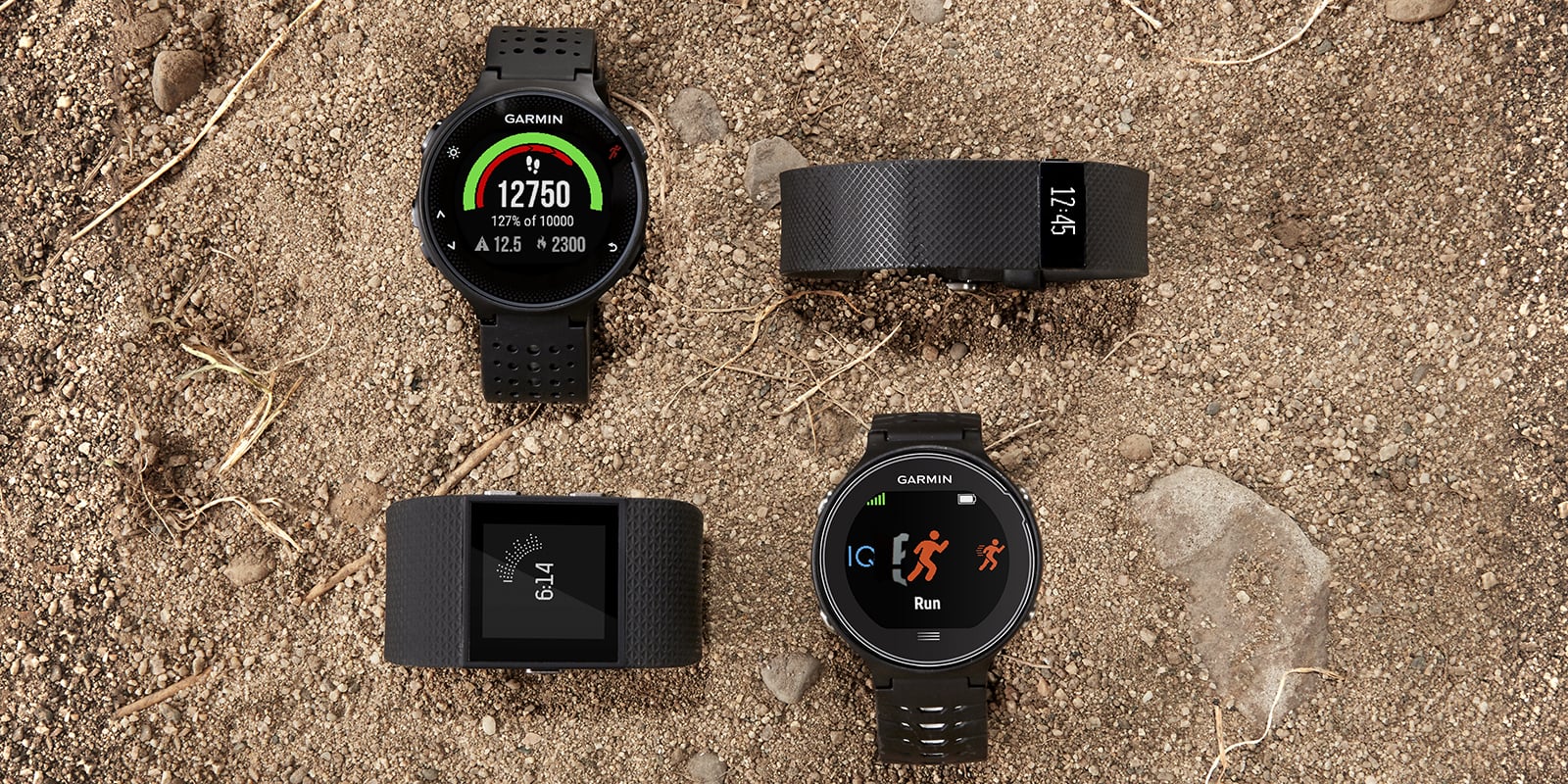
Introduction
Tracking daily cardio has become easier and more meaningful thanks to modern fitness trackers and smartwatches. These devices go far beyond counting steps — they continuously collect data like heart rate, activity duration, calories burned, and even estimates of aerobic fitness. By turning workouts into measurable insights, they help people understand how their bodies respond to exercise and how to improve over time.
Daily cardio tracking is not just for athletes; it’s valuable for anyone who wants to build endurance, manage weight, reduce stress, or maintain overall health. Wearable devices make it possible to monitor progress consistently, spot trends, and stay motivated through feedback and goal tracking. Research shows that wearable technology can provide actionable health data and encourage healthier lifestyle habits by making fitness progress visible and measurable. (Mayo Clinic MC Press)
Why Track Daily Cardio?
Tracking daily cardio helps you understand how much physical activity you’re actually getting and whether it’s enough to support your health goals. Monitoring metrics like duration, intensity, and frequency allows you to ensure you’re meeting recommended activity levels and progressing safely.
One key benefit is optimizing training intensity. By observing heart rate zones and workout duration, you can adjust effort to improve endurance without overtraining. Tracking also helps prevent injuries by encouraging gradual increases in workload rather than sudden spikes. (FitnessRec)
Another important reason is accountability. Seeing daily activity data motivates consistency — a critical factor for improving cardiovascular fitness. Over time, tracking reveals patterns such as improved stamina, faster recovery, or increased workout capacity, helping you stay committed to your routine.
How Fitness Trackers Improve Heart Health and Performance
Fitness trackers support heart health by providing continuous feedback about how your cardiovascular system responds to exercise. Real-time monitoring allows users to train within safe and effective intensity ranges, which improves endurance and reduces the risk of overexertion. Continuous heart rate tracking helps tailor workouts and can lead to faster improvements in aerobic capacity when intensity is adjusted based on data. (MoldStud)
Many devices also estimate VO₂ max — a key indicator of cardiorespiratory fitness that reflects how efficiently the body uses oxygen during exercise. Higher VO₂ max levels are associated with better stamina, improved cardiovascular health, and lower risk of chronic disease. (Healthline)
By tracking trends over time, wearables can help detect declines in fitness early and encourage lifestyle changes before health issues develop. They also act as motivational tools, providing reminders and progress updates that reinforce healthy habits. (TechBloat)
Key Features to Look For in a Cardio Fitness Tracker
Choosing the right fitness tracker requires understanding which features truly support cardio monitoring. The best devices combine accurate sensors, useful insights, and comfort for daily wear. Below are the most important features to consider.
Continuous Heart Rate Monitoring
Continuous heart rate monitoring is the foundation of cardio tracking. It measures how hard your heart is working during exercise and throughout the day, helping you stay within target zones for fat burning, endurance, or peak performance.
This feature enables smarter training decisions — for example, knowing when to push harder or when to recover. Real-time feedback improves workout efficiency and helps avoid excessive strain, making exercise safer and more effective. (MoldStud)
Built-in GPS for Distance Tracking
Built-in GPS allows accurate tracking of distance, pace, and route during outdoor activities like running, cycling, or walking. This is essential for measuring progress and setting performance goals.
GPS data helps you analyze improvements over time — such as running faster over the same distance — and ensures accurate calorie and effort estimates. It also eliminates the need to carry a smartphone during workouts, adding convenience.
VO₂ Max and Cardio Fitness Insights
VO₂ max is widely recognized as a key measure of aerobic fitness and overall cardiovascular health. It indicates how effectively your body uses oxygen during intense exercise and is strongly linked to endurance and long-term health outcomes. (Wikipedia)
Fitness trackers estimate VO₂ max using heart rate and activity data, giving users a practical way to monitor improvements without lab testing. Higher values typically reflect better stamina, improved heart function, and greater exercise capacity. (Healthline)
Tracking this metric over time can help guide training intensity and evaluate whether your cardio routine is improving your fitness level.
Calorie Burn Accuracy
Accurate calorie tracking is important for weight management and understanding energy expenditure. Fitness trackers estimate calories burned based on heart rate, movement, and personal data like age and weight.
While estimates are not perfect, they provide useful guidance for balancing calorie intake and activity levels. Monitoring energy expenditure helps users adjust workouts and nutrition plans to support goals like fat loss, endurance building, or maintenance.
Battery Life and Comfort
Because cardio tracking often requires all-day monitoring, battery life is a crucial factor. Devices with longer battery life reduce the need for frequent charging, ensuring continuous data collection.
Comfort is equally important — a lightweight, well-designed tracker encourages consistent wear, which leads to more accurate insights. If a device is uncomfortable, users are less likely to wear it regularly, reducing its effectiveness as a health tool.
Top Fitness Trackers for Daily Cardio Monitoring — Long Details
Garmin Devices — Advanced Training Metrics
Garmin is widely recognized for producing fitness trackers and sports watches designed for serious athletes and cardio enthusiasts. Devices like the Vivoactive and Venu series are known for offering highly detailed training metrics such as heart rate variability, VO₂ max estimates, recovery time, training load, and advanced running dynamics. These features allow users to understand not just how much cardio they are doing, but how effectively their body is adapting.
Garmin watches typically provide reliable heart rate and distance tracking, with strong performance in activity monitoring and long battery life compared to many competitors. (TechGearLab) Their ecosystem also includes tools like Garmin Connect, which delivers in-depth analytics and performance trends over time. Because of their durability and precise GPS capabilities, Garmin devices are especially popular among runners, cyclists, and endurance athletes who want data-driven insights to optimize training.
Fitbit Trackers — User-Friendly Health Insights
Fitbit focuses on making health tracking simple, accessible, and easy to understand. Devices like the Charge and Inspire series are praised for comfort, accurate tracking, and intuitive dashboards that present metrics such as daily activity, heart rate zones, sleep quality, and readiness scores. For example, trackers like the Charge line offer solid accuracy, comfortable design, and around a week of battery life, making them suitable for daily cardio monitoring. (Tom’s Guide)
Fitbit’s platform also emphasizes behavioral coaching, including features like Active Zone Minutes and personalized insights that help users stay motivated. Recent developments such as AI-powered coaching tools aim to provide tailored health suggestions based on user data, highlighting Fitbit’s focus on holistic wellness rather than just raw metrics. (TechRadar) This makes Fitbit ideal for beginners or anyone who wants actionable guidance without being overwhelmed by technical data.
Apple Watches — Comprehensive Health Ecosystem
Apple Watch models are known for integrating fitness tracking with a broader health ecosystem that includes ECG, activity rings, fall detection, and seamless integration with the Apple Health app. They provide accurate heart rate monitoring, built-in GPS, and detailed workout tracking, making them a strong choice for people who want both smartwatch features and cardio monitoring.
Apple devices are often praised for high data quality and polished software, and they consistently rank among top wearable options for overall performance and usability. (Tom’s Guide) Additionally, research comparing wearable accuracy has found Apple devices among those with lower heart rate error rates relative to some competitors. (arXiv) The trade-off is shorter battery life compared to dedicated sports watches, but many users value the seamless experience and health features.
Samsung Wearables — Strong Android Integration
Samsung’s Galaxy Watch and fitness bands offer a balanced combination of smart features and health tracking, especially for Android users. They integrate closely with Samsung Health, providing metrics such as heart rate, stress levels, sleep analysis, and workout tracking. Samsung devices are designed to fit naturally into the Android ecosystem, allowing users to receive notifications, control apps, and track workouts from one device.
These wearables are also used in research exploring health monitoring capabilities, demonstrating their growing role in real-world health data collection. (arXiv) While accuracy is generally good for everyday cardio tracking, some studies note variability compared to medical-grade measurements, reinforcing that they are best used for trends rather than precise diagnostics. (arXiv)
Amazfit Trackers — Budget-Friendly Options
Amazfit has become popular for offering feature-rich trackers at affordable prices. Many models provide built-in GPS, heart rate monitoring, multiple sport modes, and long battery life, often lasting several weeks on a single charge. Devices like the Active series are noted for lightweight comfort, comprehensive tracking features, and strong battery performance at a lower price point. (Verywell Fit)
Amazfit watches often appeal to users who want solid cardio tracking without paying premium prices. While they may lack the extensive app ecosystems of Apple or Samsung, they deliver excellent value and are suitable for general fitness and daily activity tracking.
Comparison Factors — Long Details
Accuracy of Heart Rate and GPS
Accuracy is one of the most important considerations when choosing a fitness tracker for cardio. Reliable heart rate monitoring ensures you can train within the correct intensity zones, while accurate GPS tracking helps measure distance and pace. Research comparing wearable devices shows differences in accuracy between brands, with some devices demonstrating lower error rates than others. (arXiv)
It’s important to remember that even the best consumer wearables can deviate from medical-grade measurements, especially during high-intensity workouts or in certain environmental conditions. Therefore, trackers should be used to monitor trends rather than exact values.
App Experience and Data Insights
The companion app plays a crucial role in turning raw data into meaningful insights. A well-designed app can display progress charts, training recommendations, and recovery metrics that help users stay motivated. Platforms like Garmin Connect and Fitbit’s app are known for offering detailed dashboards and personalized feedback, while Apple Health emphasizes seamless integration across devices.
An intuitive app can make the difference between occasionally checking your stats and consistently using your tracker to guide your fitness decisions.
Durability and Water Resistance
Durability matters, especially for outdoor cardio activities like running, cycling, or swimming. Many trackers offer water resistance suitable for swimming and sweat exposure, while rugged models include reinforced materials and higher resistance ratings. For example, some devices feature military-grade durability and extended battery life designed for outdoor adventures. (TechRadar)
Choosing a device with appropriate durability ensures it can handle your training environment without frequent repairs or replacements.
Price vs Features
Fitness trackers range from budget bands to premium smartwatches, and the best choice depends on your needs and goals. Budget options often cover essentials like steps, heart rate, and basic workouts, while higher-end models add advanced analytics, mapping, ECG, and smart features.
Evaluating price versus features helps you avoid paying for capabilities you won’t use while ensuring you get the tools necessary to support your cardio routine. Many experts recommend considering GPS needs, battery life, and desired insights when deciding which tracker offers the best value. (Tom’s Guide)
Tips for Using a Fitness Tracker Effectively — Long Details
Fitness trackers are powerful tools, but their effectiveness depends on how you use them. Simply wearing a device won’t improve your cardio or overall health — understanding the data and applying it to your workouts is key. Here’s a detailed guide on maximizing your tracker’s benefits.
Setting Daily Cardio Goals
Setting clear, realistic goals is the foundation of effective cardio tracking. Fitness trackers allow you to define daily step counts, active minutes, or calorie targets, but it’s important to tailor goals to your current fitness level and long-term objectives.
For example:
- Beginners: Start with a moderate target like 20–30 minutes of brisk walking or light jogging per day.
- Intermediate/Advanced Users: Focus on more structured goals such as achieving 150–300 minutes of moderate to vigorous cardio per week or reaching target heart rate zones during workouts.
Daily goals help maintain consistency, which is crucial for improving cardiovascular health and endurance. Many trackers provide reminders or notifications to encourage you to meet these goals, which reinforces healthy habits and keeps motivation high.
Interpreting Heart Rate Zones
Heart rate zones are one of the most valuable tools in cardio training. Most fitness trackers categorize heart rate into zones such as:
- Warm-Up/Easy Zone (50–60% of max HR): Good for gentle cardio and recovery.
- Fat-Burning Zone (60–70% of max HR): Supports weight loss and basic endurance.
- Cardio Zone (70–80% of max HR): Improves cardiovascular fitness and stamina.
- Peak Zone (80–90% of max HR): High-intensity training, boosts performance.
By understanding these zones, you can tailor workouts to meet specific goals — for instance, staying in the fat-burning zone for weight management or reaching the cardio zone to increase aerobic capacity. Trackers often display real-time feedback, making it easier to adjust intensity during exercise.
Tracking Progress Over Time
One of the greatest benefits of fitness trackers is the ability to monitor trends rather than just single workouts. Daily cardio tracking provides insights into:
- How your heart rate responds to activity over weeks or months.
- Changes in endurance and stamina.
- Patterns in recovery, sleep, and overall activity levels.
By reviewing this data, you can identify progress and areas that need improvement. Many apps allow users to create weekly or monthly reports, helping visualize improvements in distance, heart rate stability, and calorie expenditure. This long-term perspective is critical for sustaining motivation and avoiding plateaus.
Common Mistakes to Avoid
Even the best trackers can be misused, leading to inaccurate data or reduced effectiveness. Avoiding these common mistakes ensures you get the most value from your device.
Over-relying on Calorie Estimates
While fitness trackers provide estimates of calories burned, they are not perfect. Factors like metabolism, body composition, and workout intensity can affect accuracy. Using calorie counts as the sole measure of progress can be misleading.
Instead:
- Focus on trends rather than exact numbers.
- Combine calorie tracking with other indicators, such as heart rate data, performance improvements, or body measurements.
- Use the data as a guide rather than a strict rule.
Ignoring Recovery Metrics
Many trackers now provide recovery-related insights, including heart rate variability, sleep tracking, and readiness scores. Ignoring these metrics can lead to overtraining, fatigue, or injury.
Tips:
- Pay attention to notifications about insufficient recovery.
- Adjust your cardio intensity or take rest days based on recovery insights.
- Use recovery metrics to optimize performance rather than just completing workouts.
Wearing the Device Incorrectly
Incorrect wear can reduce the accuracy of heart rate and activity data. Common mistakes include:
- Wearing the device too loose or too tight.
- Positioning the tracker incorrectly on the wrist or forearm.
- Removing the tracker frequently during activity.
For best results:
- Wear the tracker snugly on the wrist, just above the wrist bone.
- Ensure the sensor maintains consistent contact with the skin.
- Follow manufacturer guidelines for placement during specific workouts.
Proper placement ensures accurate heart rate readings, step counts, and calorie estimates, making your cardio tracking data much more reliable.
Using your fitness tracker effectively is about more than collecting data — it’s about interpreting insights, setting realistic goals, and integrating the device into your lifestyle. By avoiding common mistakes and focusing on actionable metrics, you can maximize the impact of your workouts and steadily improve your cardiovascular health.
Conclusion — Long Details
Monitoring your daily cardio with a fitness tracker can transform the way you approach exercise and overall health. From tracking heart rate to measuring distance, calories, and VO₂ max, these devices provide actionable insights that help you make informed decisions about your workouts. Whether your goal is weight loss, improved endurance, or simply maintaining a consistent activity routine, using a fitness tracker effectively can guide you toward measurable progress.
Summary of Best Options
When choosing the best fitness tracker for daily cardio monitoring, consider your priorities, lifestyle, and budget:
- Garmin Devices – Ideal for serious athletes or users who want advanced training metrics like VO₂ max, recovery times, and heart rate variability. Excellent GPS accuracy and long battery life make them perfect for outdoor cardio.
- Fitbit Trackers – Best for beginners or those seeking user-friendly insights. Offers simple dashboards, activity reminders, and wellness features like sleep tracking. Great for tracking trends and staying motivated.
- Apple Watches – Offers a comprehensive health ecosystem with accurate heart rate monitoring, built-in GPS, and a wide range of health features. Perfect for users already integrated into Apple’s ecosystem.
- Samsung Wearables – Strong Android integration with reliable cardio tracking and health analytics. Offers convenience, notifications, and app-based coaching. Ideal for Android users.
- Amazfit Trackers – Budget-friendly options that deliver reliable heart rate monitoring, GPS tracking, and long battery life. Best for users seeking value without compromising essential cardio features.
Each of these options offers a unique combination of features, comfort, and ecosystem integration, allowing users to select the device that best fits their needs and goals.
Final Tips for Staying Consistent with Cardio Tracking
Consistency is the key to reaping the benefits of daily cardio. Even the most advanced tracker cannot improve your fitness unless you use it regularly and interpret its data wisely. Here are strategies to stay consistent:
- Set Realistic Daily Goals – Start with manageable cardio targets and gradually increase intensity or duration over time. Use your tracker’s reminders to stay on track.
- Monitor Heart Rate Zones – Train intentionally by following heart rate zones suitable for your goals. Adjust intensity in real time to maximize efficiency.
- Review Progress Regularly – Track weekly or monthly trends rather than focusing on single-day metrics. Celebrate improvements in endurance, distance, or heart rate stability.
- Incorporate Recovery – Respect rest days and monitor recovery metrics provided by your tracker. Overtraining can lead to fatigue or injury, reducing long-term consistency.
- Wear Your Tracker Correctly – Ensure proper placement for accurate readings. Consistent wear improves reliability of heart rate, calorie, and activity data.
- Use Data to Motivate, Not Obsess – Fitness trackers are guides, not strict rules. Focus on trends, improvements, and health benefits rather than perfection.
- Pair with Lifestyle Habits – Combine tracking with good nutrition, hydration, and sleep to maximize cardio performance and overall health.
By following these tips and selecting the right device for your needs, fitness trackers can become an indispensable tool in achieving and maintaining cardiovascular fitness. They provide clarity, motivation, and measurable progress, making daily cardio more effective, enjoyable, and sustainable.