 By Daily Fitness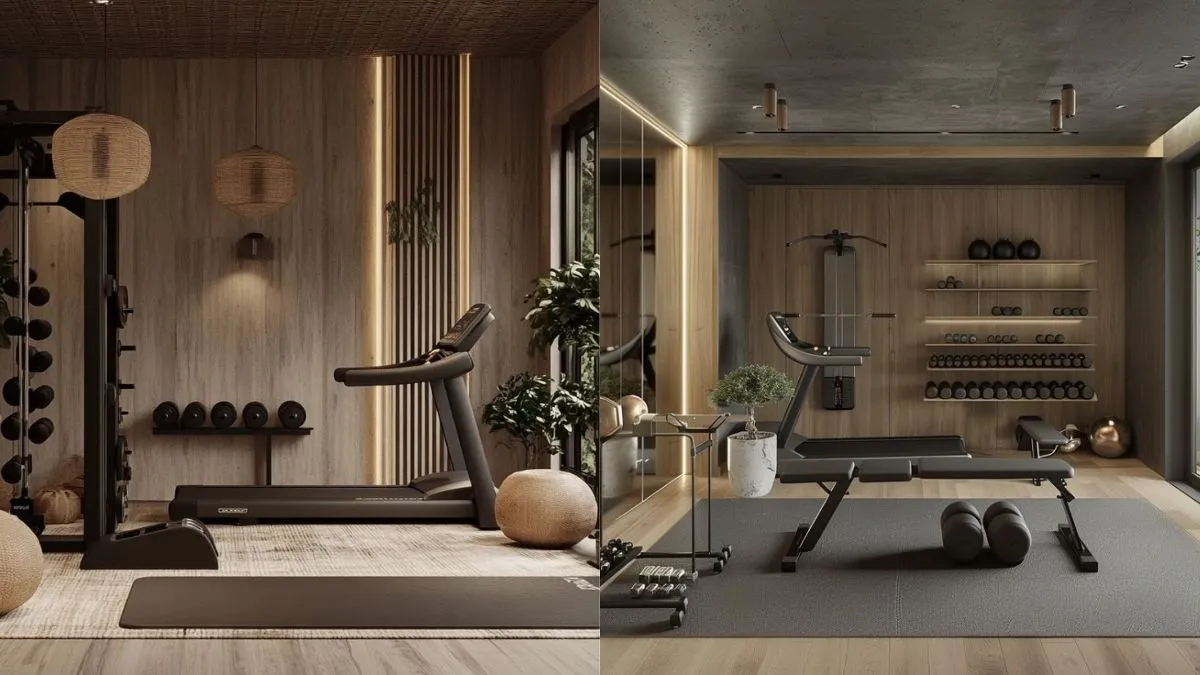
Introduction to Home Strength Training
Benefits of setting up a home gym, convenience, and long-term savings
Home strength training has become increasingly popular because it offers flexibility, privacy, and control over your fitness routine. A home gym allows you to train consistently without worrying about commute times, crowded facilities, or gym schedules. Whether you’re a beginner building foundational strength or someone maintaining an active lifestyle, having equipment at home makes it easier to stay committed.
One of the biggest advantages is convenience. You can work out whenever it fits your day — early morning, during lunch breaks, or late at night — which removes one of the most common barriers to exercise. This flexibility often leads to better adherence and more consistent progress.
Another major benefit is long-term savings. While there’s an upfront investment in equipment, you avoid monthly membership fees, travel costs, and other recurring expenses. Over time, a home gym can be more cost-effective, especially if multiple family members use it.
Training at home also provides a comfortable environment where you can focus on learning proper form without feeling self-conscious. You can customize your space, play your preferred music, and design workouts tailored to your goals — whether that’s building muscle, increasing endurance, or improving overall health.
Essential Strength Training Equipment
Overview of must-have gear for beginners and regular workouts
Building a home gym doesn’t require filling a room with machines. The key is choosing versatile equipment that supports a wide range of movements and allows for progressive overload — gradually increasing resistance to stimulate muscle growth.
Essential strength equipment should enable you to train all major muscle groups: legs, chest, back, shoulders, arms, and core. Starting with a few foundational tools helps you build a solid routine without overwhelming your space or budget. As your strength improves, you can add more specialized gear.
Look for equipment that is durable, adjustable, and suitable for multiple exercises. This ensures you get maximum value and flexibility. For beginners, simple tools like dumbbells and resistance bands are enough to start. More experienced lifters may benefit from barbells, racks, and heavier weights to continue progressing.
Dumbbells (Adjustable or Fixed)
Versatility for full-body strength exercises
Dumbbells are one of the most versatile pieces of strength training equipment you can own. They allow for both unilateral (one side at a time) and bilateral exercises, helping improve muscle balance, coordination, and stability.
With dumbbells, you can perform a wide range of movements such as squats, lunges, presses, rows, curls, and shoulder raises. This makes them ideal for full-body workouts, whether you’re focusing on strength, hypertrophy, or endurance.
Adjustable dumbbells are particularly useful for home gyms because they save space and allow you to change resistance quickly. Fixed dumbbells, on the other hand, are convenient for quick transitions during circuit training. Using dumbbells also engages stabilizer muscles more than many machines, contributing to functional strength that translates to daily activities.
They are suitable for all fitness levels — beginners can start with lighter weights to learn technique, while advanced users can progressively increase load to challenge their muscles.
Resistance Bands
Portable option for strength and mobility training
Resistance bands are lightweight, affordable, and incredibly effective for strength training, rehabilitation, and mobility work. They provide variable resistance, meaning the tension increases as the band stretches, which helps maintain constant muscle engagement throughout the movement.
Bands are excellent for beginners because they are low-impact and easy to control, reducing the risk of injury. They can be used for exercises like banded squats, rows, chest presses, glute bridges, and shoulder work. They’re also ideal for warm-ups and activation drills to prepare muscles before heavier lifting.
Another advantage is portability — resistance bands can be used anywhere, making them perfect for small spaces or travel. They also complement other equipment by adding extra resistance or assisting with movements like pull-ups.
In addition, bands are valuable for improving flexibility and joint stability, making them an essential tool for maintaining overall movement health.
Kettlebells
Functional strength and explosive movements
Kettlebells are designed for dynamic, functional training that builds strength, power, and endurance simultaneously. Their unique shape shifts the center of gravity, requiring more control and engaging stabilizing muscles during exercises.
Common kettlebell movements include swings, goblet squats, Turkish get-ups, cleans, and presses. These exercises train multiple muscle groups at once and improve coordination, grip strength, and cardiovascular fitness.
Kettlebell training is particularly effective for developing posterior chain strength — the muscles of the back, glutes, and hamstrings — which are crucial for posture and injury prevention. The explosive nature of many kettlebell exercises also enhances athletic performance and calorie burn.
Because they combine strength and conditioning, kettlebells are ideal for people who want efficient workouts that deliver maximum results in less time.
Barbell & Weight Plates
Progressive overload for serious strength gains
A barbell with weight plates is the cornerstone of serious strength training. It allows you to lift heavier loads safely and perform compound movements like squats, deadlifts, bench presses, and overhead presses — exercises known for building overall muscle mass and strength.
Barbells are ideal for progressive overload because you can increase weight in small increments, ensuring steady progress. This makes them suitable for intermediate and advanced lifters aiming to push their limits and achieve measurable improvements.
Training with a barbell also promotes full-body coordination and engages multiple muscle groups simultaneously, leading to efficient workouts. With proper technique and safety measures, barbell training can significantly enhance bone density, muscle growth, and functional strength.
Adding a barbell setup to your home gym transforms it into a more complete training environment, allowing you to follow structured strength programs and continue advancing over time.
Supportive Workout Gear
Accessories that improve comfort and safety
Supportive workout gear plays a crucial role in making your home strength training both effective and safe. While primary equipment like dumbbells and barbells provide resistance, supportive accessories enhance stability, protect your body, and allow you to perform exercises with proper form. Investing in these tools helps reduce injury risk, improve workout efficiency, and create a more comfortable training environment.
These accessories also make your workouts more versatile. With the right supportive gear, you can perform a wider range of exercises, target muscles from different angles, and maintain better posture during lifts. Whether you’re lifting heavy weights or doing bodyweight training, supportive equipment ensures you can train consistently without unnecessary strain on joints or muscles.
Workout Bench
Flat/incline options for varied exercises
A workout bench is one of the most valuable additions to any home gym because it significantly expands your exercise options. A sturdy bench allows you to perform pressing movements, rows, step-ups, and core exercises with proper support. Adjustable benches that offer flat, incline, and sometimes decline positions are especially useful because they let you target muscles from multiple angles.
For example, a flat bench is ideal for chest presses and dumbbell rows, while an incline bench emphasizes the upper chest and shoulders. Having back support during these exercises helps maintain correct posture and reduces stress on the lower back.
A high-quality bench should be stable, well-padded, and capable of supporting your body weight plus the load you’re lifting. Foldable benches are a great option if you have limited space, allowing you to store them easily when not in use. Overall, a workout bench enhances both comfort and performance, making it easier to progress in your strength training routine.
Squat Rack or Power Rack
Safe heavy lifting setup
A squat rack or power rack is essential if you plan to lift heavier weights, especially with a barbell. These structures provide adjustable safety bars or spotter arms that catch the bar if you fail a lift, significantly reducing the risk of injury. This added security allows you to train with confidence and push your limits safely.
Squat racks are commonly used for exercises like squats, bench presses, overhead presses, and rack pulls. A power rack, which is more enclosed, offers additional safety features and attachments such as pull-up bars, dip handles, and cable systems, making it a versatile centerpiece for a home gym.
Using a rack also helps ensure proper bar positioning and setup, which improves lifting mechanics and efficiency. When choosing one, consider factors like build quality, weight capacity, and available space. Investing in a reliable rack creates a professional training environment at home and supports long-term strength development.
Pull-Up Bar
Upper body and core strengthening
A pull-up bar is a simple yet highly effective tool for building upper body strength and improving grip. Pull-ups and chin-ups target the back, shoulders, arms, and core, making them one of the best bodyweight exercises you can include in your routine.
Pull-up bars come in various styles, including doorway-mounted, wall-mounted, and rack-attached options. Even a compact bar can provide a challenging workout, helping develop functional strength that carries over into daily activities and other lifts.
Beyond pull-ups, you can use the bar for hanging leg raises, knee tucks, and dead hangs to improve core stability and shoulder mobility. Regular use strengthens posture muscles and helps counteract the effects of prolonged sitting.
Because it requires minimal space and offers significant benefits, a pull-up bar is an excellent addition for anyone aiming to build a balanced and strong physique.
Exercise Mat
Floor protection and joint support
An exercise mat is often overlooked, but it’s essential for comfort and safety during floor-based exercises. It provides cushioning that reduces pressure on joints during movements like planks, push-ups, stretching, and core workouts. This makes sessions more comfortable and encourages longer, more consistent training.
Mats also protect your flooring from scratches, sweat, and impact, especially when using weights. A non-slip surface improves stability, reducing the risk of slipping during exercises that require balance or dynamic movement.
Thicker mats are ideal for activities involving kneeling or stretching, while high-density mats work well for strength training and stability exercises. Easy-to-clean materials help maintain hygiene, particularly if you train frequently.
Including a quality exercise mat in your home gym ensures a safer and more enjoyable workout experience while protecting both your body and your space.
Space & Storage Solutions
Keeping your home gym organized
An organized home gym not only looks better but also improves safety, efficiency, and motivation. When equipment is stored properly, you reduce clutter, minimize tripping hazards, and make it easier to transition between exercises. A clean, well-arranged space helps you stay focused and encourages consistent workouts because everything you need is easily accessible.
Good storage solutions also protect your equipment from damage. Weights, bands, and accessories last longer when stored correctly, saving you money in the long run. Whether you have a dedicated workout room or just a small corner, smart organization ensures you can train comfortably without feeling cramped.
Creating zones — such as a lifting area, stretching space, and storage section — can make your home gym feel more functional and professional. Even simple steps like wall hooks, shelves, or storage bins can transform your setup into a tidy and efficient training environment.
Weight Storage Racks
Safe storage for plates and dumbbells
Weight storage racks are essential for keeping heavy equipment secure and off the floor. Proper storage prevents accidental trips or injuries and makes it easier to find and switch weights during workouts. It also helps maintain a neat and professional appearance in your training space.
Dumbbell racks allow you to organize weights by size, making it simple to grab the right pair quickly. Plate storage trees or vertical racks keep weight plates stacked safely and prevent unnecessary strain from lifting them off the ground repeatedly.
Using storage racks also protects your flooring from dents and scratches caused by heavy equipment. Many racks are designed to be compact yet sturdy, supporting significant weight without taking up too much room. For anyone using free weights regularly, a storage rack is a practical investment that enhances both safety and convenience.
Compact Equipment Options
Ideas for small spaces
Not everyone has a dedicated room for a home gym, but with compact equipment, you can still create an effective workout space. Choosing multi-functional and foldable gear allows you to maximize functionality without sacrificing living space.
Adjustable dumbbells, foldable benches, and resistance bands are excellent options because they provide a wide range of exercises while taking up minimal room. Wall-mounted racks or fold-away squat racks can free up floor space when not in use. Stackable storage bins can hold smaller accessories like bands, gloves, and straps.
Another smart strategy is to use vertical space — installing shelves or hooks keeps equipment organized and out of the way. Portable gear also makes it easy to move your workout setup as needed. With thoughtful planning, even a small apartment or shared space can support a consistent strength training routine.
Recovery & Mobility Tools
Supporting muscle recovery and flexibility
Recovery and mobility tools are just as important as strength equipment because they help your body repair, adapt, and stay injury-free. After workouts, muscles experience small amounts of stress and tension, and proper recovery supports healing and growth. Incorporating recovery tools into your routine can reduce soreness, improve flexibility, and enhance overall performance.
Mobility work also improves joint range of motion, allowing you to move more efficiently and maintain proper technique during exercises. Regular recovery sessions can prevent stiffness, reduce fatigue, and help you train more frequently without discomfort.
By prioritizing recovery, you create a balanced fitness routine that supports long-term progress rather than short bursts of intense training followed by burnout or injury.
Foam Roller
Muscle release and soreness relief
A foam roller is one of the most popular recovery tools for relieving muscle tightness and improving circulation. It works through self-myofascial release — applying gentle pressure to muscles to reduce tension and break up knots. This process can help improve flexibility and speed up recovery after intense workouts.
Foam rolling is commonly used on areas like the calves, thighs, glutes, back, and shoulders. Regular use can reduce delayed onset muscle soreness (DOMS), making it easier to stay consistent with training. It also promotes better movement patterns by loosening tight muscles that may restrict mobility.
Using a foam roller before workouts can serve as a warm-up, while post-workout sessions help relax muscles and support recovery. It’s a simple, affordable tool that delivers significant benefits for both beginners and experienced athletes.
Massage Balls or Recovery Tools
Targeted muscle care
Massage balls and similar recovery tools provide targeted relief for areas that need more precise attention than a foam roller can offer. These tools are especially effective for small or hard-to-reach muscles, such as the feet, hips, upper back, and shoulders.
By applying focused pressure, massage balls help release deep muscle tension and improve blood flow. They are useful for addressing tight spots, trigger points, and minor discomfort caused by repetitive movements or intense training. Many people also use them to relieve foot fatigue or tension from prolonged standing or sitting.
Compact and easy to use, massage balls can be incorporated into daily routines, whether you’re warming up, cooling down, or taking short recovery breaks. Including targeted recovery tools in your home gym helps maintain muscle health, improve comfort, and support consistent progress over time.
Tech & Tracking Essentials
Tools to monitor progress
Technology has transformed the way people approach strength training by making it easier to track progress, stay motivated, and optimize workouts. Incorporating tech tools into your home gym helps you measure improvements in strength, endurance, and consistency, turning your training into a more structured and goal-oriented process.
Tracking your workouts provides valuable insights into what’s working and where adjustments are needed. Whether you’re monitoring the amount of weight lifted, number of repetitions, rest periods, or recovery patterns, data helps you make informed decisions that lead to better results over time.
Tech tools also boost accountability. Seeing your progress recorded — whether it’s increasing weights or maintaining a streak — can be highly motivating and reinforce positive habits. Additionally, many apps and devices offer reminders, guided workouts, and performance summaries, making it easier to stay on track even when training alone at home.
By integrating technology into your routine, you create a feedback loop that supports continuous improvement and keeps your strength training engaging and effective.
Fitness Tracker or App
Tracking workouts and performance
Fitness trackers and workout apps are powerful tools for monitoring your daily activity, exercise performance, and overall fitness trends. Wearable devices can track metrics such as heart rate, calories burned, step count, sleep quality, and workout duration, giving you a comprehensive view of your health and training load.
Popular devices like the Apple Watch Series 9 and Fitbit Charge 6 help users monitor workouts in real time and review progress afterward. These insights can help you understand how your body responds to different training intensities and recovery periods.
Workout apps such as MyFitnessPal and Strong App allow you to log exercises, sets, reps, and weights, making it easier to apply progressive overload — a key principle for building strength. Over time, you can review your training history, identify plateaus, and adjust your routine accordingly.
Using a tracker or app also encourages consistency. Many platforms offer goal setting, achievement badges, and reminders, which can keep you motivated and focused on long-term progress. For beginners, guided workout features provide structure, while experienced lifters benefit from detailed analytics and customization.
Timer or Interval App
Structuring strength sessions
A timer or interval app is a simple yet highly effective tool for organizing your workouts and ensuring proper rest periods. Rest timing plays a crucial role in strength training because it affects performance, recovery, and workout efficiency. Using a timer helps maintain discipline and prevents workouts from becoming too rushed or overly extended.
Interval timers are particularly useful for circuit training, supersets, and high-intensity sessions. They allow you to set specific work and rest intervals, helping you stay focused and maintain a steady pace. This structure can improve endurance and make workouts more productive, especially when time is limited.
Apps like Seconds Interval Timer and Tabata Timer provide customizable alerts, countdowns, and visual cues that keep you on schedule without needing to constantly check the clock.
Using a timer also helps you track total workout duration and ensures you’re resting enough between heavy lifts, which supports better performance and reduces injury risk. Over time, structured timing improves workout quality and helps you develop a more disciplined training routine.
Safety Tips for Home Strength Training
Proper form, warm-ups, and injury prevention
Safety should always be a top priority when training at home. Without trainers or spotters readily available, it’s important to build habits that protect your body and allow you to progress without setbacks. Practicing proper form, preparing your body with warm-ups, and using equipment responsibly can significantly reduce the risk of injuries.
Focus on proper form first.
Before increasing weight or intensity, take time to learn correct movement patterns. Poor technique can place unnecessary stress on joints and muscles, leading to strains or long-term issues. Move slowly and with control, especially when learning new exercises, and consider recording yourself to check posture and alignment.
Always warm up before workouts
. A proper warm-up increases blood flow, loosens muscles, and prepares your nervous system for physical activity. Dynamic movements like arm circles, bodyweight squats, light cardio, or resistance band exercises can help activate key muscle groups and improve performance.
Progress gradually.
Avoid the temptation to lift too heavy too soon. Gradual increases in resistance allow your muscles, tendons, and joints to adapt safely. Following a structured progression plan reduces the risk of overuse injuries and burnout.
Use safety equipment when needed.
If you’re lifting heavy weights, use a squat rack with safety bars or ensure you have a safe way to bail out of lifts. Keep your workout area clear of obstacles to prevent slips or trips.
Listen to your body.
Mild soreness is normal, but sharp pain or persistent discomfort is a sign to stop and reassess. Rest days are essential for recovery and muscle growth, so include them in your routine.
Stay hydrated and maintain good breathing.
Proper hydration supports muscle function, while controlled breathing — exhaling during exertion and inhaling during lowering — helps maintain stability and reduces strain.
By prioritizing safety, you create a sustainable training routine that supports steady progress and long-term health.
Conclusion
Final recommendations for building a sustainable home gym
Building a home gym is an investment in your health, convenience, and long-term fitness journey. By selecting versatile equipment, organizing your space effectively, and incorporating supportive and recovery tools, you can create an environment that encourages consistency and progress.
Start simple and focus on the essentials that match your goals and available space. Over time, you can expand your setup as your strength and confidence grow. Remember that consistency matters more than having the most advanced equipment — even a modest setup can deliver excellent results when used regularly.
Make your home gym a place you enjoy spending time in. Keep it clean, well-organized, and motivating, whether that means adding good lighting, music, or a clear workout plan. Tracking your progress and celebrating small milestones can help maintain momentum and keep you engaged.
Most importantly, prioritize balance. Combine strength training with proper recovery, mobility work, and healthy lifestyle habits to support overall well-being. With thoughtful planning and a commitment to safe training practices, your home gym can become a powerful tool for building strength, improving health, and maintaining a sustainable fitness routine for years to come.