 By Daily Fitness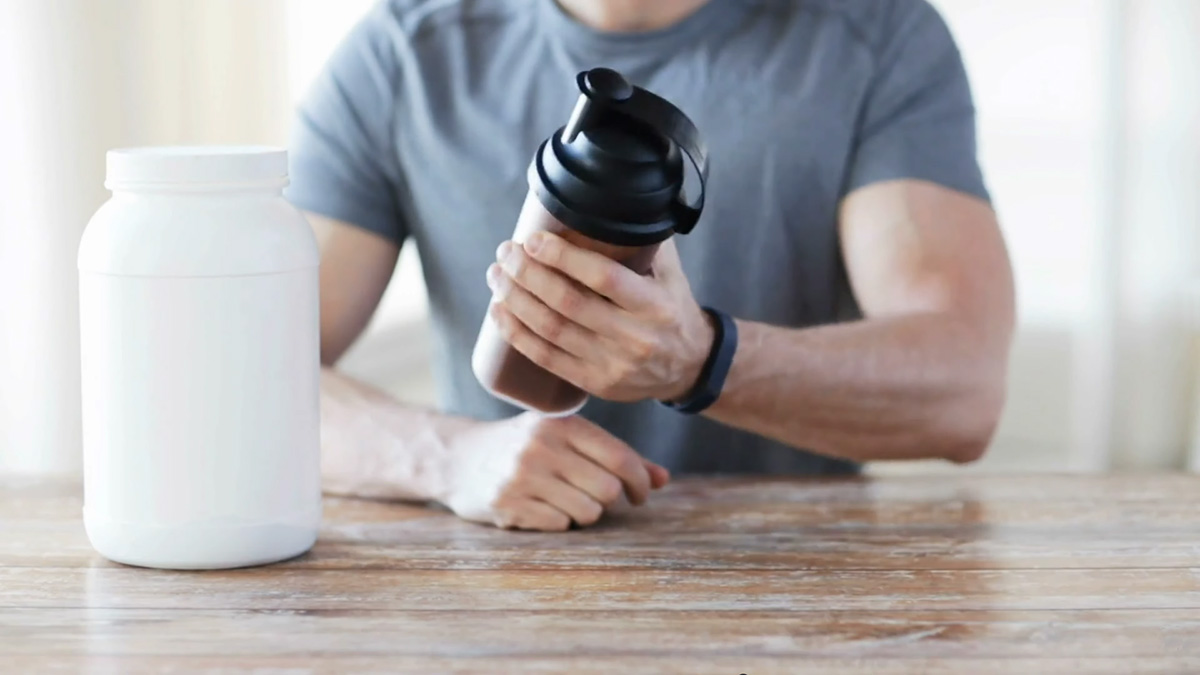
Introduction: Why Shakers & Recovery Supplements Matter
Whether you’re training for strength, fat loss, endurance, or just a healthier lifestyle, post-workout recovery plays a huge role in how your body responds to exercise. Proper recovery supports muscle repair, reduces soreness, and helps you bounce back stronger the next day — and that’s where protein shakers and recovery supplements come in.
A quality shaker bottle makes it easy to mix protein powder and other supplements smoothly and efficiently — especially when you’re on the go or heading straight from the gym or workout session to work, errands, or home life. A good shaker ensures clump-free drinks, convenient transport, and hydration in one simple tool. (Verywell Fit)
Recovery supplements — like whey protein, creatine, BCAAs, electrolytes, and glutamine — help replenish nutrients your body uses during workouts, support muscle regeneration, reduce exercise-induced fatigue, and improve hydration and immune response. Together with a proper shaker, they streamline your post-exercise routine and keep your body fueled and ready for the next session.
How Protein and Recovery Supplements Work
Protein Supplements
Protein is essential for repairing and building muscle fibers that break down during exercise. When you consume protein soon after a workout, it provides the amino acids your body needs for muscle protein synthesis — the process of rebuilding muscle tissue stronger than before.
Common protein supplement types include:
- Whey protein: Fast-digesting and ideal post-workout
- Whey isolate or hydrolysate: Even faster absorption, low in fats and lactose
- Plant-based proteins: Great for vegans or those who prefer plant sources
Protein powders mixed in shakers offer a quick, convenient way to boost your daily protein intake without elaborate meal prep.
Other Recovery Supplements
- Creatine: Helps replenish energy stores in muscles so you can lift heavier and recover faster
- Electrolytes: Replace lost minerals (sodium, potassium) for hydration and muscle function
- BCAAs (Branched-Chain Amino Acids): Can help reduce muscle fatigue during prolonged workouts
- L-Glutamine: Supports immune function and muscle repair
Taking these in a shake form after workouts makes nutrient timing easy and effective.
Best Protein Shakers — Features to Look For
Protein shaker bottles may seem simple, but the best ones pack smart design features that improve convenience, durability, cleanliness, and mixing performance. Whether you’re carrying shakes to the gym, work, or travel, choosing the right one enhances your recovery routine.
Here are the critical features and materials to consider: (SportSurge)
Stainless Steel Shakers (Durable & Long-Lasting)
Stainless steel shaker bottles are premium, robust options that excel in durability, odor resistance, and temperature control. Unlike plastic, stainless steel doesn’t warp, crack, or absorb smells over time — which helps keep your drinks tasting fresh even after repeated use. (australianco.com.au)
Key Advantages
- Superior durability: Resists dents, scratches, and long-term wear
- Hygiene: Non-porous surface resists odors and bacteria buildup
- Temperature retention: Many stainless models are insulated to keep drinks cold longer — great for hot weather or long days out (Beyond Shakers)
- Health safety: Stainless steel doesn’t leach chemicals into liquids
The trade-off is often weight and cost — steel models tend to be heavier and pricier than plastic. But for daily use and longevity, many fitness enthusiasts find them worth the investment for clump-free shakes and hassle-free cleaning.
BPA-Free Plastic Shakers (Lightweight & Affordable)
Plastic protein shakers are the most popular and affordable choices — especially if you want something lightweight, easy to carry, and gym-friendly.
Today’s premium plastic shakers are made from BPA-free materials like Tritan™ or polypropylene, which are designed to be safe and resistant to cracking. (Alibaba)
Why People Choose BPA-Free Plastic
- Lightweight and portable: Easy to throw in gym bags, backpacks, or car cup holders
- Affordable: Great options for simple daily use
- Easy to handle: Comfortable grip, often transparent to see your liquid level
- Dishwasher safe: Many models withstand regular cleaning
Things to Watch
- Plastic can absorb odors or staining over time if not cleaned properly (RecipesRhapsody)
- Lower-grade plastics can suffer scratches that trap residue
- Some shakers might degrade faster than metal options
Still, for most users, a BPA-free plastic shaker bottle hits the sweet spot of convenience, performance, and price — especially if you replace it every year or store it well.
Shakers with Storage Compartments (Convenient for On-the-Go)
Modern shaker bottles increasingly include built-in storage compartments — a game-changer for anyone who mixes shakes away from home. (Verywell Fit)
What These Features Do
- Powder storage: Carry pre-measured protein powder for instant shakes
- Supplement sections: Store creatine, vitamins, or BCAAs until you’re ready to mix
- Snack space: Some designs even hold small snacks — perfect for long gym days or travel
Why It Matters
Shakers with storage eliminate the need for multiple containers. If you train early before work, carry supplements all day, or travel frequently, these all-in-one bottles save space, hassle, and time — making consistent nutrition far easier.
Final Takeaways
A quality protein shaker bottle is more than just a container — it’s a reliable partner in your recovery routine. The best ones:
✔ Blend powders smoothly with minimal clumps
✔ Stay clean, leak-free, and odor-free
✔ Match your lifestyle (lightweight for travel, insulated for long days, storage-equipped for convenience)
Whether you choose stainless steel for durability and hygiene, BPA-free plastic for lightweight daily use, or a storage-equipped shaker for maximum convenience, the right bottle helps keep your recovery on track and your goals within reach.
Top Protein Supplements for Daily Recovery
Protein is foundational for repair, growth, and recovery. After exercise, muscles undergo micro-tears that need amino acids to rebuild stronger — and protein supplements make that process easier, faster, and more convenient for daily use.
Whey Protein (Fast Absorbing for Muscle Repair)
What It Is
Whey protein is a complete protein derived from milk. It contains all nine essential amino acids, which the body cannot make on its own, and is absorbed quickly in the digestive system.
Key Benefits
- ⚡ Fast absorption: Whey enters the bloodstream quickly, making it ideal immediately after workouts
- 💪 Promotes muscle protein synthesis: Helps repair and grow muscle tissue
- 🦠 Rich in leucine: A key amino acid that triggers recovery pathways
- 🏃 Great for most goals: Whether strength, fat loss, or performance
How It Works
After resistance training or heavy activity, your muscles are most receptive to nutrients. Whey provides a rapid supply of amino acids to kick-start recovery during this “anabolic window.”
When to Use
- Within 30–60 minutes after training
- As a protein boost on busy days
- Mixed with water, milk, or smoothies
Whey Isolate & Hydrolyzed Proteins (Quick Recovery)
While standard whey protein is excellent, whey isolate and hydrolyzed whey are engineered for even faster absorption and purity.
Whey Isolate
- 🔎 Higher protein concentration (>90%)
- 🥛 Lower in fats and lactose
- 📈 Ideal for those sensitive to dairy or watching calories
Hydrolyzed Whey
- 🔬 Predigested protein
- ⚡ Absorbed even faster than isolate
- 💨 Less likely to cause digestive discomfort
Why They Matter
These forms are perfect if you:
- Have sensitive digestion
- Want rapid amino acid delivery
- Need a leaner protein source
- Are training very frequently
When to Use
- Post-workout for quick recovery
- During high-intensity training periods
- When standard whey causes bloating
Plant-Based Protein Options
Plant proteins are ideal for vegans, vegetarians, or anyone who prefers non-dairy sources. Common plant proteins include pea, rice, hemp, soy, and blended plant formulas.
Key Benefits
- 🌿 Animal-free: Good for ethical or dietary preferences
- 🧘 Gentle on digestion: Less bloating for some users
- 🌾 Blends can be complete protein: Pea + rice combinations cover all essential amino acids
Best Choices
- Pea protein: High in BCAAs, good texture
- Hemp protein: Contains healthy fats and fiber
- Soy protein: Complete amino acid profile
When to Use
- After workouts (timing less crucial than total daily protein)
- As a meal supplement or snack
- With smoothies or shakes
Why Protein Matters Daily
Regardless of goal — muscle gain, weight loss, endurance, or overall health — hitting your daily protein target supports:
- Muscle repair and growth
- Metabolism and satiety
- Immune function
- Better recovery between sessions
A protein shake ensures you can reach daily targets even on hectic days.
Additional Recovery Supplements
While protein is essential, other supplements can further support hydration, muscle function, and recovery pathways.
Creatine Monohydrate (Strength & Recovery Support)
What It Is
Creatine is one of the most studied and effective performance supplements. It’s naturally found in muscles and helps regenerate ATP — the energy molecule your muscles use during short bursts of effort.
Key Benefits
- 💪 Increases strength and power
- 🔄 Supports faster recovery between sets and workouts
- 🧠 May improve cognitive performance
- 🦴 Safe and well-researched
How It Works
Creatine provides rapid energy for high-intensity activities and helps muscles replenish faster post-exercise. It also draws water into muscle cells, supporting volume and nutrient delivery.
When to Use
- Daily (3–5g per day is standard)
- Can be taken any time — consistency matters more than timing
- Helps especially for strength, HIIT, and resistance training
Electrolytes (Rehydration & Performance)
What They Are
Electrolytes are minerals (sodium, potassium, magnesium, calcium) that regulate:
- Fluid balance
- Muscle contractions
- Nerve function
Why They Matter
When you sweat, you lose fluids and electrolytes. Replacing both helps:
- Reduce cramps
- Maintain performance
- Improve rehydration
- Support recovery after intense workouts
When to Use
- During or after heavy sweating
- On hot or long training days
- With prolonged activity (runs, long workouts, sports)
L-Glutamine (Muscle Repair & Immune Support)
What It Is
Glutamine is an amino acid the body uses for:
- Muscle repair
- Immune system function
- Gut health
Key Benefits
- 🦴 Supports recovery after intense training
- 🛡 May strengthen immune response
- 🤝 Helps maintain muscle in calorie-restricted phases
When to Use
- After heavy training sessions
- In recovery phases
- During periods of high-stress or frequent workouts
BCAAs (Optional for Endurance/Recovery)
What They Are
BCAAs (Leucine, Isoleucine, Valine) are amino acids often marketed for muscle preservation.
Key Roles
- May help reduce fatigue during long sessions
- Can support muscle protein synthesis
- Useful when training fasted
When They’re Most Helpful
BCAAs are optional if:
- You already hit daily protein targets
- You train long endurance sessions
- You want intra-workout support
Final Takeaways
Protein First
Your foundation for recovery is protein — enough daily intake matters more than timing most days.
Supplements Support, Not Replace
Creatine, electrolytes, glutamine, and optional BCAAs can enhance your recovery on top of a solid protein and nutrition base.
Consistency Wins
Take the supplements you need daily or around workouts — but focus on steady routines, hydration, balanced meals, and good sleep.
How to Choose Shakers & Supplements Based on Your Goals
Recovery isn’t one-size-fits-all. Your training style, schedule, digestion, and primary goal all influence what works best for you. Instead of buying random products, align your choices with your specific objective.
Goal 1: Muscle Gain & Strength
Best Shaker Choice
- Large capacity (600–800ml)
- Blender ball or mixing grid
- Durable (stainless steel if training daily)
Why? You’ll likely mix protein with carbs (oats, banana powder) or creatine — so you need space and strong mixing ability.
Best Supplements
- Whey protein (post-workout)
- Creatine monohydrate (3–5g daily)
- Electrolytes if sweating heavily
Focus Strategy
Prioritize hitting daily protein intake consistently (not just post-workout timing).
Goal 2: Fat Loss & Lean Muscle
Best Shaker Choice
- Lightweight BPA-free shaker
- Easy to carry for work or travel
- Leak-proof lid
Best Supplements
- Whey isolate (low carb, low fat)
- Plant protein (if dairy sensitive)
- Optional: creatine (does NOT cause fat gain)
Focus Strategy
Protein helps control appetite and preserve muscle while in a calorie deficit.
Goal 3: Endurance & Performance
Best Shaker Choice
- Storage compartment for electrolyte powder
- Easy flip cap for sipping during workouts
Best Supplements
- Electrolytes (during long sessions)
- Whey or plant protein (post-training)
- Optional BCAAs for long fasted sessions
Focus Strategy
Hydration becomes just as important as protein.
Goal 4: General Health & Recovery
Best Shaker Choice
- Medium size (500–600ml)
- Easy to clean
- Dishwasher safe
Best Supplements
- Standard whey or plant protein
- Optional glutamine
- Balanced electrolyte mix (if active lifestyle)
Focus Strategy
Consistency > complexity. Keep it simple and sustainable.
Mixing Tips & Best Practices
Even the best protein powder can taste terrible if mixed incorrectly. Proper mixing improves digestion, texture, and convenience.
Liquid First, Powder Second
Always add:
- Water or milk first
- Then protein powder
This prevents clumping at the bottom.
Use Enough Liquid
- 1 scoop protein = 250–350ml liquid
- Thicker shakes = less liquid
- Lighter shakes = more liquid
Adjust to preference and digestion comfort.
Shake for 15–20 Seconds
- Close lid tightly
- Shake vigorously
- Let it sit for 10 seconds
- Shake again briefly
This improves smoothness.
Clean Immediately
Protein residue hardens fast. Rinse your shaker immediately after use to:
- Prevent odor
- Avoid bacteria buildup
- Extend product life
Stainless steel reduces smell retention compared to plastic.
Avoid Common Mixing Mistakes
❌ Adding powder first
❌ Using too little liquid
❌ Not sealing lid properly
❌ Leaving shake sitting for hours
❌ Storing mixed shake at room temperature too long
Timing Best Practices
While total daily protein matters most:
- Post-workout protein supports muscle repair
- Morning protein helps metabolism
- Before bed casein (optional) supports overnight recovery
Consistency matters more than perfection.
FAQs: Shakers, Protein Powders & Recovery
Do I need protein powder if I eat enough protein?
Not necessarily. Protein powder is a convenience tool, not a requirement. It helps when:
- You’re busy
- Appetite is low
- You struggle to hit daily protein goals
Is whey protein safe daily?
Yes, for healthy individuals. Whey protein is simply concentrated dairy protein. It is safe when used within recommended intake levels.
Will creatine damage kidneys?
In healthy individuals, research consistently shows creatine is safe when used at recommended doses (3–5g daily).
Are plant proteins less effective?
Not if they are blended properly. Pea + rice combinations provide complete amino acids comparable to whey.
Do I need BCAAs if I take protein?
Usually no. Whole protein already contains BCAAs. They are optional for:
- Fasted training
- Long endurance sessions
Can protein shakes replace meals?
Occasionally, yes. But long term, whole foods provide:
- Fiber
- Micronutrients
- Better satiety
Use shakes as support — not full replacement.
How much protein do I actually need?
General guideline:
- Sedentary: 0.8–1g per kg bodyweight
- Active: 1.2–1.6g per kg
- Muscle building: 1.6–2.2g per kg
Individual needs vary based on goals and training.
Conclusion: Daily Recovery Made Simple
Recovery does not need to be complicated.
It comes down to five essentials:
Hit Your Daily Protein Target
Protein powder is a convenient support tool.
Stay Hydrated
Electrolytes matter during heavy sweating.
Support Strength with Creatine (Optional but Powerful)
Safe, effective, and research-backed.
Choose the Right Shaker
Simple, durable, easy to clean.
Stay Consistent
Supplements amplify effort — they don’t replace it.
The Big Picture
Recovery isn’t about fancy stacks or expensive products.
It’s about:
- Consistency
- Simplicity
- Smart choices
- Sustainable habits
When your daily routine includes:
- Adequate protein
- Proper hydration
- Strength support
- Good sleep
- Balanced nutrition
You recover faster, perform better, and build long-term resilience.