 By Daily Fitness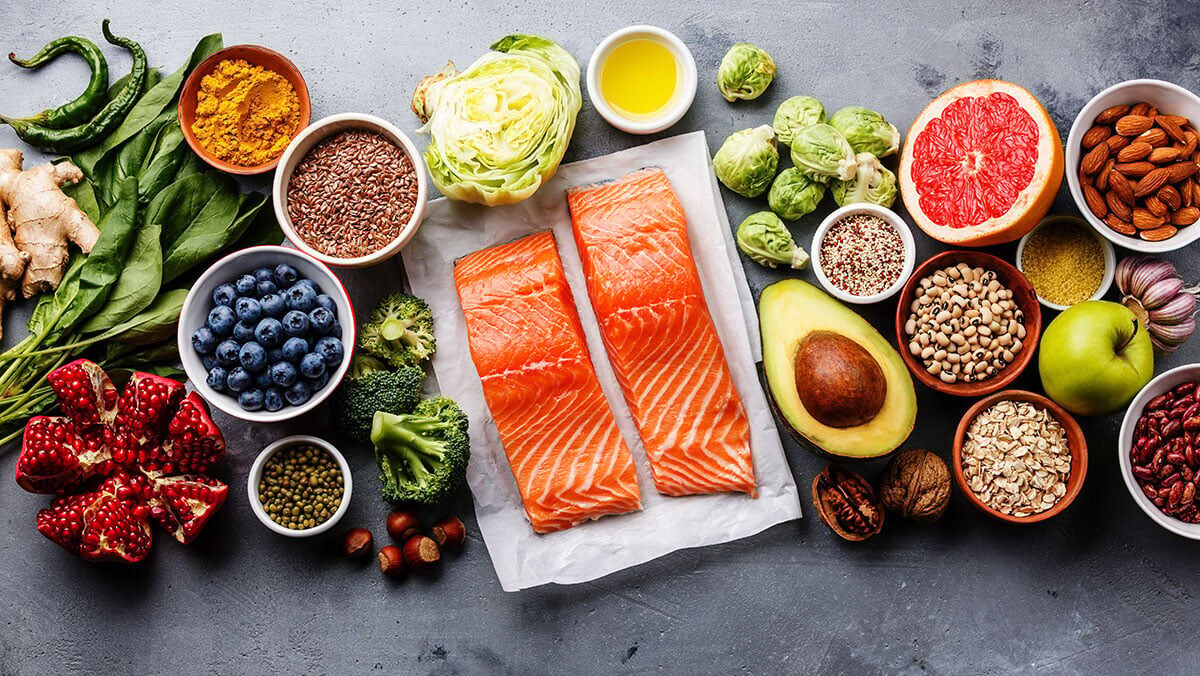
Introduction
Inflammation is a natural and essential process in the human body. It plays a crucial role in healing, immune defense, and recovery from injury or illness. However, when inflammation becomes chronic, it can quietly undermine physical health, mental well-being, and overall fitness. In modern lifestyles—marked by processed foods, chronic stress, lack of sleep, and sedentary habits—chronic inflammation has become increasingly common.
Holistic fitness goes beyond exercise alone. It considers nutrition, movement, recovery, mental health, and lifestyle habits as interconnected systems. Anti-inflammatory diets are a cornerstone of this approach, helping the body heal efficiently, perform optimally, and maintain long-term health. Understanding inflammation is the first step toward making informed dietary and lifestyle choices that support whole-body wellness.
Understanding Inflammation in the Body
Inflammation is the body’s biological response to perceived threats, such as injury, infection, or toxins. When tissues are damaged, the immune system releases inflammatory cells and chemicals to protect and repair the affected area.
Common signs of inflammation include:
- Redness
- Swelling
- Heat
- Pain
- Loss of function
This response is controlled by the immune system and is meant to be short-term and protective. In a healthy body, inflammation resolves once healing is complete. Problems arise when inflammation lingers beyond its useful purpose.
Acute vs. Chronic Inflammation
Understanding the difference between acute and chronic inflammation is essential for holistic fitness.
Acute inflammation is:
- Short-term and localized
- Triggered by injury, infection, or exercise
- Necessary for healing and muscle repair
Examples include muscle soreness after a workout or swelling from a minor injury.
Chronic inflammation is:
- Long-lasting and often low-grade
- Triggered by lifestyle factors, stress, and poor diet
- Harmful when left unchecked
Chronic inflammation has been linked to conditions such as heart disease, arthritis, obesity, diabetes, autoimmune disorders, digestive issues, and mental health challenges. Unlike acute inflammation, it can persist silently, damaging tissues over time.
Why Inflammation Matters for Holistic Fitness
In holistic fitness, the goal is not just performance but sustainable health and resilience. Chronic inflammation can interfere with this by:
- Slowing muscle recovery and increasing injury risk
- Causing joint stiffness and pain
- Reducing energy levels and endurance
- Disrupting sleep quality
- Affecting mood, focus, and motivation
An anti-inflammatory approach to nutrition and lifestyle supports faster recovery, improved mobility, better mental clarity, and overall vitality. By managing inflammation, the body can function more efficiently across physical, mental, and emotional dimensions.
Chapter 1: The Science of Inflammation
To effectively manage inflammation, it’s important to understand how it works on a biological level. Inflammation is not inherently bad—it becomes problematic only when the body’s regulatory systems are overwhelmed or constantly activated.
What Causes Inflammation?
Inflammation can be triggered by a variety of internal and external factors, including:
- Physical injury: Sprains, strains, and trauma activate inflammatory pathways.
- Infections: Bacteria, viruses, and fungi stimulate immune responses.
- Poor diet: Highly processed foods, refined sugars, and trans fats promote inflammatory reactions.
- Chronic stress: Prolonged stress increases cortisol imbalance and inflammatory markers.
- Lack of sleep: Sleep deprivation disrupts immune regulation.
- Sedentary lifestyle or overtraining: Both inactivity and excessive training without recovery can increase inflammation.
- Environmental toxins: Pollution, smoking, and chemicals place stress on the immune system.
These triggers can interact, compounding inflammatory responses over time.
Inflammation and the Immune System
The immune system is the body’s defense network, and inflammation is one of its primary tools. When the immune system detects danger, it releases signaling molecules such as cytokines and prostaglandins that initiate inflammation.
In a healthy state:
- The immune system activates inflammation when needed
- Healing occurs
- Inflammatory signals are switched off
In chronic inflammation:
- The immune system remains in a constant state of alert
- Inflammatory markers stay elevated
- Tissues and organs experience long-term stress
This dysregulation can weaken immunity over time, paradoxically increasing susceptibility to illness while promoting chronic disease.
How Lifestyle and Diet Influence Inflammatory Responses
Lifestyle choices have a profound impact on how the body regulates inflammation.
Dietary influences:
- Diets rich in fruits, vegetables, healthy fats, and whole foods provide antioxidants and polyphenols that reduce inflammation.
- Omega-3 fatty acids help balance inflammatory signaling.
- Excess sugar, refined carbohydrates, and ultra-processed foods increase inflammatory markers.
Lifestyle factors:
- Regular, moderate exercise helps regulate immune responses.
- Quality sleep supports immune recovery and hormonal balance.
- Stress management practices like meditation, breathwork, and yoga reduce inflammatory load.
- Social connection and mental well-being also play protective roles.
When diet and lifestyle work together, the body maintains a healthier inflammatory balance, supporting optimal fitness, recovery, and longevity.
Closing Perspective
Inflammation is not the enemy—it is a signal. When understood and managed correctly, it becomes a guide toward better health. Anti-inflammatory diets, combined with mindful lifestyle habits, create a foundation for holistic fitness that supports strength, mobility, mental clarity, and long-term well-being
Chapter 2: What Is an Anti-Inflammatory Diet?
An anti-inflammatory diet is not a strict meal plan or a temporary “detox.” Instead, it is a long-term eating approach designed to reduce chronic inflammation, support immune balance, and promote overall physical and mental well-being. It focuses on whole, nutrient-dense foods that help the body heal while minimizing foods that trigger inflammatory responses.
Rather than counting calories or eliminating entire food groups, anti-inflammatory eating emphasizes food quality, balance, and consistency, making it sustainable and adaptable for different lifestyles.
Core Principles of Anti-Inflammatory Eating
Anti-inflammatory diets share several foundational principles:
- Whole Foods First
- Emphasizes minimally processed foods
- Prioritizes natural ingredients over packaged products
- Nutrient Density
- Focuses on vitamins, minerals, antioxidants, and phytonutrients
- Supports cellular repair and immune regulation
- Healthy Fats Over Harmful Fats
- Encourages omega-3s and monounsaturated fats
- Limits trans fats and excess omega-6 oils
- Balanced Blood Sugar
- Includes fiber-rich carbohydrates and protein to prevent spikes
- Reduces refined sugars and white flour products
- Gut Health Support
- Promotes foods that nourish beneficial gut bacteria
- Supports digestion and immune balance
- Sustainability and Enjoyment
- Flexible, culturally adaptable, and enjoyable
- Encourages mindful eating rather than restriction
These principles help the body maintain a healthier inflammatory response while supporting long-term fitness and vitality.
Anti-Inflammatory vs. Standard Western Diet
The standard Western diet often promotes chronic inflammation due to its heavy reliance on processed foods and excess sugar.
Anti-Inflammatory Diet:
- Rich in fruits, vegetables, whole grains, and healthy fats
- Emphasizes home-cooked, minimally processed meals
- Supports stable energy, recovery, and mental clarity
Standard Western Diet:
- High in refined carbohydrates, added sugars, and processed meats
- Heavy reliance on fast food and packaged snacks
- Linked to inflammation, fatigue, and chronic disease
While the Western diet prioritizes convenience, the anti-inflammatory diet prioritizes long-term health and functional fitness.
Myths and Misconceptions About Inflammation
Myth 1: All inflammation is bad
Inflammation is essential for healing and immune defense. The problem is chronic, unresolved inflammation.
Myth 2: Anti-inflammatory diets require expensive superfoods
Everyday foods like leafy greens, lentils, turmeric, garlic, and olive oil are powerful anti-inflammatory tools.
Myth 3: One food can “cure” inflammation
No single food works alone. The overall dietary pattern matters most.
Myth 4: You must eliminate entire food groups
Balance and moderation are more effective than extreme restriction.
Chapter 3: Key Anti-Inflammatory Foods
Anti-inflammatory foods provide nutrients that reduce oxidative stress, regulate immune responses, and support recovery from physical activity.
Fruits and Vegetables: Color and Phytonutrients
Colorful plant foods are rich in phytonutrients—natural compounds that protect cells from inflammation.
- Red foods: Tomatoes, strawberries, cherries – support heart health
- Orange/yellow foods: Carrots, sweet potatoes – rich in beta-carotene
- Green foods: Spinach, broccoli, kale – detoxification and immune support
- Blue/purple foods: Blueberries, eggplant – powerful antioxidants
Aim for a “rainbow on your plate” to maximize anti-inflammatory benefits.
Healthy Fats: Omega-3s and Monounsaturated Fats
Healthy fats are essential for controlling inflammation and supporting joint, heart, and brain health.
Omega-3 sources:
- Fatty fish (salmon, sardines, mackerel)
- Chia seeds and flaxseeds
- Walnuts
Monounsaturated fats:
- Extra virgin olive oil
- Avocados
- Nuts and seeds
These fats help counterbalance pro-inflammatory fats commonly found in processed foods.
Whole Grains and Fiber-Rich Foods
Fiber plays a crucial role in reducing inflammation by supporting gut health and regulating blood sugar.
- Oats
- Brown rice
- Quinoa
- Barley
- Lentils and beans
Fiber feeds beneficial gut bacteria, which in turn help regulate immune responses and inflammation levels.
Herbs, Spices, and Natural Anti-Inflammatories
Herbs and spices are some of the most potent anti-inflammatory foods per gram.
- Turmeric: Contains curcumin, a powerful anti-inflammatory compound
- Ginger: Supports digestion and reduces muscle soreness
- Garlic: Enhances immune function
- Cinnamon: Helps stabilize blood sugar
- Green tea: Rich in polyphenols that reduce oxidative stress
Incorporating these into daily meals is an easy and flavorful way to reduce inflammation.
Lean Proteins and Plant-Based Options
Protein supports muscle repair and immune function, especially for active individuals.
Lean animal proteins:
- Fish and seafood
- Skinless poultry
- Eggs
Plant-based proteins:
- Lentils and chickpeas
- Tofu and tempeh
- Nuts and seeds
Choosing lean, high-quality protein sources helps minimize inflammation while supporting strength and recovery.
Chapter Takeaway
An anti-inflammatory diet is not about restriction—it’s about nourishment. By focusing on whole foods, healthy fats, fiber-rich carbohydrates, and natural anti-inflammatory compounds, you create a dietary pattern that supports holistic fitness, resilience, and long-term health.
Chapter 4: Foods That Promote Inflammation
While adding anti-inflammatory foods is essential, reducing or limiting foods that promote chronic inflammation is equally important. These foods overstimulate the immune system, disrupt gut health, and interfere with recovery and overall fitness.
The goal is not perfection or total elimination, but awareness and moderation.
Refined Sugars and Processed Foods
Refined sugars and ultra-processed foods are among the strongest dietary contributors to chronic inflammation.
How they promote inflammation:
- Cause rapid blood sugar spikes and crashes
- Increase insulin resistance
- Elevate inflammatory markers such as C-reactive protein (CRP)
- Disrupt gut microbiome balance
Common sources:
- Sugary drinks and sodas
- Packaged snacks and desserts
- White bread, pastries, and breakfast cereals
- Sweetened sauces and condiments
For holistic fitness, stabilizing blood sugar through whole foods supports energy, recovery, and mental clarity.
Trans Fats and Excess Omega-6 Fats
Not all fats are harmful, but certain types significantly increase inflammation.
Trans fats:
- Found in hydrogenated oils, margarine, and many fried foods
- Strongly linked to heart disease and systemic inflammation
Excess omega-6 fats:
- Found in refined vegetable oils (corn, soybean, sunflower oils)
- Necessary in small amounts but inflammatory when consumed in excess
A high omega-6 to omega-3 ratio disrupts inflammatory balance and affects joint and cardiovascular health.
Artificial Additives and Preservatives
Many artificial ingredients place stress on the immune and digestive systems.
Common inflammatory additives:
- Artificial sweeteners
- Food colorings
- Flavor enhancers (such as MSG)
- Preservatives like nitrates and sulfites
These compounds may disrupt gut integrity, contribute to inflammation, and trigger sensitivities in some individuals.
Excessive Alcohol and High-Sodium Foods
Alcohol and sodium can negatively affect inflammation when consumed in excess.
Alcohol:
- Increases gut permeability (“leaky gut”)
- Promotes oxidative stress
- Interferes with muscle recovery and sleep quality
High-sodium foods:
- Processed meats and canned soups
- Fast foods and salty snacks
- Packaged sauces and seasoning mixes
Excess sodium contributes to fluid imbalance, increased blood pressure, and inflammatory stress on the body.
Chapter 4 Takeaway
Reducing inflammatory foods helps create an internal environment where the body can heal, recover, and perform optimally. Small changes—such as reading labels, cooking at home, and choosing whole foods—can significantly lower inflammatory burden over time.
Chapter 5: Anti-Inflammatory Diets and Physical Fitness
Nutrition directly affects how the body responds to exercise, recovers from workouts, and adapts to training. Anti-inflammatory diets play a crucial role in supporting strength, endurance, mobility, and long-term fitness sustainability.
Supporting Muscle Recovery and Repair
Exercise causes micro-damage to muscle fibers, which triggers inflammation necessary for growth and adaptation. However, excessive or prolonged inflammation can delay recovery.
Anti-inflammatory nutrition supports recovery by:
- Providing antioxidants that reduce oxidative stress
- Supplying protein for muscle repair
- Supporting cellular healing and tissue regeneration
Foods like berries, leafy greens, fatty fish, and legumes help reduce soreness and speed recovery.
Reducing Exercise-Induced Inflammation
Intense or frequent training can lead to elevated inflammation if recovery is inadequate.
Dietary strategies to reduce exercise-induced inflammation:
- Consuming omega-3-rich foods post-workout
- Pairing carbohydrates with protein for muscle glycogen replenishment
- Staying hydrated to reduce metabolic stress
- Including spices like turmeric and ginger in meals
These strategies help prevent overtraining, burnout, and injury.
Improving Joint Health and Mobility
Chronic inflammation can lead to joint stiffness, discomfort, and reduced range of motion.
Anti-inflammatory foods support joint health by:
- Reducing cartilage degradation
- Supporting collagen synthesis
- Enhancing lubrication of joints
Omega-3 fats, collagen-rich foods, vitamin C, and antioxidants improve joint resilience and mobility, especially for aging adults and athletes.
Enhancing Energy and Endurance
Inflammation can impair energy production and oxygen utilization, leading to fatigue.
Anti-inflammatory diets enhance endurance by:
- Stabilizing blood sugar levels
- Improving mitochondrial function
- Supporting cardiovascular health
- Enhancing oxygen delivery to muscles
Whole grains, healthy fats, fruits, and vegetables provide sustained energy without inflammatory spikes.
Chapter 5 Takeaway
An anti-inflammatory diet is a powerful ally in physical fitness. By reducing unnecessary inflammation, the body recovers faster, moves more freely, and performs more efficiently. This approach supports long-term progress, injury prevention, and holistic well-being rather than short-term performance alone.
Chapter 6: Mental Health, Stress, and Inflammation
Mental health, stress, and inflammation are deeply interconnected. Chronic psychological stress can trigger inflammatory responses, while ongoing inflammation can negatively affect mood, cognition, and emotional balance. Understanding this relationship is essential for holistic fitness, which treats mind and body as one integrated system.
The Gut–Brain–Inflammation Connection
The gut and brain communicate constantly through the gut–brain axis, a complex network involving nerves, hormones, and immune signaling. A large portion of the immune system and neurotransmitters such as serotonin are influenced by gut health.
How the connection works:
- Poor diet disrupts gut bacteria balance
- Imbalanced gut microbes trigger inflammatory signals
- Inflammation affects brain chemistry and emotional regulation
A healthy gut microbiome helps reduce systemic inflammation, support neurotransmitter production, and enhance stress resilience.
How Anti-Inflammatory Eating Supports Mood and Focus
Food provides the building blocks for brain function. Anti-inflammatory diets support mental health by nourishing the nervous system and reducing oxidative stress.
Key benefits include:
- Improved mood stability: Omega-3 fats support serotonin and dopamine function
- Reduced anxiety: Stable blood sugar levels prevent mood swings
- Enhanced focus: Antioxidants protect brain cells and support cognitive performance
- Mental clarity: Reduced inflammation improves brain signaling efficiency
Nutrient-dense foods help maintain emotional balance, motivation, and mental energy throughout the day.
Diet, Sleep, and Stress Management
Sleep, stress, and diet form a feedback loop that strongly influences inflammation.
Sleep:
- Poor sleep increases inflammatory markers
- Inflammation disrupts sleep quality
- Anti-inflammatory foods support melatonin production and circadian rhythm balance
Stress:
- Chronic stress elevates cortisol and inflammation
- Mindful eating and stable blood sugar reduce stress response
Combining anti-inflammatory nutrition with quality sleep and stress management practices such as meditation or breathwork enhances mental resilience and emotional well-being.
Chapter 6 Takeaway
Reducing inflammation through nutrition supports not only physical health but also mental clarity, emotional balance, and stress resilience—key components of holistic fitness.
Chapter 7: Integrating Anti-Inflammatory Eating Into Daily Life
An anti-inflammatory diet is most effective when it fits seamlessly into everyday routines. Sustainability comes from practical choices, flexibility, and enjoyment—not perfection.
Meal Planning and Grocery Shopping Tips
Planning ahead helps maintain consistency and reduce reliance on processed foods.
Smart strategies include:
- Create weekly meal plans focused on whole foods
- Shop the perimeter of grocery stores for fresh produce
- Read ingredient labels and avoid excessive additives
- Stock staples like olive oil, lentils, frozen vegetables, and spices
Meal planning saves time, money, and decision fatigue while supporting healthier choices.
Building Balanced Anti-Inflammatory Meals
A simple formula helps create anti-inflammatory meals:
- Half the plate: Colorful vegetables and fruits
- One-quarter: Lean protein or plant-based protein
- One-quarter: Whole grains or fiber-rich carbohydrates
- Healthy fats: Olive oil, nuts, seeds, or avocado
This balance stabilizes blood sugar, supports digestion, and reduces inflammation.
Eating Out Mindfully
Eating out doesn’t have to derail an anti-inflammatory lifestyle.
Tips for dining out:
- Choose grilled, baked, or steamed options
- Request sauces and dressings on the side
- Add vegetables whenever possible
- Practice portion awareness without guilt
Mindful choices allow flexibility while staying aligned with health goals.
Sustainable Long-Term Nutrition Habits
Sustainability is the foundation of holistic nutrition.
Key habits for long-term success:
- Focus on progress, not perfection
- Allow flexibility for social events and cultural foods
- Tune into hunger and fullness cues
- View nutrition as nourishment, not restriction
An anti-inflammatory diet should enhance your quality of life, not limit it.
Final Reflection
Integrating anti-inflammatory eating into daily life creates a powerful foundation for mental clarity, emotional balance, physical recovery, and long-term vitality. When combined with mindful movement, quality sleep, and stress management, it supports true holistic fitness—one that is resilient, sustainable, and deeply nourishing.
Frequently Asked Questions
Even beginners and experienced practitioners often have questions about anti-inflammatory diets. Here are answers to some of the most common concerns:
How Quickly Can an Anti-Inflammatory Diet Work?
Results vary depending on your current health, lifestyle, and level of chronic inflammation.
Typical timelines:
- Immediate effects (1–2 days): Improved digestion, more stable energy levels, and reduced bloating
- Short-term (2–4 weeks): Noticeable reduction in fatigue, minor joint stiffness relief, better mood and focus
- Long-term (3–6 months and beyond): Sustained improvements in chronic inflammation markers, weight management, reduced risk of lifestyle-related illnesses, and improved recovery from workouts
Consistency is more important than perfection. Gradual, sustained changes often produce the most meaningful and lasting results.
Can It Help With Chronic Pain or Autoimmune Conditions?
Yes, an anti-inflammatory diet can support pain reduction and immune regulation, though it is not a cure.
How it helps:
- Reduces systemic inflammation that can exacerbate joint pain or autoimmune flare-ups
- Supports gut health, which is linked to immune system function
- Provides nutrients that help tissue repair and antioxidant defense
It is recommended to combine anti-inflammatory nutrition with medical guidance, physical therapy, and lifestyle strategies for optimal results.
Is It Suitable for Weight Loss?
An anti-inflammatory diet can support weight management naturally because:
- It emphasizes whole foods over processed, calorie-dense foods
- Stabilizes blood sugar and reduces cravings
- Encourages nutrient-rich, satisfying meals
While weight loss may occur, the focus is on reducing inflammation, improving metabolic health, and supporting overall wellness, rather than extreme calorie restriction.
Do Supplements Replace Anti-Inflammatory Foods?
Supplements can support your diet but cannot replace real, whole foods.
Why whole foods matter:
- Whole foods provide a complex combination of vitamins, minerals, fiber, antioxidants, and phytonutrients that supplements often cannot replicate
- Bioavailability is higher in food than in most supplement forms
- Supplements should complement a balanced diet, not act as a shortcut
A diet rich in fruits, vegetables, whole grains, healthy fats, and lean proteins is the foundation—supplements only fill small gaps as needed.
Conclusion
An anti-inflammatory diet is more than a temporary nutrition plan—it is a cornerstone of holistic fitness. When combined with movement, stress management, and quality sleep, it supports both body and mind, enabling you to thrive long-term.
Food as a Foundation of Holistic Fitness
Nutrition fuels every aspect of fitness:
- Muscles repair and grow more effectively
- Joints and connective tissues remain healthy
- Energy and endurance are optimized
- Cognitive function and emotional well-being are enhanced
Eating anti-inflammatory foods allows the body to recover, perform, and adapt while minimizing unnecessary stress and inflammation.
Long-Term Benefits of Reducing Inflammation
The benefits go far beyond the gym or diet scale:
- Physical health: Lower risk of chronic disease, improved heart and joint health, better recovery from exercise
- Mental health: Improved mood, focus, and stress resilience
- Longevity: Reduced oxidative stress and inflammation support healthy aging
By addressing inflammation, you create a resilient, high-functioning body and mind that can sustain holistic fitness and vitality for years.
Creating a Personalized Anti-Inflammatory Lifestyle
Personalization is key. Factors like activity level, dietary preferences, health conditions, and lifestyle habits should guide your plan.
Steps to personalize:
- Identify inflammation triggers in your current diet
- Prioritize nutrient-dense, anti-inflammatory foods
- Adjust portion sizes and meal timing based on energy needs
- Combine diet with movement, stress reduction, and quality sleep
- Track progress and adapt as your body responds
A tailored approach ensures sustainability, enjoyment, and real-life results.
Resources and References
Building knowledge and tools helps you maintain an anti-inflammatory lifestyle effectively.
Recommended Books and Nutrition Guides
- Anti-Inflammatory Eating Made Easy by Michelle Babb
- The Anti-Inflammation Diet and Recipe Book by Jessica Black
- How Not to Die by Michael Greger – Science-based nutritional guidance
- The Complete Anti-Inflammatory Diet for Beginners – Practical recipes and meal plans
Scientific Research on Diet and Inflammation
- Studies link diets high in fruits, vegetables, whole grains, and omega-3s to lower inflammatory markers (e.g., CRP, interleukins).
- Research shows that reducing processed foods, refined sugars, and trans fats can improve cardiovascular health, joint function, and metabolic markers.
- Gut microbiome research highlights the role of fiber-rich and polyphenol-rich foods in immune regulation and mood improvement.
Reliable sources include PubMed, Harvard Health Publishing, and peer-reviewed journals on nutrition and inflammation.
Meal Planning Tools and Apps
- Mealime: Customizable anti-inflammatory meal plans and grocery lists
- Yummly: Recipes filtered by anti-inflammatory ingredients
- MyFitnessPal: Track nutrients, meals, and progress
- Eat This Much: Automated meal planner supporting whole-food anti-inflammatory diets
These tools make it easier to implement anti-inflammatory principles consistently.
Final Reflection
An anti-inflammatory diet is empowering, practical, and sustainable. By focusing on whole foods, mindful eating, and supportive lifestyle habits, you can reduce inflammation, boost performance, and enhance long-term health.
Remember: the journey is gradual. Small, consistent changes—rather than drastic extremes—create the most profound and lasting impact on your body, mind, and overall fitness.