 By Daily Fitness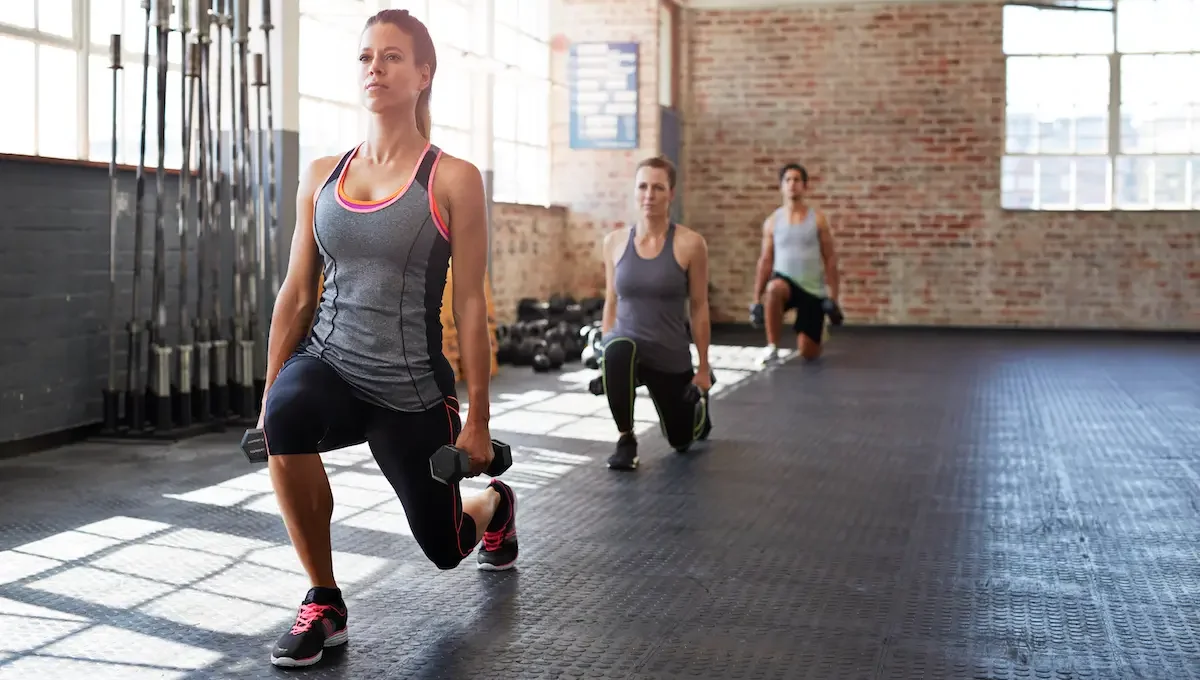
Introduction
In today’s fast-paced world, many people struggle to find time for long workout sessions. Busy schedules, family responsibilities, work demands, and daily stress often make fitness feel like a luxury rather than a necessity. However, the truth is that you don’t need hours in the gym to build strength, improve health, and feel more energized. Short, focused workouts—especially those lasting just 15 minutes—can be incredibly effective when performed consistently and with proper intensity.
A 15-minute daily strength workout offers a practical and accessible solution for people who want to stay active without overwhelming their schedules. These workouts can be done almost anywhere—at home, in a hotel room, outdoors, or even in a small office space—without requiring expensive equipment or gym memberships. The simplicity and convenience make it easier to maintain consistency, which is the most important factor in long-term fitness success.
This guide is designed to help you understand how short strength workouts work, why they are beneficial, and how you can use them to improve your physical fitness, energy levels, and overall well-being. Whether you are a beginner starting your fitness journey or someone looking to maintain strength with limited time, this approach can fit seamlessly into your daily routine.
Why Short Workouts Can Be Effective
One of the biggest misconceptions about fitness is that longer workouts always produce better results. While extended training sessions can be beneficial for athletes or specialized goals, research and real-world experience show that short workouts can be highly effective when done correctly.
Short workouts work because they focus on efficiency. Instead of spending time on unnecessary exercises or long rest periods, a 15-minute workout emphasizes compound movements—exercises that target multiple muscle groups at the same time. Movements like squats, push-ups, lunges, and planks engage several muscles simultaneously, allowing you to build strength quickly and efficiently.
Another reason short workouts are effective is intensity. When you know you only have 15 minutes, you’re more likely to stay focused and maintain a higher level of effort throughout the session. This increased intensity can stimulate muscle growth, improve cardiovascular health, and boost metabolism.
Short workouts also reduce mental resistance. It is easier to commit to “just 15 minutes” than to a one-hour gym session. This psychological advantage makes it more likely that you will exercise consistently, which ultimately leads to better long-term results than occasional long workouts.
Additionally, short strength workouts can increase daily movement levels. Instead of being sedentary for most of the day, a brief workout helps activate muscles, improve circulation, and enhance energy levels, making you feel more productive and alert throughout the day.
Benefits of Daily Strength Training
Daily strength training offers a wide range of physical, mental, and lifestyle benefits that go far beyond muscle building.
One of the most noticeable benefits is improved muscle tone and strength. Regular resistance exercises stimulate muscle fibers, making them stronger and more resilient. This not only improves physical appearance but also enhances functional ability in daily tasks such as lifting objects, climbing stairs, or carrying groceries.
Strength training also supports metabolism and weight management. Muscle tissue burns more calories than fat tissue, even at rest. By building and maintaining muscle mass, your body becomes more efficient at burning energy, which can help with fat loss and long-term weight control.
Another major benefit is improved bone health. Resistance exercises place stress on bones, encouraging them to become denser and stronger. This reduces the risk of osteoporosis and fractures, especially as you age.
Daily strength workouts also contribute to better joint stability and injury prevention. Strengthening muscles around joints improves alignment and support, reducing the likelihood of strains, sprains, and chronic pain.
Mental health benefits are equally important. Strength training has been shown to reduce stress, anxiety, and symptoms of depression. Physical activity releases endorphins—often called “feel-good hormones”—which improve mood and mental clarity. Many people also experience increased confidence and self-esteem as they notice physical improvements and achieve fitness goals.
Energy levels often improve with regular exercise as well. Although it may seem counterintuitive, expending energy through workouts actually enhances overall stamina by improving cardiovascular efficiency and oxygen delivery throughout the body.
Who This Workout Is For
A 15-minute daily strength workout is suitable for a wide range of individuals, regardless of age or fitness level.
It is ideal for beginners who want to start exercising without feeling overwhelmed. Short sessions provide an approachable entry point into fitness while still delivering meaningful benefits.
Busy professionals and parents can also benefit greatly from quick workouts. When time is limited, having an efficient routine removes one of the biggest barriers to staying active.
Travelers or individuals without access to a gym will find bodyweight workouts especially useful because they require minimal space and no equipment.
Older adults can also benefit from short strength sessions, as maintaining muscle mass and balance becomes increasingly important with age. Modifications can be made to suit individual mobility levels and physical conditions.
Even experienced fitness enthusiasts can use 15-minute workouts as maintenance routines, recovery-day sessions, or supplements to more intense training programs.
Ultimately, this workout approach is for anyone who wants to improve strength, health, and energy without dedicating large amounts of time to exercise.
Chapter 1: Understanding Strength Training Basics
Before starting any workout routine, it is important to understand the basic principles of strength training. Knowing how muscles work, how resistance creates adaptation, and why consistency matters will help you exercise more effectively and safely.
Strength training involves applying resistance to muscles, causing small amounts of stress or micro-tears in muscle fibers. During recovery, the body repairs these fibers, making them stronger and more resilient. Over time, repeated resistance training leads to increased strength, endurance, and muscle tone.
Understanding proper form, movement patterns, and recovery needs is essential to prevent injuries and maximize results. Strength training does not necessarily require heavy weights; bodyweight exercises alone can provide significant resistance when performed correctly.
What Is Functional Strength?
Functional strength refers to the ability to perform everyday activities efficiently and safely. Instead of focusing only on isolated muscles, functional training emphasizes movements that mimic real-life actions such as bending, lifting, pushing, pulling, twisting, and stabilizing.
For example, a squat strengthens the muscles used when sitting down or standing up. A lunge improves balance and coordination needed for walking or climbing stairs. Push-ups enhance upper-body strength required for pushing doors or lifting objects.
Functional strength training improves coordination between muscles and joints, enhancing overall movement quality. It also strengthens stabilizing muscles, which are often neglected in traditional gym workouts but are essential for balance and injury prevention.
This approach is especially valuable for people of all ages because it directly improves quality of life and independence.
Bodyweight Training vs. Weights
Both bodyweight exercises and weight training can effectively build strength, but they have different advantages.
Bodyweight training uses your own body as resistance. Exercises like push-ups, squats, planks, and lunges require no equipment, making them convenient and accessible. They also improve coordination and core stability because multiple muscle groups must work together to control movement.
Weight training, on the other hand, allows for precise resistance adjustments and progressive overload by increasing weight over time. This can be beneficial for advanced strength development and muscle growth.
For beginners and people doing short daily workouts, bodyweight training is often the most practical option. It reduces the risk of injury, requires minimal setup, and can still provide excellent strength benefits when intensity is increased through variations or tempo changes.
Many effective fitness programs combine both approaches, but bodyweight training alone is more than sufficient for maintaining health and functional strength.
The Importance of Consistency Over Duration
One of the most important principles in fitness is consistency. Performing short workouts regularly is far more beneficial than doing long workouts occasionally.
The body adapts to repeated stimuli. When you exercise daily—even for just 15 minutes—you create a consistent signal for muscles to grow stronger, for metabolism to improve, and for cardiovascular health to develop.
Consistency also builds habits. When exercise becomes part of your daily routine, it requires less motivation and mental effort. Over time, it feels natural rather than forced.
Short workouts are easier to sustain long term because they fit into busy schedules and create less fatigue. This reduces the risk of burnout and increases adherence, which is the key to lasting results.
Remember, fitness is not about perfection—it is about persistence. Small daily efforts accumulate into significant improvements over weeks, months, and years.
Chapter 2: Preparing for Your 15-Minute Workout
Preparation is a crucial part of any exercise routine, even when the workout is short. Spending a few minutes getting your body ready can improve performance, reduce injury risk, and help you get more benefits from each session. When your muscles are warm and your mind is focused, movements feel easier and more controlled, allowing you to exercise with better form and confidence.
A well-prepared workout environment also helps you stay consistent. When you remove barriers such as clutter, distractions, or discomfort, you are more likely to complete your session and enjoy the experience.
Warming Up Properly in 2–3 Minutes
A warm-up does not need to be long to be effective. Even two to three minutes of light movement can increase blood flow to muscles, raise your heart rate slightly, and prepare your joints for exercise. Warming up improves flexibility, coordination, and reaction time, which reduces the likelihood of strains or injuries.
A quick warm-up should focus on dynamic movements rather than static stretching. Dynamic exercises gently move your joints through their range of motion while activating major muscle groups.
Examples of a 2–3 minute warm-up include:
- Marching or jogging in place
- Arm circles and shoulder rolls
- Bodyweight squats
- Hip circles
- Light lunges
- Torso twists
- High knees or heel taps
The goal is to feel slightly warmer and more energized, not fatigued. If you notice stiffness in a specific area, spend a few extra seconds mobilizing that joint.
Choosing Your Workout Space
One of the biggest advantages of a 15-minute workout is flexibility—you can do it almost anywhere. However, choosing the right space improves comfort, safety, and focus.
Look for an area with enough room to move freely in all directions without hitting furniture or walls. A space large enough for you to lie down and extend your arms is usually sufficient. Good ventilation and lighting can also improve your experience, helping you feel more awake and motivated.
If possible, use a non-slip surface such as a yoga mat, carpet, or exercise mat. This provides cushioning for joints during movements like planks or lunges and prevents slipping during dynamic exercises.
Try to minimize distractions. Turning off notifications, lowering noise levels, or playing calming or motivating music can help you stay mentally engaged throughout the session.
Consistency in location can also build habit strength. When you repeatedly exercise in the same place, your brain begins to associate that environment with physical activity, making it easier to start your workouts.
Safety Tips to Prevent Injury
Safety should always be a priority, regardless of workout duration. Even short sessions can cause discomfort or injury if performed incorrectly.
First, focus on proper form rather than speed. Controlled movements activate muscles more effectively and protect joints. If you are unsure about technique, start slowly and use a mirror or recording to check your posture.
Second, listen to your body. Mild muscle fatigue is normal, but sharp pain, dizziness, or joint discomfort are warning signs to stop or modify the exercise. Pushing through pain increases the risk of injury and delays progress.
Third, wear comfortable clothing that allows free movement. Supportive footwear can help during standing exercises, although many bodyweight workouts can also be done barefoot on a safe surface.
Hydration is another important factor. Drinking water before and after your workout helps maintain performance and recovery, especially in warm environments.
If you have medical conditions, injuries, or long periods of inactivity, consider consulting a healthcare professional before starting a new exercise routine.
Chapter 3: The 15-Minute Full-Body Workout Plan
A full-body workout targets major muscle groups in one session, making it ideal for short routines. By combining lower body, upper body, core, and cardio-strength movements, you can build strength, improve endurance, and increase heart rate efficiently.
The structure of a 15-minute workout typically includes:
- 2–3 minutes warm-up
- 10–12 minutes main exercises
- 2–3 minutes cool-down
You can perform exercises in circuits, completing one movement after another with minimal rest. This keeps intensity high and maximizes time efficiency.
Lower Body Exercises
Lower body muscles are among the largest in the body, including the quadriceps, hamstrings, glutes, and calves. Strengthening these muscles improves balance, mobility, and daily function.
Common lower body exercises include:
Squats – Strengthen thighs and glutes while improving functional movement patterns.
Lunges – Enhance balance and coordination while targeting multiple leg muscles.
Glute Bridges – Activate the glutes and support lower back stability.
Calf Raises – Strengthen lower legs and improve ankle stability.
These exercises support everyday movements such as walking, climbing stairs, and lifting objects.
Upper Body Exercises
Upper body strength improves posture, lifting ability, and joint stability. Bodyweight exercises can effectively target arms, shoulders, chest, and back.
Examples include:
Push-Ups – Strengthen chest, shoulders, arms, and core simultaneously.
Triceps Dips (using a chair or bench) – Target the back of the arms.
Pike Push-Ups – Focus on shoulder strength.
Arm Circles or Plank Shoulder Taps – Improve shoulder endurance and stability.
Upper body exercises also support better posture, reducing neck and shoulder tension from prolonged sitting.
Core Strength Exercises
The core includes abdominal muscles, lower back, and stabilizing muscles around the pelvis. A strong core improves balance, posture, and movement efficiency.
Effective core exercises include:
Plank – Builds overall core stability.
Mountain Climbers – Combine core activation with cardiovascular effort.
Bicycle Crunches – Target abdominal muscles with rotation.
Dead Bug or Bird Dog – Improve coordination and spinal stability.
Core strength reduces back pain risk and enhances performance in other exercises.
Cardio-Strength Combination Moves
Combining strength with cardiovascular movement increases heart rate while building muscle. These exercises maximize calorie burn and endurance in a short time.
Examples include:
Jump Squats or Squat Pulses
Burpees or Modified Burpees
High Knees
Step-Back Lunges with Arm Reach
Mountain Climbers
These movements improve cardiovascular health, coordination, and overall fitness efficiency.
Cool-Down and Stretching
Cooling down helps your body transition from exercise to rest. It gradually lowers heart rate, reduces muscle tension, and promotes recovery.
A short cool-down can include:
- Deep breathing
- Gentle walking in place
- Hamstring stretch
- Quadriceps stretch
- Chest and shoulder stretch
- Child’s pose or spinal twists
Stretching after exercise may improve flexibility and reduce muscle tightness. It also provides a moment to relax mentally, reinforcing the positive habit of daily movement.
A consistent 15-minute workout routine can produce meaningful improvements in strength, energy, and overall health. The key is not intensity alone, but regular practice combined with proper preparation and recovery.
Chapter 4: Modifications for Different Fitness Levels
One of the greatest advantages of a 15-minute strength workout is its flexibility. Regardless of whether you are new to exercise or already physically active, movements can be adjusted to match your fitness level. Modifying exercises ensures that workouts remain safe, effective, and appropriately challenging as your strength and endurance improve.
Progression is an important principle in fitness. The body adapts when it is gradually challenged with increased difficulty. By starting at a comfortable level and slowly advancing, you reduce injury risk while maximizing results.
Beginner Variations
Beginners often need time to develop coordination, muscle activation, and confidence. Starting with simpler variations allows the body to adapt gradually without excessive soreness or fatigue.
For beginners, the focus should be on learning proper form rather than performing many repetitions. Controlled movement builds a strong foundation for future progress.
Examples of beginner-friendly modifications include:
- Wall Push-Ups or Knee Push-Ups instead of full push-ups
- Chair Squats (sitting and standing from a chair) instead of deep squats
- Step-Back Lunges with Support using a wall or chair for balance
- Modified Plank on Knees instead of full plank
- Slow Marching in Place instead of high knees
Beginners should also allow slightly longer rest periods between exercises if needed. The goal is consistency and comfort, not exhaustion. Over time, strength and endurance naturally increase, making it easier to progress to more challenging movements.
Intermediate Progressions
Intermediate exercisers typically have some experience with bodyweight movements and can handle moderate intensity. At this stage, the goal is to increase difficulty through volume, tempo, or complexity.
Progression can include:
- Performing full push-ups instead of modified versions
- Adding pulse squats or jump squats for increased intensity
- Holding plank positions longer or adding shoulder taps
- Combining movements, such as lunge with knee drive
- Reducing rest time between exercises
Tempo changes can also create greater challenge. For example, lowering slowly during a squat increases muscle tension and improves strength without adding equipment.
Intermediate-level training builds endurance, coordination, and muscular control while preparing the body for more advanced challenges.
Advanced Challenges
Advanced individuals often require higher intensity to continue making progress. Increasing complexity, speed, or resistance keeps workouts stimulating and effective.
Advanced modifications may include:
- Plyometric movements such as jump lunges or explosive push-ups
- Single-leg exercises like pistol squat progressions or single-leg glute bridges
- Extended plank variations such as side planks with leg lifts
- Burpee combinations with push-ups and jumps
- Minimal rest circuits to maintain elevated heart rate
Advanced participants can also increase repetitions or perform multiple workout rounds within the 15-minute timeframe.
The key at this level is maintaining proper form despite increased difficulty. Even experienced exercisers benefit from focusing on movement quality rather than simply pushing intensity.
Chapter 5: Creating a Daily Workout Habit
Building a daily workout habit is often more challenging than performing the exercises themselves. Motivation can fluctuate, schedules can change, and energy levels vary from day to day. However, developing a consistent routine is the most important factor in achieving long-term fitness success.
Habits form when behaviors are repeated regularly in a predictable context. Short workouts are particularly effective for habit-building because they require less time commitment and mental resistance than longer sessions.
Scheduling Your Workouts
Choosing a consistent time for your workout increases the likelihood of success. When exercise becomes part of your daily schedule, it transitions from an optional activity to a routine behavior.
Some people prefer morning workouts because they boost energy and eliminate the risk of skipping exercise later in the day. Others find afternoon or evening sessions more practical due to work or family responsibilities.
The best time to exercise is the time you can maintain consistently. Consider your energy levels, daily responsibilities, and personal preferences when selecting your workout time.
It can also be helpful to attach your workout to an existing habit, such as exercising after waking up, after work, or before dinner. This technique, often called habit stacking, strengthens routine formation.
Staying Motivated with Short Sessions
Motivation naturally fluctuates, so relying on it alone is not sustainable. Instead, focus on creating systems that make workouts easier to start.
Short sessions reduce psychological resistance. Telling yourself you only need to exercise for 15 minutes makes it easier to begin, and once you start, you often feel motivated to continue.
Setting realistic goals also improves motivation. Instead of aiming for perfection, aim for consistency. Even completing a light workout on low-energy days maintains your habit and momentum.
Other strategies to maintain motivation include:
- Playing music or podcasts during workouts
- Exercising with a friend or family member
- Using fitness apps or timers
- Celebrating small achievements
- Reminding yourself of long-term health benefits
Motivation often increases after exercise due to improved mood and energy, reinforcing the habit over time.
Tracking Progress and Results
Tracking progress provides evidence that your efforts are working, which strengthens commitment and confidence. Progress is not limited to physical appearance; it includes strength, endurance, mood, and energy improvements.
Simple tracking methods include:
- Recording completed workouts on a calendar
- Noting repetitions or exercise duration
- Taking periodic progress photos
- Measuring strength improvements (such as more push-ups)
- Monitoring energy levels and mood
Small improvements accumulate over time. For example, holding a plank five seconds longer or completing an extra repetition is meaningful progress.
Tracking also helps identify patterns. You may notice which times of day you perform best or which exercises need additional focus.
Most importantly, tracking reinforces the mindset that fitness is a journey rather than a short-term project. Consistent effort leads to gradual but lasting change.
By nourishing beneficial gut bacteria, these foods help regulate inflammation and support mental well-being.
Chapter 6: Maximizing Results in Less Time
One of the biggest advantages of a 15-minute workout is efficiency. However, to truly benefit from short sessions, it is important to focus on quality over quantity. Maximizing results in limited time requires attention to technique, intensity, and smart exercise combinations. When performed correctly, short workouts can improve strength, endurance, mobility, and cardiovascular health simultaneously.
The key is to make every minute purposeful. Eliminating distractions, maintaining focus, and pushing yourself appropriately during exercises can produce significant improvements even in a brief session.
Proper Form and Technique
Proper form is the foundation of effective strength training. Correct technique ensures that the intended muscles are engaged while reducing stress on joints and connective tissues. Poor form not only decreases results but also increases the risk of injury.
Important principles of proper form include:
- Controlled Movement: Avoid rushing through repetitions. Slow and controlled movements activate muscles more effectively.
- Alignment: Maintain proper posture, such as keeping the spine neutral during squats or planks.
- Breathing: Exhale during effort (for example, when pushing up from a squat) and inhale during the easier phase.
- Core Engagement: Keeping the core engaged stabilizes the body and protects the lower back.
- Full Range of Motion: Moving through a complete range helps develop strength evenly and improves flexibility.
If fatigue causes form to break down, it is better to pause briefly or modify the exercise rather than continue incorrectly.
Increasing Intensity Without Equipment
You do not need weights or machines to make a workout challenging. Bodyweight exercises can be intensified in multiple ways to continue building strength and endurance.
Methods to increase intensity include:
1. Increasing Repetitions or Time
Perform more repetitions or extend the duration of each exercise interval.
2. Reducing Rest Time
Shortening rest periods between exercises keeps the heart rate elevated and increases metabolic demand.
3. Slowing Down the Tempo
Performing movements slowly, especially during the lowering phase, increases muscle tension and difficulty.
4. Adding Explosive Movements
Exercises such as jump squats or burpees increase power and cardiovascular effort.
5. Single-Limb Variations
Using one arm or one leg at a time increases the load on muscles without adding external weight.
6. Isometric Holds
Holding positions such as planks or squat holds builds muscular endurance and strength.
These techniques allow continuous progression even without equipment, ensuring long-term improvements.
Combining Strength with Mobility and Cardio
Short workouts become more effective when they integrate multiple fitness components. Combining strength training with mobility and cardiovascular exercises improves overall performance and health benefits.
Strength Training builds muscle and improves metabolism.
Mobility Work enhances flexibility, joint health, and movement efficiency.
Cardio Exercises improve heart health, endurance, and calorie burn.
Circuit-style workouts that alternate between strength and cardio movements provide both muscular and cardiovascular benefits in a short timeframe. For example, pairing squats with high knees or push-ups with mountain climbers increases intensity while saving time.
Including mobility movements such as hip openers or shoulder rotations also improves exercise performance and reduces stiffness, especially for individuals who spend long hours sitting.
Chapter 7: Frequently Asked Questions
Starting a new workout routine often brings questions and uncertainties. Understanding realistic expectations and practical solutions can help maintain motivation and consistency.
Is 15 Minutes Enough to Build Muscle?
Yes, 15 minutes can be enough to build muscle, especially for beginners or individuals returning to exercise. Muscle growth depends on progressive overload—gradually increasing the challenge placed on muscles—not solely on workout duration.
Short workouts that include compound movements, proper intensity, and consistency can stimulate muscle growth and strength improvements. Over time, as fitness levels increase, individuals may choose to extend workout duration or add resistance for continued progress.
Can I Do This Workout Every Day?
Daily workouts can be safe and effective if intensity is managed appropriately. Alternating muscle groups, varying exercises, or adjusting intensity levels helps prevent overtraining.
For example:
- Some days can focus on strength
- Other days can emphasize mobility or lighter intensity
- Rest or recovery days can include stretching or walking
Listening to your body is essential. Mild soreness is normal, but persistent fatigue or pain indicates the need for rest.
What If I Miss a Day?
Missing a workout occasionally is normal and does not erase progress. Consistency over weeks and months matters more than perfection.
If you miss a day:
- Resume your routine the next day without guilt
- Avoid doubling workouts to “make up” for missed sessions
- Focus on maintaining long-term habits
Developing a flexible mindset reduces stress and supports sustainable fitness habits.
Do I Need Equipment for Better Results?
Equipment can enhance workouts, but it is not necessary for effective strength training. Bodyweight exercises alone can improve strength, endurance, and mobility when performed correctly.
Optional equipment such as resistance bands or dumbbells can provide additional variety and progression opportunities, but many individuals achieve excellent results using only their body weight.
The most important factors are effort, consistency, and progression—not equipment availability.
Conclusion
Small Efforts, Big Results
One of the most powerful lessons in fitness is that small, consistent efforts create meaningful change. A 15-minute daily workout may seem minor, but repeated over time, it can significantly improve strength, energy, posture, and overall health.
Short workouts remove common barriers such as lack of time, motivation, or access to a gym. They demonstrate that fitness does not require perfection—only commitment and persistence.
Making Strength Training a Lifestyle
Sustainable fitness is not about temporary challenges or extreme routines. It is about integrating movement into daily life in a way that feels manageable and enjoyable.
When strength training becomes a habit, benefits extend beyond physical health. Many individuals experience improved confidence, reduced stress, better sleep, and increased mental clarity.
Viewing exercise as self-care rather than obligation helps maintain long-term consistency.
Next Steps for Progression
As your fitness improves, you may want to continue challenging yourself. Progression options include:
- Increasing workout duration gradually
- Adding resistance bands or weights
- Trying new exercise variations
- Incorporing flexibility and mobility sessions
- Setting performance goals such as more repetitions or longer holds
Tracking progress and celebrating improvements—no matter how small—reinforces motivation and commitment.
Remember, fitness is a lifelong journey. Every workout, no matter how short, is an investment in your health, strength, and well-being.